- Home
- Owning a Dog
- Why Do Some Dog Hairs Feel Like Tiny Spears in Your Feet?
Why Do Some Dog Hairs Feel Like Tiny Spears in Your Feet?
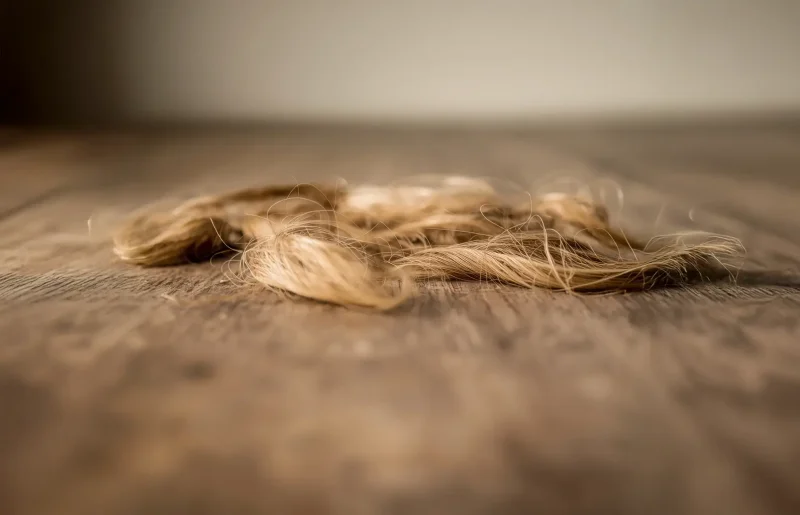
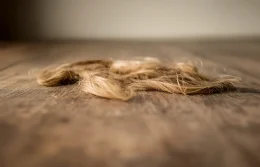
Have you ever walked across the carpet and felt a sharp little prick under your foot, only to realise it was a dog hair? It sounds ridiculous until it happens to you. But yes, a single dog hair really can behave like a tiny splinter.
At Jordan Dog Training, we hear this question surprisingly often, especially from owners of short-coated breeds. It usually comes with genuine disbelief. How can something so small hurt like that?
And did you know? Certain dog hairs are structurally stiff enough to pierce the outer layer of human skin and sit just beneath the surface, creating the same sharp sting you would expect from a fine wood splinter.
Once you understand why this happens and how to manage it, it becomes far less frustrating and much easier to live with.
What’s Actually Happening?
Not all dog hair is the same. Different breeds have different coat structures, and that changes how the hair sheds, where it lands, and how it feels underfoot.
The hairs that feel like tiny spears are usually:
- Short
- Coarse
- Firm and rigid
- Naturally tapered to a fine point
- Designed for protection rather than softness
These are commonly called guard hairs, also referred to as topcoat hairs. They form the tougher outer layer of the coat and are designed to protect the skin from things like sun, heat, dirt and rough terrain.
Instead of floating or clumping like fluff, these hairs drop into carpet fibres, fabric and upholstery like tiny bristles. They can sit upright or wedge in, and when pressure is applied, such as stepping on them, they can press into the skin.
Guard Hair and Undercoat: Why Short Coats Can Feel Worse
This becomes much easier to understand when you know the difference between coat types.
Guard hairs (topcoat hairs) are the tougher outer hairs. These are the hairs most likely to feel sharp.
Undercoat is the softer, fluffier insulating layer found in many double-coated breeds. When undercoat sheds, it tends to clump together and is usually easier to vacuum. It is annoying, but it does not usually feel like a splinter.
Many short-coated dogs shed mostly guard/topcoat hair and may have little or no true undercoat. That is why the shedding can feel more noticeable and more uncomfortable.
Which Dogs Are Most Likely to Cause “Hair Splinters”?
This is more about coat texture than breed, but it is commonly noticed in dogs with short, firm coats, including:
- Staffordshire Bull Terriers and Staffy types
- Boxers
- Bulldogs
- Cattle Dogs
- Rottweilers
- Ridgebacks
- Pointers and other short-coated working breeds
- Greyhounds with coarse coats
- Beagles
- Harrier hounds
- Foxhounds
- Many short-coated mixed breeds
If your dog’s coat feels a bit like a brush bristle when you rub your hand the wrong way, you are in this category.
Myth Busting: “Short-Haired Dogs Don’t Shed Much”
This is one of the most common misconceptions we hear.
Short-haired dogs often shed just as much as long-haired dogs. Sometimes more. The difference is how the hair behaves.
Short, stiff hairs:
- Are smaller and harder to see
- Embed deeply into carpet and fabric
- Are harder to lift with a quick vacuum
- Can feel sharp when they hit bare skin
Seasonal changes often increase shedding in spring and autumn. Indoor dogs can also seem like they shed constantly because lighting and temperature stay fairly consistent year-round.
Why Does It Hurt When It Gets Into Skin?
Even though the hair is tiny, the stiffness and pointed shape allow it to:
- Prick the outer layer of skin
- Sit just under the surface
- Cause a sharp, needle-like sensation when pressure is applied
For most people it is mild irritation. People with sensitive skin may notice it more. While it is uncomfortable, it is not dangerous.
Where These Hairs Usually Collect
These bristle-like hairs love to embed in:
- Carpets and rugs
- Lounge cushions and fabric sofas
- Bedding and dog beds
- Clothing, especially socks
- Car seats, seatbelts and boot liners
- Door mats
- Corners and skirting boards
- Laundry baskets
If it feels like they are everywhere, that is because they cling extremely well.
How to Reduce It at Home (Realistic, Practical Tips)
You cannot stop shedding completely. That is part of living with a dog. But you can absolutely reduce the “hair splinter” problem.
Brush weekly, even for short-haired dogs
This is the biggest improvement you can make.
Tools that work well:
- Rubber curry brushes
- Silicone grooming gloves
- Microfibre grooming mitts
- Short-coat shedding tools
Slicker brushes are designed for longer coats and often do very little for short-haired breeds.
Vacuum smarter, not harder
Short hairs embed, so they need agitation to lift out.
Helpful options include:
- A vacuum with a motorised head for carpet
- Upholstery attachments for lounges
- A handheld vacuum for quick resets
- A rubber broom for rugs and carpet
Wash dog bedding regularly
Dog beds collect and redistribute hair. Washing weekly or fortnightly helps reduce spread through the house.
Keep lint rollers where you actually need them
One near the couch, one by the door, and one in the car makes a real difference.
Car hair management
Cars trap short hair easily.
Simple strategies:
- Washable seat covers
- Weekly vacuuming of seats and footwells
- A slightly damp microfibre cloth to lift embedded hairs
- A lint roller in the glovebox
If one gets embedded in your foot
Usually it is simple:
- Wash the area
- Remove the hair gently with clean tweezers
- Apply antiseptic if irritated
If pain or redness persists, a pharmacist or GP can check for any remaining fragment.
When It Might Not Be Dog Hair
Sometimes the culprit is not hair at all. In Australia, grass seeds such as bindies and spear grass can also cause sharp foot pain and are often more uncomfortable.
If you are unsure, or if swelling continues, it is worth having it checked. Grass seeds can also cause issues for dogs if they lodge in paws, ears or skin.
A Quick Note on Your Dog’s Coat and Health
Normal shedding is normal. However, sudden changes such as bald patches, inflamed skin, excessive scratching or dramatic increases in shedding are worth discussing with your vet.
From a training perspective, we also see how stress and routine changes can affect the body, including the coat. Calm, predictable routines and appropriate enrichment support overall wellbeing.
How Jordan Dog Training Can Help
While shedding itself is not a training issue, we love helping owners understand what is normal for their dog and how to set up home routines that actually work.
If you are working through the bigger picture, such as settling at home, enrichment, loose lead walking, over-excitement or general manners, our friendly trainers are always here to support you.
The Jordan Dog Training online store also stocks a wide range of natural, healthy, environmentally enriching treats, including long-lasting chews that support calm downtime at home.
You can also explore the Jordan Dog Training website for a wealth of searchable blogs on common dog topics to help you feel confident as a dog owner.
Give your amazing dog a pat from us 🐾
Disclaimer
The information provided in this blog is intended as general guidance and is based on our experience as dog trainers and behaviourists. It is not veterinary advice and should not replace consultation with a qualified veterinarian. If you have any concerns about your dog’s health, wellbeing, or mobility, we always recommend speaking with your vet to ensure the best care for your dog.

Justin Jordan
Master Trainer
- In-home behaviour modification consultations
- Puppy schools
- Obedience classes
- Specialist training
- Media enquiries
- Trainer opportunities
- Supplier enquiries
- Guest appearances