- Home
- Dog Behaviour
- Puppy Biting: How to Reduce Nipping Using Calm, Positive Training
Puppy Biting: How to Reduce Nipping Using Calm, Positive Training
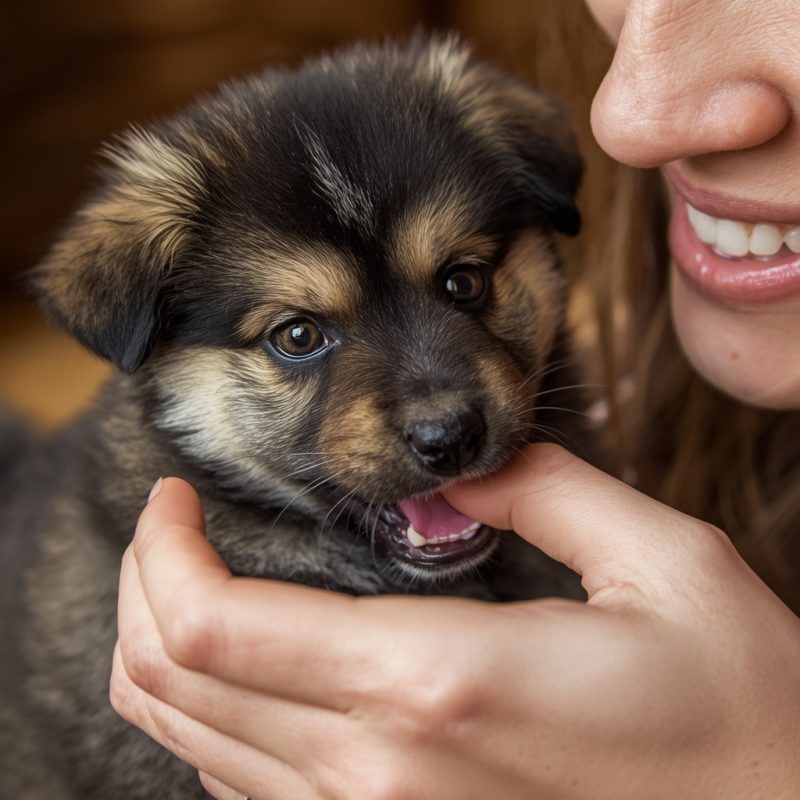
If your puppy is nipping hands, grabbing sleeves, or chasing ankles like it’s their favourite game, you’re not alone. Puppy biting can be constant, painful, and honestly exhausting.
Here’s the reassuring truth. For most puppies, biting is a normal developmental stage. Puppies explore the world with their mouths, they play with their mouths, and when they’re tired, overexcited, or teething, they often use their mouth even more. In most cases, it’s not aggression. It’s a puppy still learning self-control and looking for an outlet.
At Jordan Dog Training, we treat puppy biting as a learning and regulation problem, not a battle. The goal is to teach your puppy what to do instead, build a gentler mouth, and set up the day so calm behaviour is easier.
Quick takeaways (if you’re overwhelmed)
- Puppy biting is usually driven by excitement, tiredness, teething discomfort, frustration, or movement triggers.
- Aim for softer bites first, then the number of bites usually drops.
- The fastest improvements come from sleep, structure, management, and a consistent calm response.
- We use a calm reset, not punishment. Think “tiny breather, then try again”.
- If biting escalates, causes injury, or comes with tension over food or objects, it’s time to get professional help early.
Why puppies bite (the real reasons)
Puppies don’t have hands, so they investigate and communicate with their mouth. Biting also increases when arousal rises and their ability to self-regulate drops.
Common triggers include:
- Over-excitement and fast movement (kids running, sleeves flapping, busy play)
- Over-tiredness (the classic evening “witching hour”)
- Teething discomfort (chewing can soothe sore gums)
- Frustration or confusion (they want something but don’t know how to get it calmly)
- Under-stimulation (not enough appropriate chewing outlets and enrichment)
- Over-stimulation (too much play, too many people, too many busy moments)
- Hunger or low patience (especially in young puppies with small stomachs)
When you address the cause, biting usually drops significantly.
What success looks like (so you can measure progress properly)
We track progress in two ways:
- Pressure: how hard the bite is
- Frequency: how often teeth land on people
In many puppies, pressure improves first. You’ll notice the bites become less painful and less “grabby”. Then the frequency drops as the puppy matures, your routine improves, and they have fewer chances to practise biting.
A realistic goal is that your puppy starts to catch themselves and disengage quickly when teeth touch skin, because they’ve learned what keeps interaction going.
A quick way to track this at home:
- Rate bites on a simple scale of 1 to 5
- 1 = gentle touch
- 3 = uncomfortable but not painful
- 5 = painful, grabbing, or breaking skin
- Note the time of day it happens most
- Note what happened just before it started (play, kids, visitors, end of day, before dinner)
Patterns are your best clue.
Common mistakes that accidentally keep biting going
These patterns are very common and very fixable:
- Snatching hands or clothing away quickly (movement can trigger chasing and grabbing)
- Big reactions (squealing, yelling, frantic “No!” can add excitement)
- Using hands as toys (wrestling, face-grabbing play, tapping the puppy’s mouth)
- Too much freedom too soon (your puppy gets lots of practice biting ankles)
- Short tug toys (hands are simply too close to teeth)
- Not enough sleep (an overtired puppy is often a mouthier puppy)
- Waiting too long to intervene (if your puppy is escalating, step in earlier with a reset)
- Inconsistent responses (sometimes it’s funny, sometimes it’s not. Puppies struggle with that)
No judgement. Most families do at least one of these when they’re tired and stressed. The good news is that small changes here can create big wins fast.
The Jordan Dog Training plan: prevent, teach, then respond calmly
Step 1: Fix the day first (routine beats reaction)
A lot of puppy biting is a routine problem in disguise.
Puppies need a surprising amount of sleep, and when they miss it, biting and zooming tends to spike. Many “my puppy is a shark at 6 pm” situations are actually an overtired puppy who needs help switching off.
A puppy-friendly daily rhythm includes:
- Planned naps and quiet downtime
- Short training moments (1 to 3 minutes)
- Planned chewing time (not just when they’re already losing it)
- Calm enrichment like sniffing games and food puzzles
- Management time in a pen or behind a gate during busy periods
- Gentle decompression time (short sniffy walks or backyard exploring when appropriate)
A simple rule of thumb: if your puppy is becoming mouthy, frantic, or zoomy, it’s usually time for one of three things:
- a nap
- a chew
- a calm sniff activity
Step 2: Set up the home so biting is harder to practise
Management is not punishment. It’s prevention.
Tools we love in puppy homes:
- Baby gates and pens to create calm zones
- A supervised house lead (only when you are watching) to guide without grabbing
- Long tug toys so hands stay well away from teeth
- Chew stations in multiple areas of the home
- A “calm place” (mat or bed) that becomes the puppy’s default settle zone
If you have kids, this is even more important. Most puppy nipping in family homes happens because puppies get overstimulated and have too much access to running legs and waving hands.
Step 3: Teach replacement skills (so your puppy knows what to do instead)
This is where families usually see the biggest change, because it gives you something practical to do in real life.
1) “Find it” scatter (sniff reset)
Say “Find it” and scatter a few treats on the ground. Sniffing helps many puppies downshift quickly and changes what their mouth is doing.
Make it easier at first (toss treats close), then build difficulty slowly.
2) Hand target (nose to palm)
Teach your puppy to touch their nose to your hand for a reward. This gives your puppy a clear job around hands that isn’t biting.
Start in calm moments. Build it up so you can use it when your puppy is a bit excited.
3) “Go to mat”
Reward your puppy for stepping onto a mat, then for sitting or lying down. Over time this becomes your calm station, especially during busy times.
A good goal is “mat means calm things happen”.
4) Planned chewing as a daily habit
Teething and chewing stages are normal. Some puppies are mouthier during the months when adult teeth are coming through, but chewing and “mouthy exploration” can stay high well beyond that too, especially in energetic breeds.
Having appropriate chew options ready reduces the urge to chew on people.
Jordan Dog Training’s online store stocks a wide range of natural, healthy and environmentally enriching treats and chews that can help give puppies appropriate outlets.
Online store: https://jordandogtraining.com.au/shop/
What to do the moment your puppy bites (the calm reset, not punishment)
This is the key part. Even with great prevention, biting will still happen sometimes.
The goal in the moment is not to “teach them a lesson”. It’s to pause the interaction, help your puppy come back down to calm, then immediately show them a better option.
The JDT “Pause and Reset” method
- Go stillFreeze your hands and body for a moment.
- Pause brieflyGive your puppy a second to think. Many puppies release when the fun stops.
- If it continues, take a calm breakQuietly step behind a baby gate, or guide your puppy into their pen for 10 to 20 seconds.No talking. No eye contact. No scolding.
This is not “you’re in trouble”. It’s simply a short circuit-breaker to help them downshift, and it removes the opportunity to keep practising the biting in that moment.
A helpful way to think about it is:
“That was a bit much. Let’s take a tiny breather.”
- Return and immediately redirectCome back and guide your puppy into something appropriate:
- “Find it” scatter
- A chew item
- Mat time
- A very short, easy training win (like a hand target)
- Check the causeIf biting repeats, your puppy is usually telling you something: tired, overstimulated, under-enriched, hungry, or confused. Fixing the cause is what creates lasting change.
This teaches two important things without harshness:
- Biting makes interaction pause briefly
- Calm behaviour keeps interaction going
Tug and play rules that help (and protect hands)
Tug can be a brilliant outlet when it’s structured:
- Use a long tug toy
- Stop the game if teeth touch skin
- Restart when your puppy is calm enough to play safely
- Teach release with a treat trade rather than yanking the toy away
If your puppy is getting frantic, end the game early and swap to a sniff or chew activity.
Avoid using hands as part of rough play. Puppies learn what the game is made of.
Puppies and kids: prevent the most common problem
Kids move quickly and squeal, which can trigger chasing and nipping. It’s not a “bad kid” or a “bad puppy”. It’s a predictable combination.
What helps:
- Gates and pens so kids can move freely without being chased
- Teach kids “stand still like a tree” if nipped
- Give kids safe jobs: treat scatters, calm “Find it”, rewarding mat settles
- Keep the evening period calmer if your puppy is prone to the witching hour
- Supervise closely and end interaction early if the puppy is escalating
A simple family rule can help: if the puppy starts biting, the fun pauses and the puppy gets a calm reset.
Common “stuck points” (and what usually fixes them)
“It’s worse at night”
Very common. Try:
- an earlier nap
- a chew before the usual evening spike
- calmer play in that window
- reducing excitement in the hour before dinner
“My puppy bites when we pat them”
Often over-arousal or poor impulse control. Try:
- shorter pats, then treat for calm
- stop before the puppy ramps up
- pat, treat, pause, repeat
- use mat time so your puppy is already calmer when you touch them
“My puppy bites when we pick them up”
Some puppies find handling stressful, especially when over-tired. Try:
- practise gentle handling in calm moments with treats
- keep lifts minimal and purposeful
- use a pen, lead, or lure instead of picking up where possible
“My puppy bites more when they’re on a lead”
That can be frustration. Keep sessions short, use “Find it”, reward calm walking, and avoid pulling the puppy around. If the lead is triggering a lot of biting, we can help you with a plan.
When to get extra help
Please contact your vet, and seek professional support if you see:
- Repeated punctures, bruising, or bites that feel unsafe
- Stiff posture, hard staring, growling with biting
- Tension around food, chews, or stolen items
- Escalating behaviour that does not fit normal puppy excitement, fatigue, or teething
If you’re unsure what you’re seeing, our Jordan Dog Training friendly trainers can help you work out what’s normal puppy development and what needs a more tailored plan.
Want training help from us?
If you’d like a clear plan and hands-on guidance, here are the best next steps:
Jordan Dog Training Puppy School
https://jordandogtraining.com.au/puppy-school/
Perfect for new puppies and new owners. You’ll learn the foundations early, including calm behaviour, focus, confidence, and real-life manners.
Jordan Dog Training Obedience Courses
https://jordandogtraining.com.au/obedience-courses/
Ideal once your puppy is ready for the next stage, or if you’d like structured support with a trainer guiding you along the way.
And if you need great chewing options to help redirect that bitey phase:
Jordan Dog Training Online Store
https://jordandogtraining.com.au/shop/
A healthy and economical way to buy some of the best Australian chew treats your dog is sure to like, with plenty of options that help meet chewing needs in a safe, enriching way.
Final word
Puppy biting is draining, but it’s also highly changeable. When you combine:
- enough sleep
- smart management
- appropriate chewing outlets
- replacement skills
- calm, consistent reset responses
… most puppies improve steadily and families start enjoying their puppy again.
Disclaimer: The information provided in this blog is intended as general guidance and is based on our experience as dog trainers and behaviourists. It is not veterinary advice and should not replace consultation with a qualified veterinarian. If you have any concerns about your dog’s health, wellbeing, or mobility, we always recommend speaking with your vet to ensure the best care for your dog.

Justin Jordan
Master Trainer
- In-home behaviour modification consultations
- Puppy schools
- Obedience classes
- Specialist training
- Media enquiries
- Trainer opportunities
- Supplier enquiries
- Guest appearances