
A bag says “natural”. The next one says “premium”. Another promises to be the healthiest treat your dog has ever had. It is easy to see why choosing dog treats can become confusing.
Natural dog treats are not all the same, and the word “natural” does not tell you whether a particular treat suits your dog. Ingredients, portion size, texture and the way your dog eats all matter.
At Jordan Dog Training, we like to start with a practical question: what do you want the treat to do? A quick reward during training has a different job from something your dog spends time chewing.
Look past the word “natural”
A simple ingredient list can make it easier to understand what you are feeding. It is still worth reading the whole label. “Single ingredient” does not automatically mean low in fat or calories, and a familiar protein will not suit every dog.
Natural also does not mean unprocessed. Drying, cooking and other processes can be used to make natural products. As an example, the US feed organisation AAFCO explains that its natural definition is not a guarantee of greater safety. That is useful context for the wording, rather than an Australian product certification.
When comparing products, look for a clear ingredient list, the stated country of origin, feeding and storage directions, and a supplier who can answer questions. If a nutritional figure is missing, ask for it rather than assuming a product is low fat because it looks lean.
Choose a treat for the job
For training: small, easy rewards
We want a dog to enjoy their reward and be ready for the next repetition. Choose pieces that suit their mouth and are easy for them to eat. A treat that takes a long time to chew can interrupt the flow of a training session.
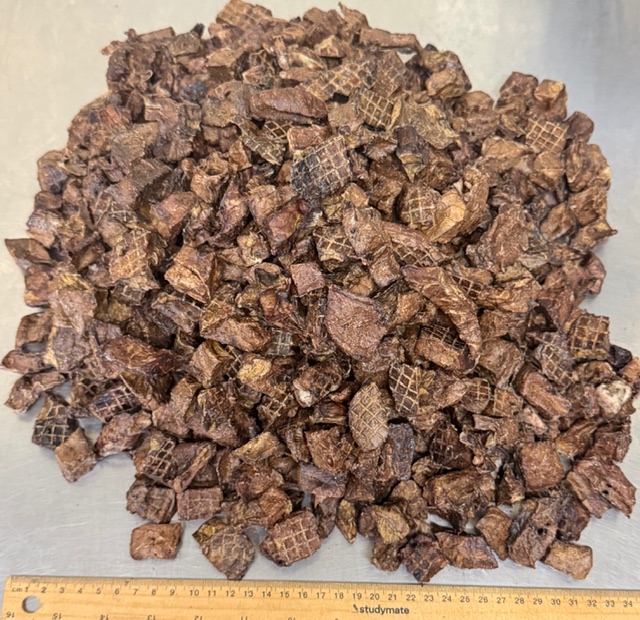
Our Lamb Puffs have a light, crunchy texture and can be broken into smaller pieces. Our Chicken Breast Dog Treats are thin, dehydrated chicken pieces that can also be portioned for rewards. Check each product’s ingredients and suitability for your own dog.
You can use small rewards in everyday practice or learn how to use them in our Brisbane Puppy School and Group Obedience classes.
For chewing: the dog matters as much as the chew
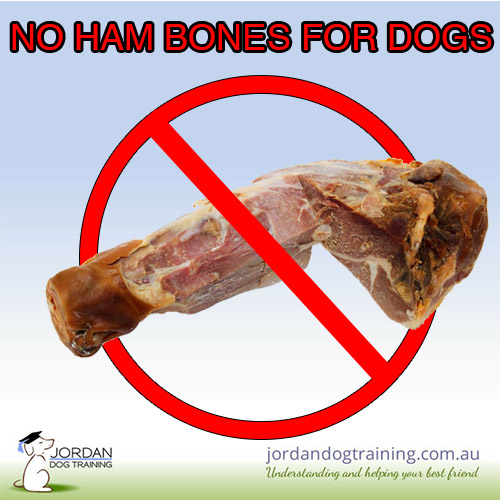
A bigger or harder chew is not automatically a better choice. Consider your dog’s age, teeth, size and chewing style. Supervise them, choose a suitable size and shape, and remove pieces that have become small enough to swallow whole. Avoid excessively hard items and sharp edges.
If your dog gulps, has damaged teeth or needs a prescribed diet, ask your vet what is suitable before choosing a chew. A claim that something lasts for hours is not evidence that it is safe for your dog.
Count the whole day’s treats
Training rewards, snacks and edible chews all contribute to daily intake. VCA’s veterinary guidance recommends that at least 90% of daily calories come from complete and balanced food, with no more than 10% from treats and snacks. This is a ceiling, not a target to fill.
For training, set aside the day’s rewards before you begin. Part of your dog’s normal food allowance may work well too. If calories are not supplied for a product, ask the manufacturer or supplier; weight alone does not tell you its calorie content.
Be careful with health promises
Be cautious about claims that one treat will fix itching, anxiety or digestive problems. A treat should not replace assessment of an ongoing problem. Dogs with dietary sensitivities or medical conditions may need a specific plan from their vet.
A crunchy texture also does not prove a dental benefit. If a product claims to reduce plaque or tartar, look for supporting evidence. The Veterinary Oral Health Council’s accepted-products list identifies products assessed for those claims. Do not assume every natural chew has been tested.
Frequently asked questions
Are single-ingredient treats always better?
They can make ingredient checking simpler. The right choice still depends on the individual dog, the amount fed and what you are using the treat for. A short ingredient list is useful information, not the whole answer.
Can puppies have natural treats?
Some may be suitable, but check the product guidance and choose a texture and portion your puppy can manage. Supervise feeding and ask your vet if you are unsure. “Natural” alone is not an age recommendation.
Can I use treats without overfeeding during training?
Yes. Use small pieces and plan rewards within the day’s food allowance. You do not need a large piece to acknowledge a good choice. Adjust the approach with your vet if your dog needs weight management.
Where should I start with your range?
Start with the purpose, then compare the individual product details. Browse our dog treats range, or contact our team for help choosing a training reward or chew. Tell us your dog’s age, size and how they usually chew.
For another practical way to use small rewards, read our guide to treat scatter games.
Give your dog a pat from us.
Further reading: WSAVA’s guide to feeding treats, together with the AAFCO, VCA and VOHC resources linked above. This guide covers general treat selection; individual medical or dietary needs should be discussed with your vet.