Suspected GDV is an emergency. Call an emergency vet immediately about repeated unsuccessful retching, sudden abdominal swelling or severe abdominal distress. Do not wait to see whether it passes.
Bloat and twisting are different
A stomach can become enlarged without twisting. GDV involves enlargement and rotation, which can compromise blood flow. Both require veterinary assessment; an owner cannot safely establish the difference by looking at the dog.
Know the warning signs
Watch for unsuccessful retching, drooling, restlessness, abdominal enlargement, weakness or collapse. Not every dog shows every sign. A lack of obvious swelling does not make repeated retching safe to ignore.
Discuss your dog’s individual risk
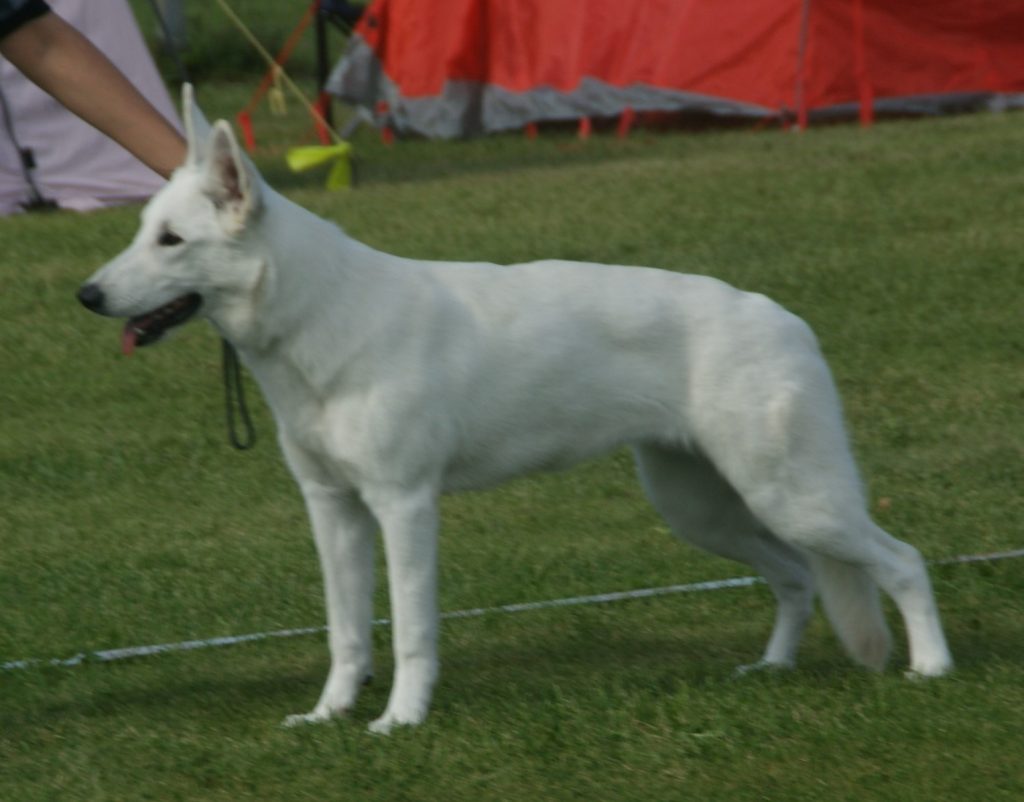
Body shape, age and family history can affect risk. Ask your vet about suitable meal sizes, a comfortable feeding setup and exercise around meals. There is no universal waiting period or feeding bowl that guarantees protection.
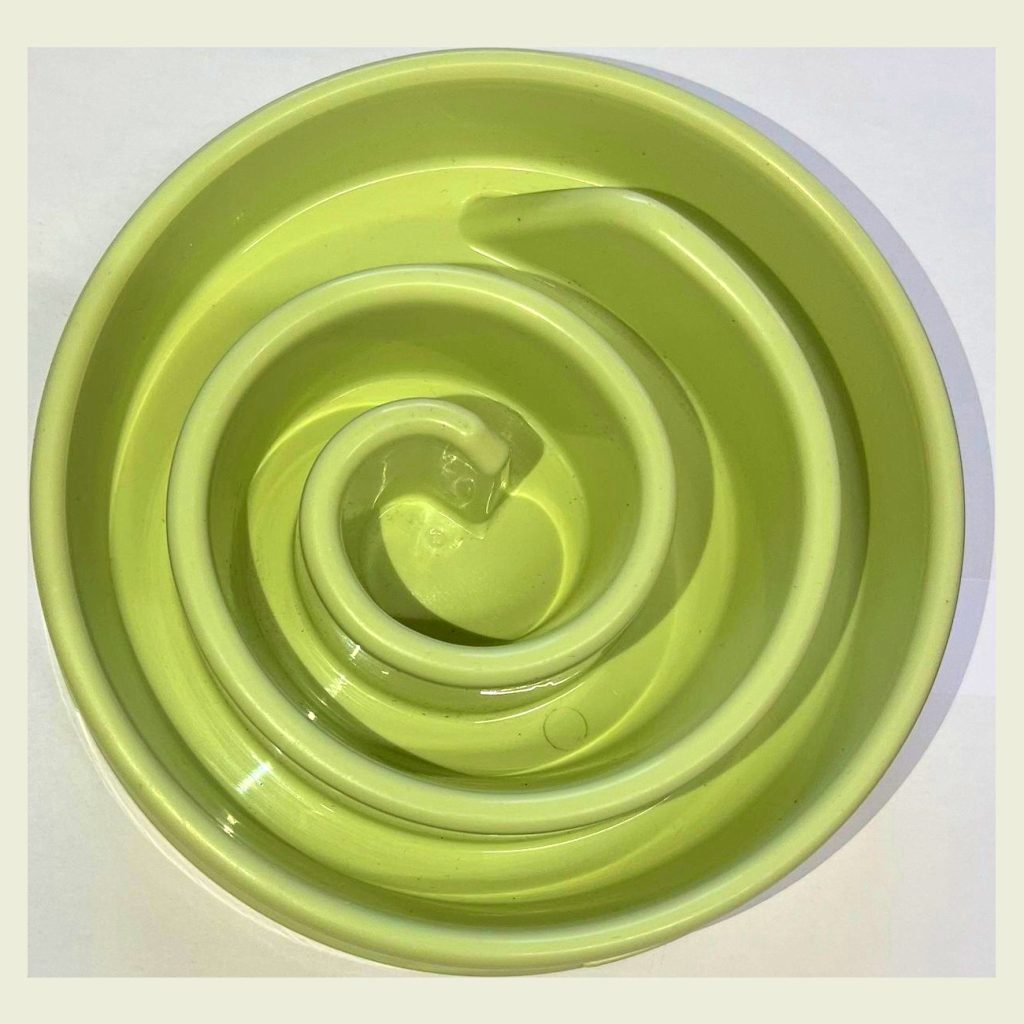
A suitable slow feeder may help a dog eat less rapidly. It should be chosen for comfort and safe use, without presenting it as a proven guarantee against GDV.
Ask about preventive gastropexy
For some at-risk dogs, a vet may recommend an operation to attach the stomach to the body wall. It aims to prevent twisting; it does not prevent every episode of stomach enlargement. Urgent signs still need assessment afterwards.
See our GDV warning-signs guide for immediate owner guidance.
Veterinary sources
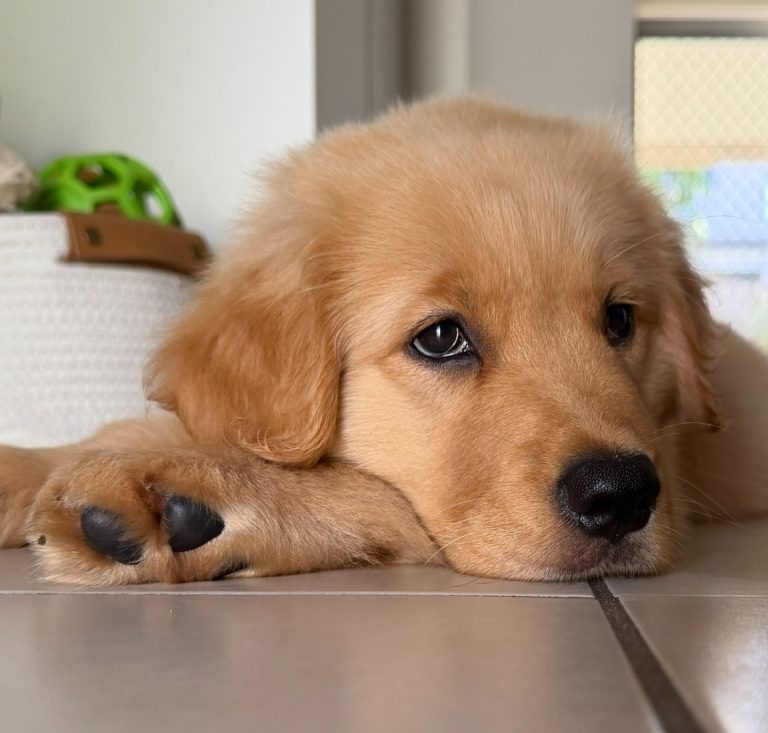
The cover photograph is illustrative and does not show a diagnosed condition or establish the dog’s emotional state.