
A small snack for a person can be a substantial extra for a dog. But saying that a piece of cheese equals a fixed number of human hamburgers can mislead unless the animal’s size, calorie needs, portion and comparison are clearly defined.
It also says nothing reliable about toxicity. Calories and whether a food is safe are separate questions.
Count the whole day
Include training rewards, chews, table scraps and food from other family members when considering your dog’s daily intake. Several small extras can add up.
A commonly used veterinary nutrition guideline is to keep treats and other unbalanced extras within about 10% of daily calories. This is a general guide, not a target or permission to feed an unsuitable food. Some medical diets and food trials need stricter limits.
Make training rewards practical
Use small rewards your dog can eat comfortably. Where suitable, set aside some of their usual complete food for training. Ask your vet about portions and alternatives if your dog needs weight management or dietary restrictions.
Do not simply reduce a growing puppy’s balanced meals to make room for large amounts of treats.
Check safety before sharing
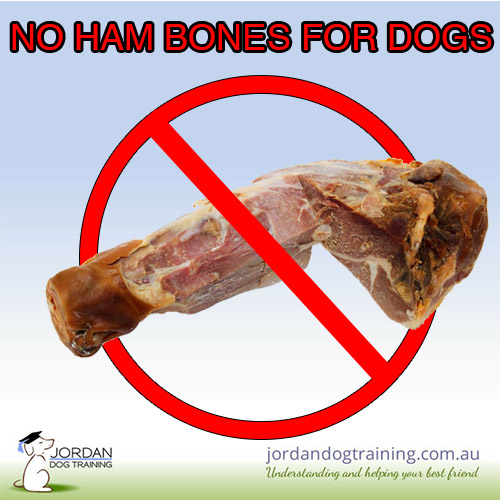
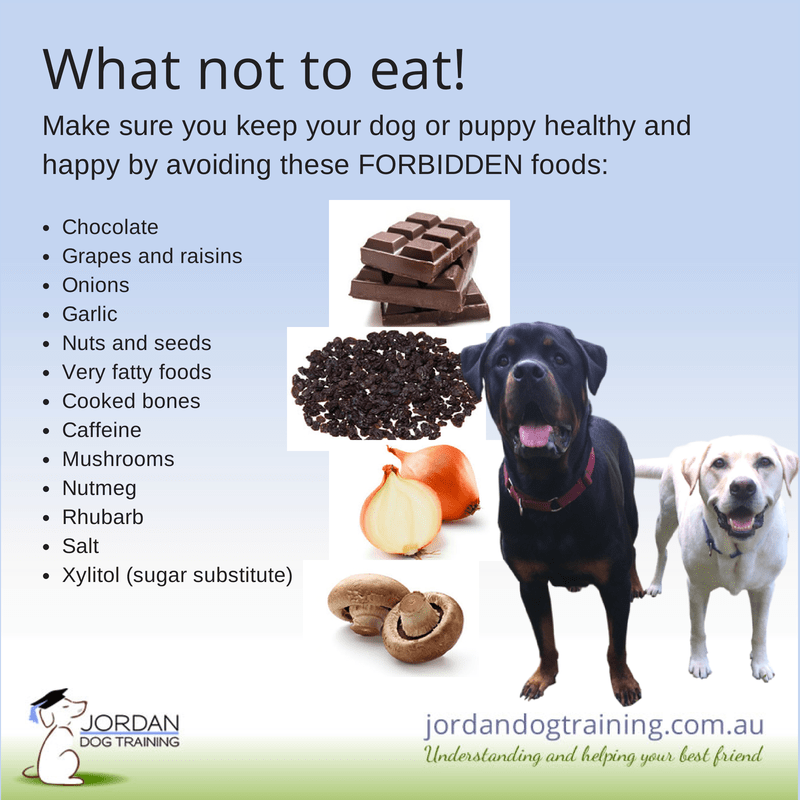
Human food is not one category of risk. Ingredients, quantity and the individual dog matter. If you suspect your dog has eaten something poisonous, contact your vet promptly and keep the packaging.
If your dog has pancreatitis or another diagnosed condition, follow the feeding plan rather than assuming a low-fat or natural treat is automatically suitable. See our pancreatitis guide.
Veterinary nutrition source
Tufts University veterinary nutrition team: treats without unbalancing the diet.