

American Pit Bull Terrier or Pit Bull: are we talking about the same dog? Not necessarily. And in Queensland, the difference between an informal description and a legal breed name really matters.
At Jordan Dog Training, we believe responsible ownership starts with understanding dogs properly. This guide is here to inform, not to argue for or against any breed or law.
American Pit Bull Terrier vs Pit Bull: what’s the difference?
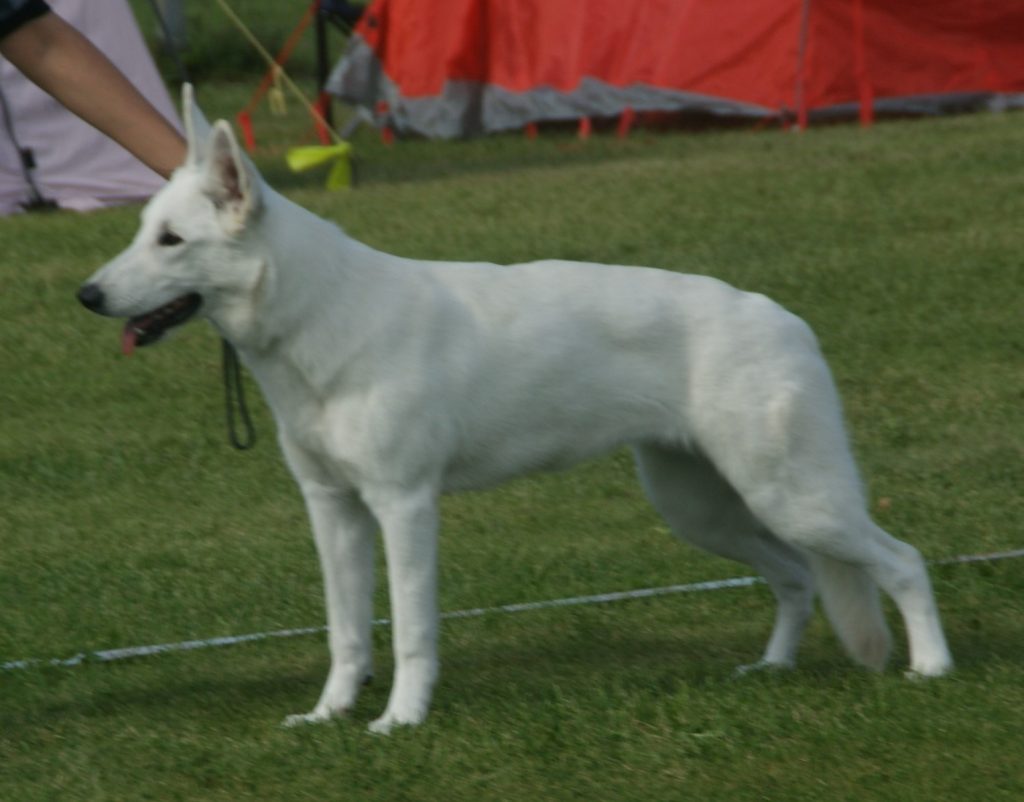
The United Kennel Club recognises the American Pit Bull Terrier as a distinct breed. The expression “Pit Bull” is also used for dogs of several breeds and mixed ancestry. Appearance alone is not reliable proof of pedigree. The American Staffordshire Terrier is a separately recognised breed in Australia and is expressly distinguished from the APBT in Queensland legislation.
Where did the breed come from?
The APBT’s ancestry traces to bull-and-terrier dogs developed in Britain and subsequently bred in the United States. The UKC describes a muscular, agile, medium-sized dog with balanced proportions, rather than exaggerated bulk. Its short coat generally needs regular brushing and routine skin, nail and dental care.
Temperament: understanding the individual dog
The UKC standard describes confidence, enthusiasm and willingness to work with people. It also recognises that some degree of aggression towards other dogs may occur. Dog-directed aggression and human-directed aggression are different behavioural questions. A breed standard describes a desired type, not a guarantee of an individual dog’s behaviour.
Inherited traits, learning, socialisation, health, environment and management all matter. Serious aggression must never be dismissed, regardless of breed. Secure containment, supervision, appropriate lead control and prompt professional assessment are essential when warning signs arise.
Are Pit Bulls aggressive? What does science say?
A 2022 study published in Science surveyed owners of 18,385 dogs and analysed genetic data from 2,155 dogs. Breed explained around 9% of variation in the measured behaviours. This does not mean all breeds have identical tendencies, and the study did not establish the likelihood or severity of serious attacks.
A 2015 study of 120 shelter dogs in the United States found that visual identification of Pit Bull-type dogs varied between observers and often disagreed with DNA-based classifications. The researchers used a broad Pit Bull-type category. These results demonstrate identification difficulties, but they are not a Queensland legal breed-identification test.
A breed name tells you something about a dog’s background. It doesn’t tell you everything about the dog standing in front of you.
Exercise, training and family life
Athletic dogs benefit from a sensible combination of structured walks, sniffing, enrichment, rest and short, positive-reinforcement training sessions. Exercise needs vary with age, health and fitness. Socialisation should build confidence through safe experiences, not force greetings with every dog. Be realistic about dog-to-dog compatibility.
Never leave young children unsupervised with any dog. For more practical advice, read our guides to dog parks, dog fights, body language and children and dogs.
Health, grooming and lifespan
Routine grooming includes brushing the short coat, checking skin and ears, trimming nails and dental care. Your vet can advise on weight, joint and mobility concerns, allergies and preventive healthcare. These are potential considerations, not conditions every APBT will develop. Lifespan figures online often mix pedigree APBTs with a much broader group of Pit Bull-type dogs, so we have not presented an unsupported breed-specific number.
Are American Pit Bull Terriers banned in Queensland?
Yes. Queensland lists the American Pit Bull Terrier or Pit Bull Terrier as a prohibited breed. Chapter 4A of the Animal Management (Cats and Dogs) Act 2008 sets out the relevant provisions. Section 103A excludes crossbreeds from its particular definition of prohibited breeds; section 103B sets out the ownership prohibition and exceptions. Separately, section 6 permits local laws about particular breeds and includes crossbreeds in its definition for that purpose. Section 63A expressly distinguishes the American Staffordshire Terrier from the APBT.
For Brisbane owners: do not rely on a casual “Pit Bull-type” description as a legal determination. Brisbane City Council’s regulated dog guidance discusses prohibited breeds and enforcement. Check the latest requirements with your own council, including Moreton Bay or Logan if you live outside Brisbane City. Individual legal questions need qualified advice.
For everyday walking rules across Brisbane, Logan and Moreton Bay, read our local dog leash laws guide. Prohibited-breed rules and dangerous or menacing dog declarations are different legal matters.
What about Moreton Bay?
The Queensland prohibition also applies in Moreton Bay. Council local laws sit alongside state legislation, so living outside Brisbane City does not remove those obligations. Check Moreton Bay’s animal ownership requirements and ask council about your particular dog before making decisions about ownership or moving.
Pit Bull laws elsewhere in Australia
There are two separate questions here: can a dog be brought into Australia, and can it lawfully be kept where you live?
New South Wales: the NSW Office of Local Government lists the American Pit Bull Terrier or Pit Bull Terrier as restricted. Owners face registration and annual permit obligations. Control requirements include desexing, a compliant enclosure, identifying collar, warning signs, and secure leashing and muzzling outside the enclosure. Sale, giving away and transfer of ownership are prohibited.
Other states and territories: do not assume Queensland or NSW rules apply everywhere. Definitions, assessment processes and ownership requirements can differ. Check the destination government and council before travelling, moving, buying or adopting. A friendly temperament, a registration certificate or a different label on an advertisement does not, by itself, resolve the legal question.
American Pit Bull Terrier vs American Staffordshire Terrier
These breeds can share historical ancestry and physical similarities, but their names are not interchangeable in Queensland law. Read our AmStaff breed profile and American Bully profile.
“Punish the deed, not the breed”: is it that simple?
Some people use this phrase to emphasise individual behaviour and owner accountability. Others argue that prevention must also consider breed-related traits and the potential seriousness of harm. Public safety, evidence and fair assessment all matter. A slogan cannot replace the law or a careful risk assessment. Jordan Dog Training does not take a position on breed-specific legislation here.
Questions Australian dog owners ask
Is a Pit Bull the same as an American Pit Bull Terrier?
Not necessarily. APBT is a specific breed name; Pit Bull is often used more broadly.
Are Pit Bulls dangerous?
No breed label reliably predicts an individual dog’s behaviour. Aggression, physical strength, circumstances and management all matter to safety.
Are Pit Bulls banned in Australia?
Specified breeds face national import restrictions, while ownership laws vary between Australian states and territories. Queensland has specific prohibited-breed provisions.
Are American Pit Bull Terriers legal in Brisbane?
Queensland’s prohibition applies in Brisbane, subject to the law’s provisions and exceptions. Seek advice from Brisbane City Council for individual circumstances.
Can you identify an APBT by looking at it?
Not reliably. Visual appearance is not conclusive evidence of breed identity.
What if my dog is reactive or has bitten?
Prioritise safety and seek veterinary and qualified behavioural advice. Our in-home behaviour consultations may help.
Sources
- United Kennel Club breed standard
- Morrill et al., Science (2022)
- Olson et al., The Veterinary Journal (2015)
- Queensland legislation
- Brisbane City Council
General educational information, not legal or veterinary advice. Laws may change.
Give your dog a pat from us.