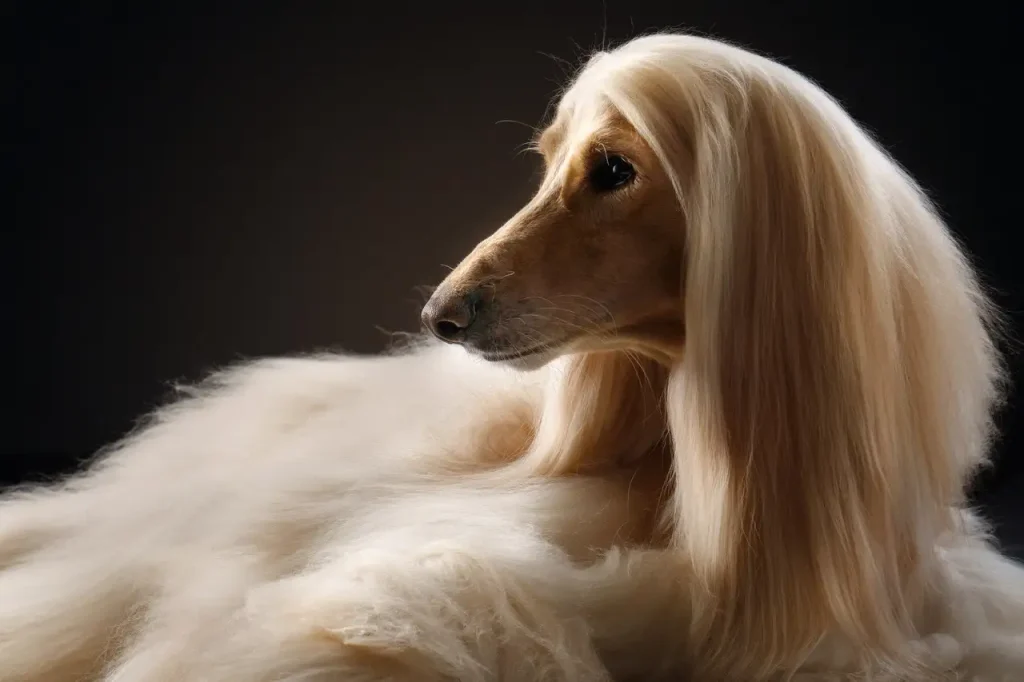

If you’ve ever seen a Borzoi in real life, you’ll know exactly what I mean when I say they look like they’ve stepped out of a painting. Long, lean, ridiculously graceful, and usually calm as anything… right up until something moves quickly and that sighthound wiring kicks in.
This is a breed that can be genuinely beautiful to live with, but they’re also not a “same as a Labrador, just fluffier” type of dog. The Borzoi needs the right home, the right setup, and an owner who understands what they were bred to do.
Let’s break it down properly.
Quick snapshot: what most Borzoi are like
Borzoi are typically:
- Quiet and gentle at home, big loungers when their needs are met
- Sensitive, often a bit aloof with strangers, but loyal with their people
- Built to chase by sight, with very fast reflexes and a strong chase drive
- Tall dogs, with minimum heights in the Australian standard of 74 cm (males) and 68 cm (females)
- Coated in that classic long silky coat (flat, wavy or curly, but not woolly)
A quick word on the name
People often write “Borzio” but the breed name is Borzoi (also historically called the Russian Wolfhound). You’ll see both used.
What Borzoi were bred for, and why that matters today
Borzoi are sighthounds. They were bred to spot movement, chase quickly, and make decisions at speed. That history shows up today in a few predictable ways:
1) The chase instinct is real
This is not a “bad habit” you train out. It’s an instinct you manage intelligently. The breed clubs are very clear on this: chasing is part of what a Borzoi is .
2) They can be independent
They’re intelligent, but they’re not always “keen to please” in the way some breeds are. You can absolutely train them, but you need to do it with good timing, consistency, and respect for their sensitivity.
3) They’re often calm indoors
This is one of the great joys of the breed when everything is going well. Many are clean, settle easily, and love quiet home life .
Temperament: what a great Borzoi looks like
In plain terms, most Borzoi are:
- Gentle and quiet
- Affectionate with their family
- A bit reserved with new people
- Not generally “in your face” social dogs
That “aloof” vibe is normal for the breed and doesn’t automatically mean fear.
Best tip here: If you want a Borzoi, meet a few adult ones, not just puppies. Puppies are often friendly with everyone, then mature into that more reserved temperament.
Training a Borzoi: what works best
At Jordan Dog Training, we’d keep it simple: calm, clear, reward-based training, with a big focus on domestic good manners.
Why? Because good manners mean less chaos, less stress, more freedom at home, and a safer dog in the real world.
The training priorities I’d start with
1) Settle and switch-off skills
Teach:
- Mat training and calm stationing
- Relaxation around visitors
- “Go to bed” when the doorbell goes
Borzoi tend to enjoy calm structure when it’s introduced properly.
2) Lead walking without drama
They’re tall, strong, and can accelerate fast. The goal is not perfection, it’s safe, comfortable walking with good habits.
3) Recall, but with realistic expectations
You can build a solid recall in low-distraction settings, but the chase instinct can override training if something triggers that prey drive.
So we train recall, and we also train:
- Check-ins
- Emergency cues
- Pattern games
- Long-line skills for safety
That’s what responsible ownership looks like with sighthounds.
4) Handling and grooming comfort
Because they’re sensitive, I’d actively train:
- Calm brushing routines
- Vet-style handling
- Feet, ears, collar touch
This is one of those “do a little every week” things that pays off for life.
Exercise: not endless, but it must be right
A Borzoi doesn’t always need hours of frantic activity, but they do need:
- A daily walk
- Plus opportunities to run safely in a fully secure area
They’re built to sprint. If they never get an outlet for that, you often see frustration, zoomies at the wrong time, or a dog that’s physically underdone but mentally flat.
Important: “Off lead” only really belongs in fully fenced, secure environments for most Borzoi. Their speed and chase drive are no joke.
Enrichment ideas that suit Borzoi
This is where people can really lift the quality of life for these dogs.
Good options:
- Sniff walks with time to explore (not just marching)
- Scatter feeding in grass
- Cardboard box “forage” games
- Simple scent games in the yard
- Licki-mats and long-lasting chews to help them decompress
A quick plug here: our Jordan Dog Training online store stocks a wide range of natural, healthy, environmentally enriching treats, which are brilliant for calm enrichment at home.
Grooming: what you’re actually signing up for
The coat is long, silky, and feathered, and the Australian breed standard describes it clearly .
In real life, this usually means:
- A proper brush-through at least weekly
- More often during seasonal shedding
- Paying attention to feathering on legs, behind ears, and tail
Suggestion to make life easier: Start grooming training early and make it calm, predictable, and positive. A Borzoi that trusts handling is a much easier dog to live with.
Health considerations owners should know about
This section is general education only, but it matters.
Bloat (GDV)
Large deep-chested breeds are known to be at higher risk of GDV (bloat with twisting), which is a life-threatening emergency.
Owners should know the common red flags people talk about, like unproductive retching, a distended abdomen, drooling, restlessness, and rapid deterioration, and treat it as urgent.
Health testing conversations with breeders
Health testing practices vary, but internationally, Borzoi breed organisations commonly recommend screening breeding dogs for things like:
- Eyes (CAER type exam)
- Cardiac evaluation (echo)
- Thyroid
- Degenerative myelopathy DNA testing
That doesn’t mean every Borzoi will have issues. It just means good breeders take the long view.
Choosing the right Borzoi: practical questions I’d ask
If you’re speaking with a breeder or considering a pup, I’d be asking:
- What are the parents like in real life (not just show results)?
- How do they handle strangers?
- What’s their off-switch like in the house?
- Any history of anxiety, sound sensitivity, or reactivity in the line?
- What health testing has been done, and can you show results?
- What support do you offer after the puppy goes home?
Big suggestion: Aim for stable, confident temperament first. Looks are lovely, but temperament is what you live with every day.
Who does the Borzoi suit best?
A Borzoi is often a great fit for:
- Calm, respectful households
- People who like a quieter dog
- Owners who can manage chase drive responsibly
- Homes with secure fencing and a safety-first mindset
They’re often not ideal for:
- People wanting reliable off-lead freedom in unfenced areas
- Homes full of high-speed chaos and constant over-arousal
- Owners who want a dog that is highly biddable all the time
A simple “before you commit” checklist
If you want to set yourself up for success, make sure you can tick these off:
- ✅ Secure fencing and safe containment
- ✅ A plan for exercise that includes safe running opportunities
- ✅ Comfort with a dog that may be aloof with strangers
- ✅ Willingness to train domestic good manners early
- ✅ Comfort with grooming and handling practice
- ✅ A realistic approach to recall and prey drive management
If you’d like help setting up training early, our team can help you build those foundations properly, especially the real-world skills that make life smoother and safer.
Also, don’t forget the Jordan Dog Training website has a wealth of searchable blogs on common dog topics, so you can keep learning as you go.
Disclaimer
Disclaimer: The information provided in this blog is intended as general guidance only and is based on our experience as dog trainers and behaviourists. It is not veterinary advice and should not be used to diagnose, treat, or manage medical conditions, and it should not replace consultation with a qualified veterinarian. Every dog is different, and any training or management ideas should be applied with your dog’s individual needs in mind. If you have any concerns about your dog’s health, wellbeing, mobility, behaviour, or safety, we recommend speaking with your vet to ensure the best care for your dog. If you believe your dog may be unwell, injured, in pain, or you suspect an urgent issue (for example, difficulty breathing, collapse, seizures, or a bloated abdomen), seek veterinary help immediately.
Justin Jordan is a dog behaviourist and the founder of Jordan Dog Training, a family-owned Brisbane business. With more than 35 years of experience in the pet industry, Justin and his team help families with puppy training, everyday manners and behaviour concerns.