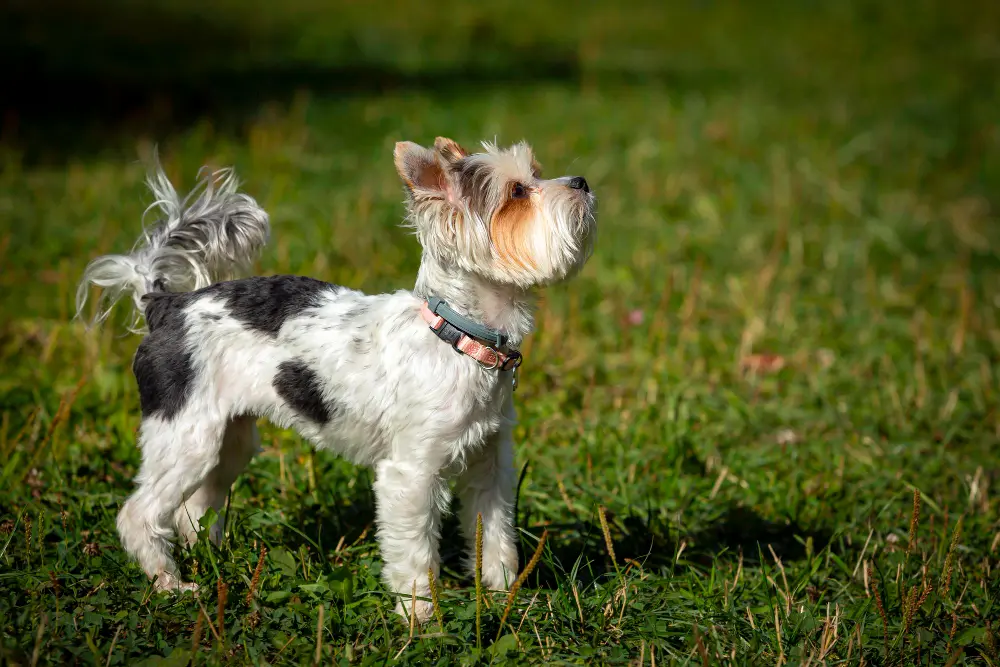


The Australian Cobberdog is being developed as a companion dog, with breeding goals that place considerable emphasis on temperament and its relationship with people. That has attracted interest from families and people looking for potential therapy or assistance dogs. However, choosing a Cobberdog requires the same careful questions as choosing any other dog: what is this individual likely to need, what evidence can the breeder provide, and can your household meet those needs?
In this Australian Cobberdog breed profile, I explain registration, temperament, grooming, health questions and training, including the things I would want an owner to understand before bringing a puppy home. A lovely coat and a friendly puppy are only the starting point. The everyday work of raising that dog matters.
Registration status checked: 15 October 2026. Australian Cobberdogs can have MDBA pedigree registration, but they are not currently listed as a recognised breed by Dogs Australia, formerly the ANKC. These are separate organisations and separate forms of recognition.
On this page: Registration and recognition | Cobberdog or Labradoodle? | Temperament and family life | Coat care and allergies | Training and exercise | Health and breeder questions | Therapy and assistance dogs | Common questions
Are Australian Cobberdogs a registered breed in Australia?
The answer depends on the registry. The Master Dog Breeders and Associates’ Cobberdog website describes the Australian Cobberdog as a breed in development. It reports advancement to its Intermediate Registry in November 2024, with full MDBA breed recognition still a future step.
That is different from recognition by Dogs Australia. The Australian Cobberdog is absent from its current breed directory. Dogs Queensland has published a proposal seeking national recognition, but a proposal is not an approval.
When a breeder says a dog is “registered”, ask which organisation issued the papers and what those papers record. Pedigree registration, a breeder’s membership, a government breeder identification number, microchipping and council registration serve different purposes. One does not establish all the others.
Pedigree papers can help you trace ancestry. They do not, on their own, establish that a dog has suitable health, temperament or training for your home. Ask for the supporting information as well.
Australian Cobberdog vs Labradoodle: what is the difference?
The Cobberdog’s development is connected to Australian Labradoodle breeding programs. Tegan’s account of the breed’s development records MDBA acceptance under the Australian Cobberdog name in January 2012. The distinction involves a named development program, pedigree records and selection towards a documented standard.
A Labrador and Poodle cross is not automatically an Australian Cobberdog. Nor should every Australian Labradoodle be relabelled a Cobberdog. If the distinction matters to you, ask the breeder to explain the dog’s ancestry, registry and breeding program, rather than relying on appearance or a marketing label.
There is no need to dismiss a dog because its ancestry includes several breeds. Equally, having a particular label does not make a dog automatically healthier, calmer or easier to train. Look at the breeding decisions and the individual dog.
Australian Cobberdog temperament and family life
Cobberdog breeding programs commonly aim for sociable, trainable dogs that enjoy being with people. Those are selection goals, not a promise that every puppy will grow into a calm, confident adult. Genetics, early experiences, health, learning and the home environment all influence behaviour.
Descriptions such as “intuitive” and “emotionally aware” can be appealing, but they do not replace a practical temperament assessment. I would rather know how the dog copes with gentle handling, changes in its surroundings, everyday frustration and opportunities to rest.
- Can the puppy explore and then settle, rather than remain constantly busy?
- Does the breeder describe both the parents’ strengths and their challenges?
- Has the puppy had gradual, positive experiences with people and normal household activity?
- Is the breeder matching puppies to homes, rather than promising that every puppy suits every family?
Affection and independence are not opposites. A dog can enjoy being close to you and still learn to rest comfortably while you are occupied. Constantly following an owner does not, by itself, diagnose separation anxiety. For more on this, see why some dogs stay close to their people.
Living with children, other dogs and cats
A friendly reputation never replaces supervision around children. Give the dog a resting space children leave alone, prevent grabbing and hugging, and help children recognise when the dog wants distance. Adults need to manage these interactions. Our article on helping children and dogs interact safely explains this in more detail.
Introduce other pets gradually, with enough space to avoid pressure. Do not assume a sociable puppy will welcome every unfamiliar dog or be safe with every cat. If you have a cat, our guide to introducing a dog to a cat provides a useful starting point.
Size, coat, grooming and allergies
Cobberdogs are commonly described in miniature, medium and standard sizes. Ask about the adult size of the parents and previous related litters, and allow for variation. Adult size affects transport, handling, equipment and grooming costs. A smaller dog still needs training and appropriate activity.
Coat texture and colour can vary between dogs and lines. Breeders often describe fleece coats and low shedding, but the coat you can maintain comfortably is more useful than a photograph of a freshly groomed dog.
Low shedding still means regular grooming
Plan the grooming routine before the puppy arrives. Ask a professional groomer to demonstrate suitable brushing and combing, particularly how to check beneath the surface of the coat. A coat can look tidy on top while tangles develop closer to the skin.
- Check regularly behind the ears, under the legs, around the collar or harness and anywhere hair rubs together.
- Agree on a brushing and grooming schedule suited to the individual coat, its length and the dog’s activities.
- Include nail care and gentle handling of feet, ears and the face.
- If you find tight mats or sore skin, seek a groomer’s or vet’s help instead of pulling through them or cutting close to the skin.
The RSPCA’s grooming guidance explains why regular coat care matters and when professional help is appropriate. A comfortable, manageable clip can be a better choice than maintaining a long coat that the household cannot keep free of tangles.
Are Australian Cobberdogs hypoallergenic?
No dog can be guaranteed allergy free. ASCIA’s pet allergy guidance explains that allergens are associated with substances including saliva and dander, not just visible shed hair. A low shedding coat does not remove that risk.
If someone in your household has an allergy or asthma, speak with their doctor or allergy specialist before committing to a dog. A brief visit with a puppy does not establish that living with that dog will be safe. Be cautious about any guarantee that a particular puppy will not trigger allergies.
Training an Australian Cobberdog puppy
Start with useful everyday skills: toileting, responding to their name, coming when called, walking on a loose lead, resting on a mat and feeling comfortable with handling. Keep practice manageable and reward the behaviour you want repeated.
Reward based training is supported by the American Veterinary Society of Animal Behavior’s humane training position. It applies across breeds, including dogs described as sensitive. If a puppy struggles, consider the difficulty of the task, distractions, tiredness, fear and possible discomfort before deciding it is being stubborn.
Socialisation should build confidence
Socialisation does not mean meeting every dog and person you see. Give your puppy safe opportunities to observe ordinary life, with enough distance to remain comfortable. Let them investigate at their own pace and practise calmly moving on.
For example, sitting well back from a playground and rewarding relaxed observation can be more useful than taking a worried puppy into the middle of the activity. If they freeze, retreat, become frantic or stop responding as they normally would, make the experience easier.
Discuss vaccination and local disease risks with your vet when planning outings. Our Brisbane puppy school helps owners build practical foundations, and our guide to the first six months of a puppy’s life provides further reading.
Teach grooming and handling before you need them
Begin with brief, comfortable experiences: show the brush, reward; touch a shoulder gently, reward; lift a paw briefly if the puppy is comfortable, reward and release. Build up gradually rather than waiting until a full grooming appointment is necessary.
Watch the whole dog. Pulling away, stiffening or repeatedly turning away tells you to slow down. A dog that remains still may be worried rather than relaxed. Our calm collar handling guide explains how to make hands approaching the dog more predictable.
Mouthing, jumping and learning to settle
Cobberdog puppies can mouth, jump, chew and become overexcited, just like other puppies. Provide suitable chewing options, manage access to things they cannot have, reward calm greetings and protect time for rest. Avoid turning every interaction into an exciting game.
If biting is becoming difficult, see our puppy biting guide. Sudden sensitivity to touch, a marked behaviour change or persistent difficulty settling also warrants a conversation with your vet.
Exercise, enrichment and the adult dog
Match activity to the dog’s age, health, size and interests. There is no single exercise quota that suits every Cobberdog. An adult may enjoy walks, sniffing, play and training, but the aim is a dog whose needs are met and who can also rest.
For growing puppies, use comfortable, varied activity and discuss demanding exercise with your vet. Avoid relying on rigid formulas or repeatedly exercising a puppy to exhaustion. Our article on how much exercise a puppy needs explores the considerations.
Sniffing games and short searches for food can add variety without making every session physically intense. Introduce enrichment safely and supervise new items. See our guides to treat scatter activities and decompression walks.
Apartment living may be workable if you can provide suitable activity, toileting opportunities and comfortable rest. Think about lift access, neighbours, barking and your working hours. A backyard is useful, but it does not replace interaction and training.
Can Cobberdogs be left alone?
Help your puppy learn comfortable time apart through small, manageable experiences. Start while you are still home and increase the challenge only while the puppy remains relaxed. Arrange care when your absence would exceed what they can currently cope with.
Barking, pacing, escape attempts and destructive behaviour during absences can indicate distress, but they can have other causes too. Record what happens and seek an assessment rather than assuming the dog is naughty or needs more exercise.
The RSPCA recommends veterinary advice for dogs struggling when left alone. Food toys may help some dogs but will not resolve significant anxiety, and a distressed dog may not eat. Our separation anxiety guide explains the issue, while our independent pet camera article discusses monitoring.
If barking is the main concern, read our barking guide. The useful starting point is understanding when and why it happens.
Health, lifespan and choosing a breeder
Ask for evidence about the parents and their relatives, rather than accepting “health tested” as a complete answer. Different tests answer different questions. A DNA panel does not replace physical examinations or hip and elbow assessments, and no screening program guarantees a puppy will remain free from illness.
The MDBA’s published registration requirements include DNA testing before breeding. Its annual pre-breeding checks and hip and elbow requirements include specific conditions relating to dogs born after 1 July 2024. Check the requirements applying to the parents and ask for their actual reports: the MDBA says hip, elbow and DNA results are not printed on the pedigree.
Discuss health reports with your vet if you need help interpreting them. Ask about joint problems, eyes, skin, ears and any recurring issues in the family. These are useful questions to investigate, rather than proof that a condition is common in Cobberdogs.
How long do Australian Cobberdogs live?
Published profiles often repeat a lifespan range, but I have not established a reliable population study that supports a precise Cobberdog average. Adult size, inherited health, nutrition and individual circumstances affect longevity. Ask the breeder about the ages and health of older relatives rather than treating an advertised range as a guarantee.
Questions I would ask before paying a deposit
- Which registry will issue the puppy’s pedigree, and can I verify the breeder’s membership directly?
- Can I see the parents’ health reports and have the results explained?
- What are the parents like in daily life, including around unfamiliar people and when left alone?
- How are the puppies raised, and what gentle handling, household exposure and early learning do they receive?
- How do you decide which puppy suits which household?
- What coat care and adult size should I realistically prepare for?
- What are the written terms, and what support is available if there is a health or behaviour concern?
- If the puppy is being offered for assistance work, which organisation will assess it and what happens if it proves unsuitable?
Be cautious about pressure to buy quickly, guarantees of an allergy free dog, or claims that every puppy will become a therapy or assistance dog. A responsible conversation should include the work involved and the possibility that a particular puppy is not right for your needs.
Cobberdogs as therapy dogs and assistance dogs
Some Cobberdogs may be suitable for these roles. The important distinction is between breeding with a goal and demonstrating that an individual dog can do the work comfortably and reliably. Being affectionate or making eye contact is not enough.
- Therapy dogs work with a handler in agreed settings, such as schools or care facilities, to support other people. The dog needs appropriate assessment, training and the venue’s permission. The therapy label alone does not give general public access rights.
- Assistance dogs are trained to assist a person with disability and must meet the applicable requirements for their work, hygiene and behaviour. Breed registration does not confer assistance dog status.
The Australian Government’s public access explanation sets out the federal framework. Queensland also has a state certification pathway, explained in its guide, hearing and assistance dog information. Check the pathway with the organisation supporting you before choosing a prospect.
An assessment should consider health, recovery after ordinary surprises, comfort in different environments, settling, handling and the requirements of the intended role. These qualities develop over time. A brief puppy test cannot guarantee adult suitability, and frightening a puppy to test its resilience is not appropriate.
For comparison, Assistance Dogs Australia says its programs currently use Labradors, Golden Retrievers and crosses of those breeds. That is an example of an established provider’s approach, rather than a claim that other dogs cannot be suitable. For therapy work, discuss the individual dog with the program involved.
Common questions about Australian Cobberdogs
Are Cobberdogs good family dogs?
They can be, provided the individual dog suits the household and receives appropriate care, supervision and training. Family friendliness is a breeding aim, not a guarantee. Consider the children’s ages, other pets, working hours and grooming commitment.
Are Cobberdogs easy to train?
Many owners seek them for trainability, but learning still depends on the individual dog and how it is taught. Use clear rewards, manageable steps and practice in different settings. A puppy that learns quickly at home may still need help around distractions.
Do Cobberdogs shed or bark?
Low shedding is a common breeding goal, but coats vary and still need maintenance. Cobberdogs can also bark. Investigate the context, such as excitement, unfamiliar activity, frustration or distress, and address the cause.
Does a Cobberdog pedigree mean it is an assistance dog?
No. Pedigree registration records ancestry within a registry. Assistance work requires an individually suitable dog, relevant training and compliance with the applicable requirements. A breeder’s description of potential does not establish working status.
Support for Cobberdog owners in Brisbane
If you are bringing home a puppy, our puppy pre-school is a useful place to build those early skills and get help with the everyday questions. As your dog develops, group obedience classes can help you practise around distractions.
For difficulties with settling, handling, barking or time alone, our in-home dog behaviour consultations allow us to work with your dog in its own environment. Speak with your vet as well when pain, illness or anxiety may be involved.
My advice is to choose the dog and breeder carefully, then put the same care into raising the puppy. A Cobberdog can be a lovely companion, but its welfare and your experience together will depend on more than the breed name.
About this profile: Written by Justin Jordan. Originally published 12 March 2026; reviewed and updated 15 October 2026. Registry and legal information can change, so consult the linked organisations for current requirements. The training guidance is general and should be adapted to your dog. Health concerns should be discussed with your vet.

Justin Jordan is a dog behaviourist and the founder of Jordan Dog Training, a family-owned Brisbane business. With more than 35 years of experience in the pet industry, Justin and his team help families with puppy training, everyday manners and behaviour concerns.