Information checked: 17 October 2026 | By Justin Jordan, Jordan Dog Training
Can dogs get bird flu? Yes, they can. Reported infections in dogs have been rare, but contact with an infected bird or other animal can put them at risk. For most owners, the useful question is what we can do to prevent that contact when we are out with our dogs.
A dead bird on a walking track can be a very interesting discovery for a dog. It is also something we want them to leave alone. Understanding bird flu in dogs helps us make sensible decisions without becoming frightened of every walk or every bird in the backyard.
The advice to remember
Keep your dog away from sick or dead wildlife. Call your vet after a concerning exposure, and phone before arriving.
If you suspect H5 bird flu in any animal, call the 24-hour Emergency Animal Disease Hotline on 1800 675 888. Keep your distance, record the location and follow the advice given.
What is H5 bird flu?
Bird flu, also called avian influenza, mainly affects birds. H5 viruses can also infect some mammals, including dogs and cats. The Australian Government describes infections in cats and dogs overseas as rare. That does not make exposure harmless, but it is a reason to keep the risk in perspective.
Australian Government veterinary guidance on H5 bird flu identifies contact with infected animals, contaminated raw pet food and unpasteurised milk as exposure routes for cats and dogs.
Bird flu in Australia and Queensland: the current situation
As checked on 17 October 2026, H5 bird flu has been detected in Australian wildlife, including in Queensland. The Australian Government’s 16 October update also confirms detections in an elephant seal and a kelp gull on Macquarie Island. It reports no detections in Australian poultry or the agricultural production system.
The Queensland Government’s current situation page says no further Queensland detections have been reported since 25 August 2026, with no evidence that H5 bird flu has become established in Queensland wild bird populations. Surveillance continues.
These are dated updates, rather than a guarantee about any particular location. Check official advice and local signs before visiting wildlife areas, beaches or wetlands.
How can I reduce my dog’s exposure?
The Australian Government’s advice for pet owners supports some straightforward precautions:
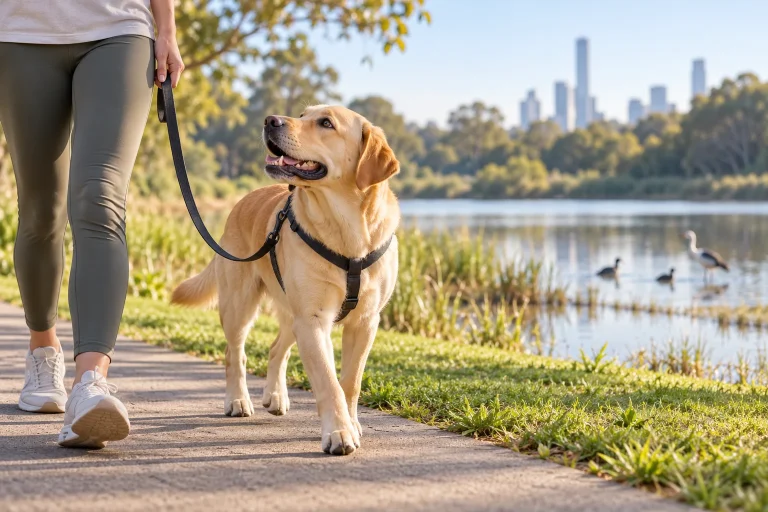
- Keep your dog on lead in wildlife areas and supervise closely.
- Prevent sniffing, touching, carrying or eating sick or dead wildlife.
- Position pet food and water so wild birds cannot contaminate them.
- Follow local closures and biosecurity directions.
- If you have handled sick or dead birds, shower and change clothes before touching your pets.
Avoid letting your dog investigate a carcass, even if it looks old. You cannot tell what caused an animal’s death just by looking at it.
What about raw food?
Contaminated raw diets have been linked to infections in pets overseas. This does not mean every raw product is contaminated. Speak with your vet about your dog’s diet and ask the manufacturer about its safety controls. Cornell University veterinary guidance cautions that freezing or freeze-drying should not be relied on to remove H5N1 risk from contaminated raw food.
My dog picked up or ate a bird. What should I do?
- Move away and secure your dog. Avoid further contact with the bird.
- Phone your vet. Explain what happened, where and when, and whether your dog is unwell. Do not wait for symptoms before asking for advice.
- Leave the bird where it is and report suspected bird flu. Do not take it home or into a clinic unless authorities specifically direct you to do so.
Finding a dead bird does not prove that it had bird flu or that your dog is infected. Your vet can assess what monitoring, examination or testing is appropriate. The government’s wildlife advice explains how to record and report a find safely.
Symptoms of bird flu in dogs
Possible signs listed in government guidance include fever, unusual tiredness, poor appetite, inflamed eyes, discharge from the eyes or nose, coughing and sneezing. More serious signs can include breathing difficulties, tremors, seizures or poor coordination.
These symptoms can have many causes. They do not diagnose bird flu. Tell your vet about any recent wildlife contact. Breathing difficulties, seizures or collapse need urgent veterinary attention. Call ahead while arranging care so the clinic can prepare.
Are veterinary clinics still accepting birds?
The national H5 bird flu guidelines for veterinarians describe risk assessment, triage, admission and isolation. They do not set out a blanket Australia-wide ban on clinics accepting birds.
That does not mean every clinic can accept every bird. The clinic’s facilities, staff, biosecurity arrangements and any local movement restrictions affect what it can do. A clinic may arrange a separate assessment or direct you to another service.
For a sick pet bird, phone your vet before travelling. Describe the symptoms and any contact with wild birds. If you suspect bird flu, contact the hotline as well. For sick or injured wild birds, keep your distance and seek instructions from wildlife rescue or the hotline before attempting collection or transport. Do not walk into a waiting room carrying a bird without speaking to the clinic first.
Where “leave it” training can help
This is one of those everyday situations where training has a very practical purpose. A well-practised “leave it” cue can help your dog turn away before picking something up. “Drop it”, recall and checking in with you are useful skills too.
Our guide to teaching your dog “leave it” explains how to practise with safe items and manageable distractions. Never use a carcass or live wildlife as a training exercise. Use a lead and supervision alongside training, because even a well-trained dog can surprise you.
If you keep chooks, our guide to dogs and backyard chickens also covers separation and preventing chasing. For bird health and hygiene, follow the Australian Government’s advice for backyard chicken and bird owners.
At Jordan Dog Training, we want owners to feel informed and prepared. Keep enjoying your time with your dog, follow current local advice, and get veterinary help when an exposure or illness concerns you.
Give your dog a pat from us.
This article provides general information and does not replace veterinary advice. Health and biosecurity information was checked against the linked sources on 17 October 2026. Follow current government directions and your veterinarian’s advice.