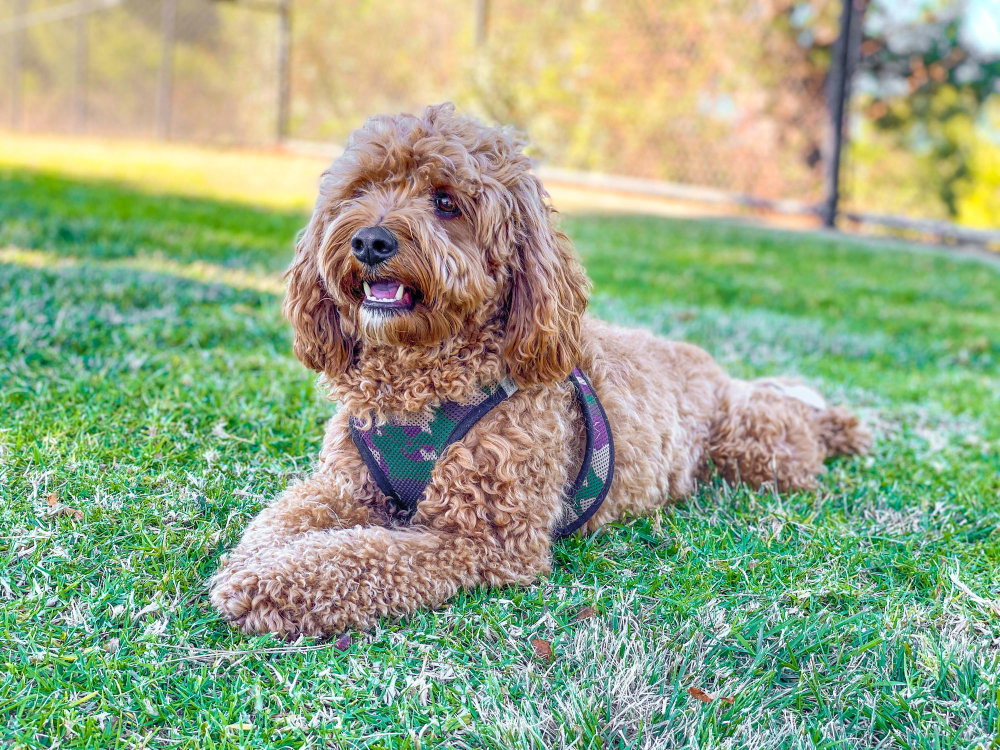


A Cavoodle is a Cavalier King Charles Spaniel and Poodle cross, also called a Cavapoo. They can be affectionate, engaging companions, but choosing one should involve more than a cute face or a promise about temperament.
Get to know the individual dog, ask about the parents and early experiences, and think about the time you can give to training, grooming and everyday care.

Cavoodle temperament and everyday behaviour
There is variation within any crossbreed. Early experiences, learning, health and the environment all matter. Avoid choosing a puppy on the assumption that combining two breeds guarantees the best qualities of both.
Are Cavoodles hypoallergenic?
No dog is guaranteed to be allergy-free. Some Cavoodles shed less visibly than others, but shedding and allergy risk are different things. If someone in your household has a dog allergy, seek advice from their doctor or allergy specialist before choosing a dog.
Are Cavoodles aggressive?
A Cavoodle can show fear, guarding or aggressive behaviour, just as other dogs can. A breed or crossbreed label does not guarantee safety. Supervise children and dogs actively, provide space to retreat and seek help for growling, snapping, biting or sudden behaviour changes.
Can Cavoodles be left alone?
Some cope comfortably with time apart; others need more support. Introduce short absences gradually while your dog remains comfortable. Exercise does not treat separation distress on its own. If your dog panics, tries to escape or cannot settle when alone, speak with your vet and a suitably qualified behaviour professional.
Do Cavoodles bark a lot?
Barking varies between individuals and situations. Notice what happens before it starts: a passer-by, an unfamiliar sound, frustration or being alone may be involved. Manage the situation and teach useful alternatives rather than assuming the dog is simply a noisy breed.
Exercise, sniffing and rest
Plan activity around your dog’s age, health, fitness and response. Include opportunities to sniff, short training sessions, play and undisturbed rest. There is no single exercise allowance that fits every Cavoodle.
Ask your vet about exercise for a growing puppy or a dog with health concerns. Our guide to walks and decompression explains how to adapt outings. For indoor options, see our rainy-day activity ideas.
Size, coat and grooming
How big will a Cavoodle grow?
Adult size varies with the parents and breeding history. Ask about both parents and the expected adult size, while allowing for variation. Labels such as toy or miniature are not a guarantee of a particular adult height or weight.
Coats can vary in texture and shedding. Arrange a grooming plan for your dog’s actual coat, including brushing down to the skin without pulling, checking for tangles and professional grooming where needed. A low-shedding coat can still require substantial upkeep.
Introduce brushing, handling and grooming equipment gradually with rewards. Ask your groomer or vet about coat, ear, eye and nail care rather than using one fixed schedule for every dog. Redness, soreness, odour or persistent discharge needs veterinary advice.
Food and health
Choose a complete, balanced diet suitable for your dog’s life stage. Puppies need food formulated for growth. Your vet can help with portions, body condition and any individual dietary needs.
Are Cavoodles healthier because they are crossbred?
Crossbreeding does not guarantee better health. A 2024 UK study of Cavapoos, Cockapoos and Labradoodles found broadly similar health to their parent breeds across most comparisons. Ask about relevant health screening, family history and veterinary care rather than relying on a hybrid-vigour claim.
The study used owner-reported information, so it does not predict the health of an individual puppy. A parent’s screening result also does not guarantee a puppy will never develop a health problem. Discuss relevant screening and ongoing care with your vet.
Lifespan varies. Regular veterinary care, suitable activity, nutrition and dental care are sensible parts of looking after your dog; they cannot promise a particular number of years.
Help your Cavoodle learn everyday skills
Start with the things your household needs: toilet training, comfortable handling, settling, coming when called and walking without pulling. Keep practice short and achievable, reward the behaviour you want, and adjust the situation when your dog is struggling.
Our Puppy Setup sessions and Puppy School can help with those foundations. For a specific concern, contact Jordan Dog Training.