The rain has settled in, the usual walk is looking doubtful, and your dog has started bringing you every toy in the house. Sound familiar?
You don’t need to turn the lounge room into a dog gym. Start with a little sniffing, a short game together and a chance to settle afterwards. Pick something your dog enjoys and keep it manageable.
Let their nose do some of the work
Start with an easy find-it game. While your dog watches, place a few pieces of their usual food in obvious spots around one room. Give them a simple cue, such as “find it”, and let them investigate.
For a closer look at what your dog is investigating, our guide to how dogs smell explains how their nose works and why sniffing deserves a place in their day.
Once they understand, make the hiding places slightly less obvious. Keep food away from electrical cords, furniture you don’t want investigated and anything unsafe. If you have more than one dog, give each their own space so there is no competition over food.
Have a game of tug
Tug can be a lovely way to play together. Choose a suitable toy with enough length to keep teeth away from hands. Keep the movement low and gentle, give your dog opportunities to let go, then invite them back into the game.
Use a non-slip surface and avoid lifting your dog off the ground or jerking their neck. If the game gets too excitable, pause and move to something quieter. Children need close adult supervision.
Teach a trick or practise the basics
Try a hand target, a short recall across the room, or going to a mat. Pick one thing, reward the little steps and finish while your dog is still enjoying it. If your dog gets it right a few times, that is a good place to finish. You can have another go later.
You can also practise something you already know. Ask for a sit before offering the next toy, or reward your dog for staying on their bed while you move a little further away. Our Puppy Setup sessions can help you build on these everyday skills.
Make mealtime interesting
You can use part of dinner for a food puzzle or slow feeder that suits your dog instead of adding a pile of extra treats. Start with an easy version and supervise while your dog learns how it works. Count the food towards their normal daily allowance and put damaged toys away.
Rotate a few favourites rather than leaving every toy out at once. Watch what your dog actually enjoys. Some love searching, others prefer playing with you.
Make room for a quiet afternoon too
Your dog doesn’t need entertainment every minute. After a toilet break and a little activity, offer a comfortable resting place and let the household settle. If your dog is worried by thunder, help them feel safe and seek individual advice rather than treating their distress as boredom. Our storm phobia guide explains how to prepare a safe retreat and when to involve your vet.
When conditions are safe, a short, quieter walk with time to sniff may still be possible. Keep away from floodwater, lightning and slippery surfaces, and adapt activity to your dog’s age and health.
If you have a young puppy, our Puppy School can help you turn these small moments into useful habits at home.
Keep toilet breaks on track
Rain can make toilet training harder when your puppy would rather stay inside. Keep offering regular opportunities to go out, go with them and reward them after they finish. Our puppy toilet training in the rain guide has more practical steps.
Practise comfortable time apart
A wet day at home can also be a chance for a little practice settling nearby without constant interaction. Keep it easy and comfortable. If your puppy becomes distressed when you move away, reduce the difficulty rather than leaving them to cry. See our guide to building a puppy’s confidence with time apart.
Do I need to keep my dog busy all day?
No. Offer a few enjoyable activities around their usual meals, toilet breaks and rest. If every activity leaves your dog more wound up, make the next one quieter and easier.
What can I try without buying anything?
Practise a familiar cue or hide a few pieces of their normal food in easy-to-find places. Start simply, supervise and let your dog have some success.
Further reading: Australian Veterinary Association Vet Voice: creating an enriching environment for your pet.
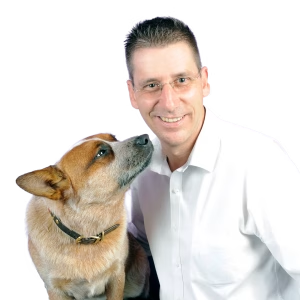
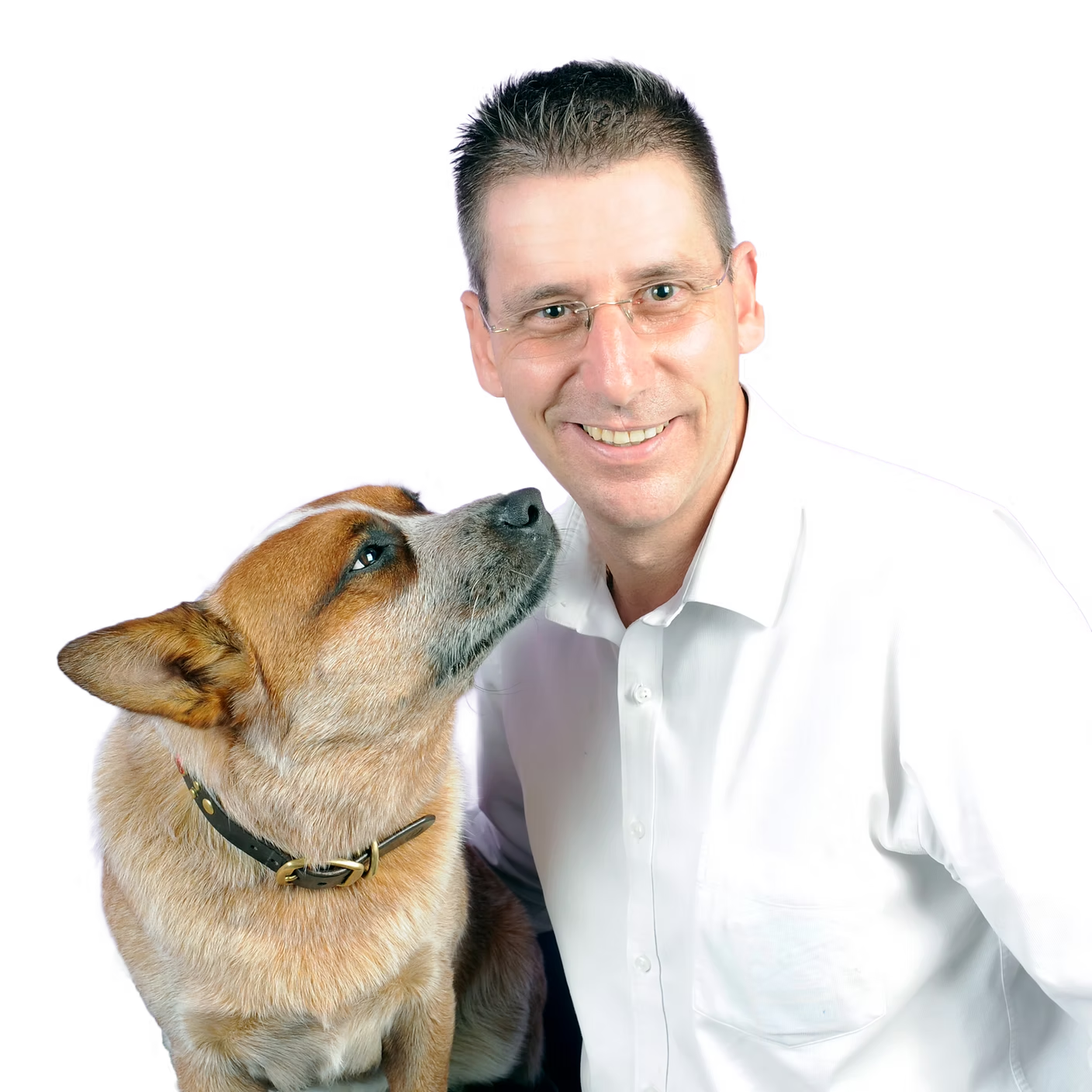
Justin Jordan is a dog behaviourist and the founder of Jordan Dog Training, a family-owned Brisbane business. With more than 35 years of experience in the pet industry, Justin and his team help families with puppy training, everyday manners and behaviour concerns.