
At Jordan Dog Training, we believe in supporting dogs not just with effective training, but with a holistic approach to their health and wellbeing. Canine hydrotherapy may form part of a veterinary rehabilitation or conditioning plan. Its suitability and likely benefits depend on the individual dog and the reason for treatment.
In this article, we’ll take a deep dive into what hydrotherapy involves, why it works, when it’s recommended, and the range of benefits it can offer your dog.
What Is Hydrotherapy for Dogs?
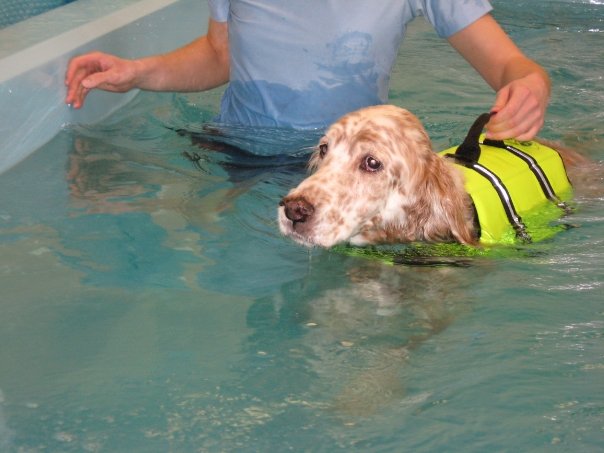
Hydrotherapy is a form of therapeutic exercise carried out in warm water, either in a purpose-built pool or on an underwater treadmill. It uses the properties of water — such as buoyancy, resistance, and hydrostatic pressure — to provide a low-impact but effective workout. The water supports your dog’s weight, allowing them to move and exercise without placing undue stress on joints, bones, or healing tissues.
Canine hydrotherapy is typically overseen by a qualified canine hydrotherapist and often integrated into a broader rehabilitation or conditioning program alongside veterinary physiotherapy, massage, or pain management protocols.
When Is Hydrotherapy Recommended?
Hydrotherapy is suitable for a wide range of dogs, including those recovering from injury or surgery, older dogs with age-related issues, or even healthy dogs needing a gentle exercise outlet.
Common uses include:
- Post-surgical rehabilitation (e.g. cruciate ligament repairs, spinal surgery, hip/elbow surgery)
- Chronic pain management, such as arthritis and degenerative joint disease
- Hip and elbow dysplasia
- Neurological conditions such as degenerative myelopathy or intervertebral disc disease (IVDD)
- Obesity and weight management, especially when land-based exercise is painful or not tolerated
- Muscle wastage or weakness due to injury, inactivity, or age
- Senior dogs with reduced mobility and stiffness
- Puppies with developmental orthopaedic concerns, under veterinary guidance
- Athletic or working dogs in need of fitness conditioning or recovery
The Benefits of Hydrotherapy for Dogs
Hydrotherapy offers a broad range of physical, mental, and emotional benefits, particularly when used as part of a structured recovery or fitness plan.
1. Joint-Friendly Exercise
Water supports some of a dog’s weight and can reduce loading on joints. Exercise still needs to be prescribed and monitored for the individual dog; water-based activity can be unsuitable or harmful in some circumstances.
2. Pain Relief and Improved Comfort
Warm water may support muscle relaxation and comfort. The rehabilitation team should select an appropriate temperature and exercise plan for your dog.
3. Improved Range of Motion
Hydrotherapy supports increased flexibility and joint mobility, especially in dogs recovering from surgery or managing degenerative conditions.
4. Muscle Strengthening
Water provides resistance that helps build and maintain muscle mass, particularly in dogs that have lost muscle tone due to injury, inactivity, or age.
5. Weight Loss Support
Dogs carrying extra weight may struggle with land-based activities. Hydrotherapy may support an individual weight-management and fitness plan alongside veterinary advice about nutrition and appropriate activity.
6. Neurological Benefits
For dogs with neurological impairments, hydrotherapy can help retrain movement patterns, improve balance and coordination, and build confidence in mobility.
7. Cardiovascular Health
Swimming or walking in water offers excellent cardiovascular conditioning, helping to keep dogs fit and healthy, particularly those not suited to traditional high-impact exercise.
8. Mental Stimulation and Confidence Building
Hydrotherapy can provide mental enrichment in a controlled, positive setting. Some dogs enjoy water-based activities, while others find them stressful. Sessions should respect the dog’s comfort, with no assumption that hydrotherapy treats anxiety.
What Happens in a Hydrotherapy Session?
A canine hydrotherapy session will usually start with a thorough assessment of your dog’s medical history, mobility, and goals. Sessions may take place in a heated hydrotherapy pool or on an underwater treadmill, depending on your dog’s needs and the facility.
Most hydrotherapists will:
- Use a supportive harness or floatation aid
- Guide your dog gently into the water
- Tailor session length and intensity to your dog’s condition
- Track progress over time in coordination with your vet or physiotherapist
Session length, support and rest breaks should be tailored to your dog. Ask the provider how they supervise treatment and respond to fatigue, pain or distress.
Who Can Perform Canine Hydrotherapy?
Canine hydrotherapy should always be performed by a qualified professional, ideally with accreditation or training in animal rehabilitation. Reputable hydrotherapy centres in Australia will often work in partnership with veterinary teams and have the necessary equipment to manage dogs with a variety of conditions.
It’s important to note that letting your dog swim in a backyard pool or lake is not the same as hydrotherapy, and in some cases, can actually make an injury worse. Always speak with your veterinarian before starting hydrotherapy.
Is Hydrotherapy Suitable for Every Dog?
Hydrotherapy is suitable for many dogs, but not all. Dogs with certain heart conditions, open wounds, uncontrolled seizures, or fear of water may not be good candidates — at least not without specialist guidance.
Your veterinarian and hydrotherapist will determine whether hydrotherapy is safe and appropriate based on your dog’s medical history and individual temperament.
Where to Find Canine Hydrotherapy in Australia
Hydrotherapy facilities for dogs are now more accessible than ever across Brisbane, Sydney, Melbourne, and many regional centres. Some operate within veterinary rehab clinics, while others are independent canine wellness centres. At Jordan Dog Training, we’re happy to refer you to trusted professionals we know and work with in the rehabilitation space.
If your dog has recently had surgery or been diagnosed with a condition that affects movement, your vet may include hydrotherapy as part of their recovery plan.
Final Thoughts
Hydrotherapy can be a useful part of rehabilitation or conditioning for suitable dogs. Benefits and risks vary, so begin with a veterinary assessment and a plan delivered by an appropriately trained professional.
If you’re curious about whether hydrotherapy could benefit your dog, feel free to get in touch with the team at Jordan Dog Training. We’re more than happy to answer questions or help connect you with a qualified hydrotherapist in your area.
Veterinary Disclosure
Jordan Dog Training does not offer hydrotherapy services directly and this article is provided for general informational purposes only. We recommend discussing your dog’s individual health needs with your veterinarian before starting any form of rehabilitation or hydrotherapy. A referral to a qualified and reputable canine hydrotherapist should always be sought to ensure your dog’s safety and wellbeing.
Further reading: veterinary rehabilitation and rehabilitation modalities, VCA Animal Hospitals.
Cover photograph: Dog on underwater treadmill by MAJic2288, licensed under CC BY-SA 3.0. Original photograph reproduced without retouching. This is not a Jordan Dog Training facility.

Justin Jordan is a dog behaviourist and the founder of Jordan Dog Training, a family-owned Brisbane business. With more than 35 years of experience in the pet industry, Justin and his team help families with puppy training, everyday manners and behaviour concerns.