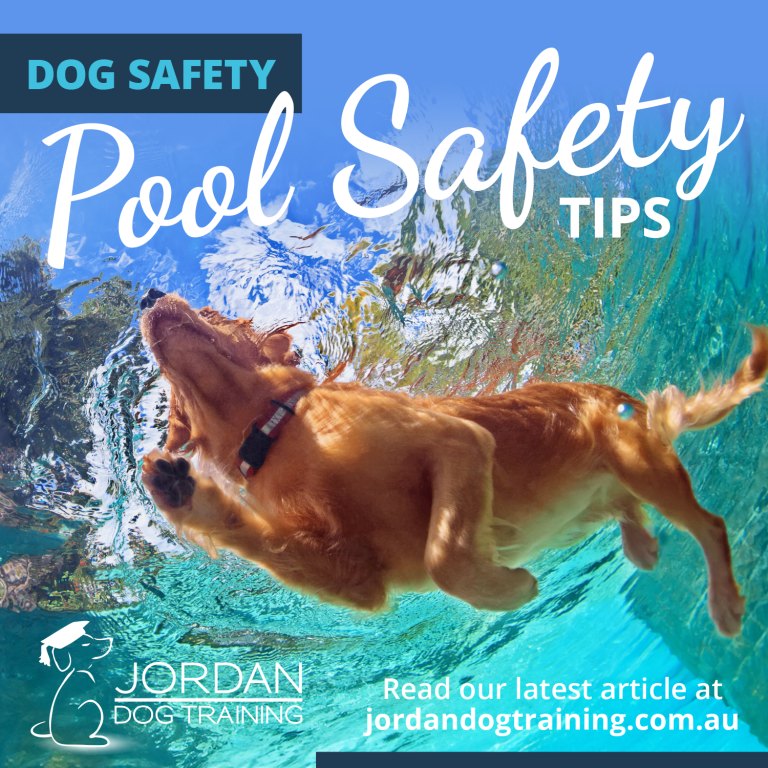

Being able to swim does not make a dog safe around a pool. Exhaustion, difficulty finding an exit and unsupervised access can all lead to trouble. Plan the setup before allowing a swim.
Prevent unsupervised access
Keep the pool area secure and check that your own dog cannot squeeze through, climb or get around the barrier. Do not prop the gate open. A flotation aid or familiar pool does not replace supervision.
Introduce water without forcing it
Not every dog enjoys swimming or copes well in water. Start gradually, allow a choice to stay out and ask your vet about suitability if your dog has health or mobility concerns. Never throw a dog into the pool to teach them.
Practise getting out
Show your dog the actual exit and practise reaching it from short, manageable distances. Steps or an appropriately secured dog ramp may help. Do not assume a dog will find an exit because people can see it easily.
Keep swims manageable
Watch continuously and stop before your dog tires. A properly fitted dog life jacket can add support, but it cannot guarantee safety. Offer breaks, shade and fresh drinking water. Discourage drinking pool water and avoid games that involve swallowing lots of water.
After the swim
Rinse off pool water with fresh water. Store chemicals securely and follow pool-product directions about safe access after treatment. Ask your vet about skin or ear concerns rather than applying products by guesswork.
If your dog has been submerged or rescued from drowning, contact an emergency vet immediately, even if they appear to recover. Breathing difficulties, weakness or collapse need urgent care. Keep yourself safe during any rescue.
Our water-seeking and thirst guide covers further warning signs.
Sources

Justin Jordan is a dog behaviourist and the founder of Jordan Dog Training, a family-owned Brisbane business. With more than 35 years of experience in the pet industry, Justin and his team help families with puppy training, everyday manners and behaviour concerns.