A recent death in New South Wales from Australian Bat Lyssavirus (ABLV) has prompted renewed public warnings — and for good reason. While the disease is rare, it is almost always fatal once symptoms appear, and both humans and animals — including dogs — are potentially at risk.
At Jordan Dog Training, we believe in education without fear. This blog post is intended purely as an information resource to raise awareness, help you make informed decisions, and support the safety of your amazing dogs. We also work closely with Brisbane’s leading veterinarians to ensure our advice always aligns with best practice in canine welfare and public health.
What is Australian Bat Lyssavirus?
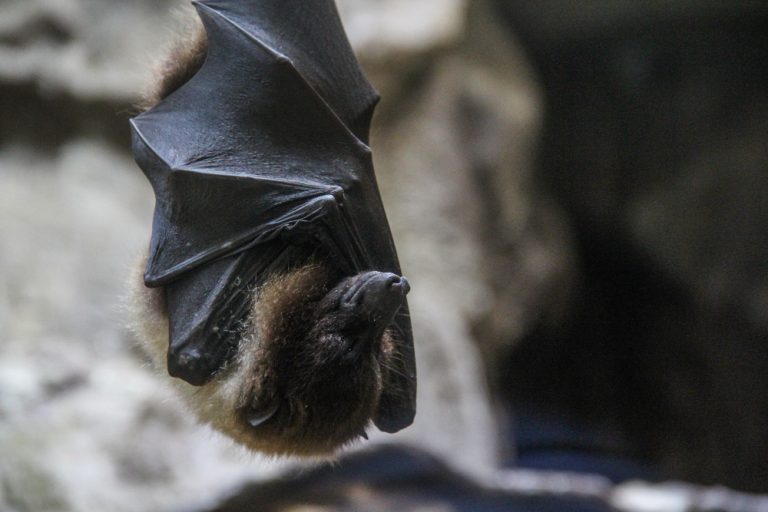
Australian Bat Lyssavirus (ABLV) is a rabies-like virus found only in Australia. First identified in 1996, it is carried by some bat species — including flying foxes (fruit bats) and microbats — and causes a fatal neurological disease in humans and animals once symptoms develop.
ABLV belongs to the same family of viruses as classic rabies and is treated similarly in potential exposure cases.
How Common Is ABLV in Bats?
ABLV is rare.
- In healthy wild bats: less than 1% carry the virus.
- In sick, injured, or grounded bats: up to 10% may test positive for ABLV.
Despite the low prevalence, the risk is taken seriously because there is no cure once symptoms appear. Only immediate post-exposure treatment can prevent the disease from progressing.
Which Bat Species Are Known to Carry ABLV?
Confirmed species include:
- Black flying fox (Pteropus alecto)
- Grey-headed flying fox (Pteropus poliocephalus)
- Little red flying fox (Pteropus scapulatus)
- Spectacled flying fox (Pteropus conspicillatus)
- Yellow-bellied sheathtail bat (Saccolaimus flaviventris) — a species of microbat
While only a few species have been confirmed as carriers, all Australian bats are considered potential hosts. No bat that is sick, injured, or behaving abnormally should ever be handled by the public.
Where Are These Bats Found?
Bats are common across Australia, particularly in Queensland. You’re likely to encounter them in:
- Suburban parks and gardens
- Fruit orchards and bushland
- Urban trees (including those in schoolyards and hospitals)
- Roof spaces and sheds (especially microbats)
Flying fox colonies are especially common in Brisbane, Ipswich, Logan, the Gold Coast, and Far North Queensland.
Local councils such as Brisbane and Logan may also publish maps or alerts when flying foxes are roosting near residential areas — it’s worth checking your local council’s website if you live near creeks, parks, or forest edges.
Can Dogs Catch ABLV?
Yes — while rare, dogs can potentially be infected if they are bitten or scratched by an infected bat. The virus is transmitted through saliva entering broken skin or mucous membranes.
There is currently no registered ABLV vaccine for dogs in Australia, so prevention and prompt veterinary oversight are critical. Dogs are naturally curious and may approach or interact with grounded or low-hanging bats, especially in suburban settings.
Veterinary clinics across Southeast Queensland do occasionally see dogs who have picked up or mouthed injured bats — so this is a real, if uncommon, risk.
Can ABLV Spread Through Bat Droppings or Urine?
No. According to Queensland Health and other veterinary authorities, ABLV is not spread through:
- Bat droppings (guano)
- Urine or blood
- Being near bats or walking in areas where bats roost
Only bites, scratches, or contact with infected saliva through broken skin or mucous membranes pose a transmission risk.
Is ABLV Harmful to Bats?
Yes. Infected bats develop progressive neurological symptoms including:
- Disorientation
- Inability to fly
- Paralysis or abnormal behaviour
- Eventual death
Not all infected bats show symptoms early on, so even a bat that appears calm or still can still be infectious.
Signs a Bat May Be Infected
Bats displaying any of the following signs may be unwell — and potentially infected:
- Active during daylight hours (bats are nocturnal)
- Lying on the ground or hanging low in trees
- Flying poorly or unable to fly
- Confused or unresponsive
- Excessively vocal or unusually agitated
These behaviours are not exclusive to ABLV but always warrant caution and professional handling.
What NOT to Do if You Find a Bat or Your Dog Interacts With One
- Do not try to remove a bat from your dog’s mouth or body
- Do not pick up or move a grounded bat
- Do not assume a calm or still bat is safe — it may be sick or infected
- Do not allow dogs near trees where bats roost, especially around dawn and dusk
Instead, contact professionals who are trained and vaccinated to assist.
Wildlife Rescue Contacts in Southeast Queensland
If you see a bat in distress or need help removing one from your property, call:
- RSPCA QLD – 1300 ANIMAL (1300 264 625)
- Bat Conservation & Rescue QLD – www.bats.org.au
- Wildcare Australia – www.wildcare.org.au
- Department of Environment (Qld) – 1300 130 372
These teams are equipped to handle bats safely and ethically.
Veterinary Guidance: What to Do If a Dog Has Contact With a Bat
If your dog is bitten, scratched, or has interacted with a bat:
- Do not attempt to handle the bat
- Safely move your dog away from the area
- Contact your veterinarian immediately
Post-Exposure Management (Veterinary Guidelines)
Veterinarians will:
- Conduct a risk assessment
- Apply for authorisation to use a rabies vaccine under APVMA permit PER14236 if appropriate
- Begin post-exposure monitoring and treatment if needed
This is managed under strict veterinary protocols and may involve consulting the Chief Veterinary Officer.
What If a Person Is Bitten or Scratched?
ABLV is also fatal to humans without prompt treatment. If someone is bitten or scratched:
- Wash the area with soap and water for at least 15 minutes
- Apply an antiseptic such as iodine or an alcohol-based solution
- Seek medical attention immediately for rabies post-exposure prophylaxis
Early treatment is highly effective if given promptly.
Teaching Children to Be Bat Safe
Children are naturally curious. To keep them safe:
- Teach them to never touch a bat — even one that looks hurt
- Encourage them to always tell an adult if they see a bat on the ground
- Reinforce that only trained wildlife carers should help bats
Final Takeaways
- ABLV is extremely rare but almost always fatal once symptoms begin
- Dogs can become infected if bitten or scratched by an infected bat
- The virus is not spread through droppings, urine, or proximity
- Brisbane’s veterinarians and wildlife carers are trained to manage these situations safely
- Never handle a bat — contact the RSPCA or a registered wildlife rescue organisation
At Jordan Dog Training, we prioritise the health, safety, and welfare of every dog in our care. We work closely with Brisbane’s leading vets and wildlife professionals to ensure the advice we give is current, practical, and in your dog’s best interests.
If you have any concerns about your dog’s exposure to wildlife or want more guidance on safety around bats, please speak to your vet or reach out to us directly.
Give your amazing dog a pat from us.
The Jordan Dog Training Team
Disclaimer: The information provided in this blog is intended as general guidance and is based on our experience as dog trainers and behaviourists. It is not veterinary advice and should not replace consultation with a qualified veterinarian. If you have any concerns about your dog’s health, wellbeing, or possible contact with a bat, please speak with your vet immediately.
Related Jordan Dog Training Blogs You May Find Useful
- What To Do If Your Dog Eats Something Dangerous
- Do You Have an Itchy Dog? Causes and Solutions
- Let Dogs Be Dogs: The Hidden Costs of Humanising Our Pets
- How to Stop Dog Fights: Prevention, Intervention and Recovery
- Dog Park Etiquette and Safety: Is It Right for Your Dog?
- Teaching Children How to Be Safe Around Dogs