Suspected heatstroke is an emergency. Stop the activity, start cooling your dog and contact a vet immediately. Do not wait for collapse or a particular thermometer reading.
Hot, humid weather can make it difficult for dogs to lose heat. Exercise can also cause dangerous overheating. For Brisbane families, planning a cooler outing matters more than completing the usual walk.
What is heatstroke?
Heatstroke is severe heat-related illness that can damage organs and be fatal. Dogs lose heat mainly through panting, but this can be overwhelmed by heat, humidity, exertion or breathing difficulties.
A temperature number is not a safe home test for deciding whether to seek help. If your dog appears to be overheating or struggling after heat exposure or exercise, act straight away. Do not delay cooling to find a thermometer.
Signs that need urgent attention
- Heavy panting, distressed or noisy breathing.
- Restlessness, drooling or reluctance to keep moving.
- Unusually red or pale gums, vomiting or diarrhoea.
- Weakness, confusion, stumbling, seizures or collapse.
Signs vary. You do not need to see every sign before calling for help.
What to do immediately
- Stop exercise and get out of the heat. Move to shade or a cooler, well-ventilated area.
- Start cooling straight away. Pour cool water over your dog’s body, keeping water away from the nose and mouth. Use a fan or air conditioning to help heat escape. Do not delay while looking for a special cooling product.
- Call the nearest vet or emergency animal hospital. If someone is with you, ask them to phone while you start cooling. Follow the vet’s instructions for your dog and arrange urgent transport. The Royal Veterinary College describes the priority as “cool first, transport second”.
- Offer small sips only if your dog can drink normally. Do not force water into their mouth.
- Continue towards veterinary care. Use the car’s air conditioning where available. Apparent improvement does not rule out internal injury or later complications.
Reducing the risk
Provide fresh drinking water and a cool place to rest with good airflow. In hot or humid conditions, shorten, change or skip strenuous activity. Early morning and evening can be cooler, but check the conditions and your individual dog rather than relying on the clock.
Flat-faced dogs, older dogs, overweight dogs and dogs with health problems can be particularly vulnerable. Ask your vet about appropriate activity for your dog. A cooling mat or vest does not make exercise in unsafe conditions safe.
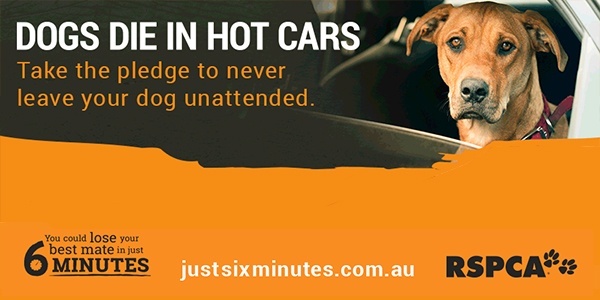
Never leave your dog unattended in a car. Shade and partly open windows do not provide reliable protection. Hot ground can also burn paws and add to heat exposure.
Keep the number and location of your nearest after-hours vet handy before you need it.
Download the heatstroke factsheet
Download our updated heatstroke factsheet (PDF), revised 21 October 2026. Keep it handy with your emergency vet’s contact details.
Veterinary guidance