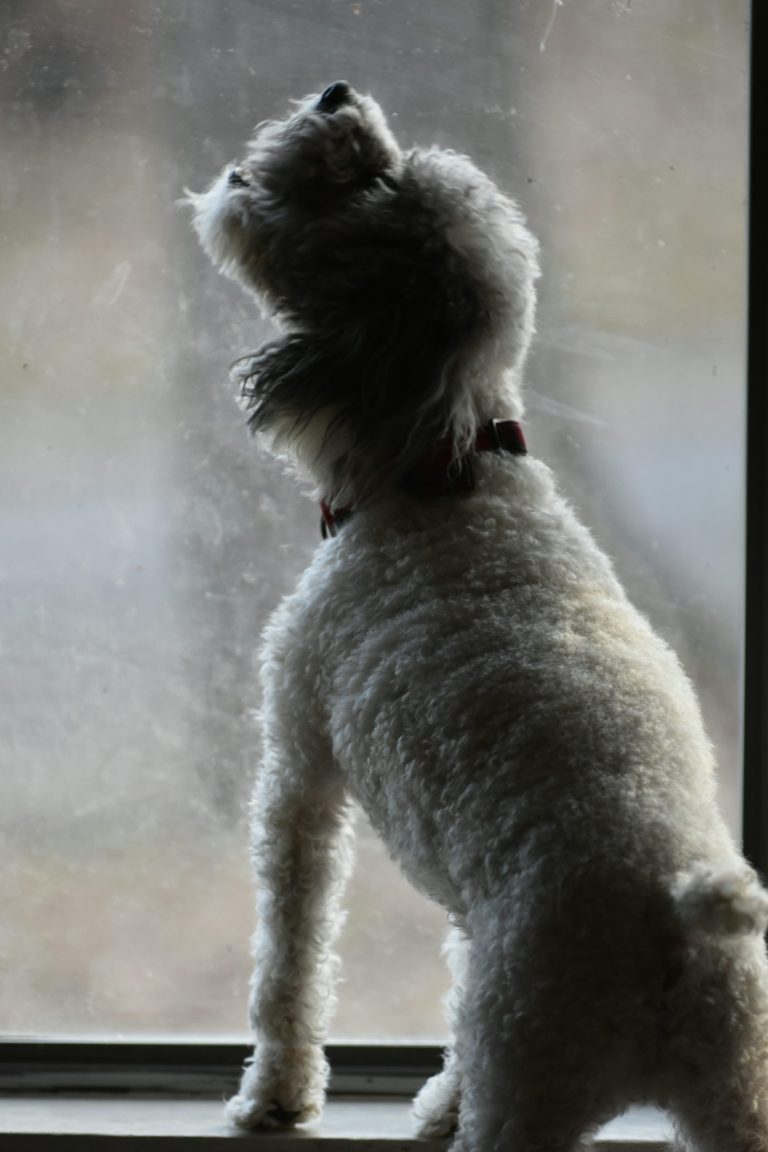

An ambulance goes past, your dog lifts their head and suddenly the whole street has a backing singer. Some dogs answer almost every siren. Others barely look up.
Howling is one of the ways dogs communicate, and sirens can trigger that response. What matters is how your dog looks and behaves before, during and after the sound. A brief howl from a relaxed dog is a different situation from a dog who is frightened and struggling to settle.
Why do dogs answer a siren?
The exact reason is not settled. A siren may prompt a vocal response in a similar way to another dog howling, but we cannot know that every dog mistakes an emergency vehicle for a distant canine. It is better to describe what we can see than assign a definite message to the howl.
Dogs also vary in how they respond to sounds. Researchers studying 68 dogs from 28 breeds found differences in their reactions to recordings of wolf howls. That study helps explain individual variation, but it tested wolf calls, not ambulance sirens. It cannot tell us exactly what your dog is thinking when one goes past.
Look at the whole dog
Notice whether your dog remains loose and comfortable, can turn their attention back to you and returns to what they were doing once the siren has passed. A howl on its own does not prove that their ears hurt, and it does not prove that they are enjoying the sound either.
Hiding, trembling, trying to escape, repeated pacing or taking a long time to recover are reasons to take the situation seriously. Avoid playing loud siren recordings to test your dog or make a funny video.
What you can do
If your dog gives a short howl and settles comfortably, you may not need a training programme. Keep your own response calm. There is no benefit in shouting over the top of them.
If they seem worried, help them move away from the noise. At home, offer access to a quieter familiar room and close nearby windows if practical. On a walk, keep a secure hold of the lead and create distance from the road when it is safe to do so. Allow them time to recover.
For a dog who is comfortable enough to learn, practise an easy cue such as coming to you or settling on a mat during quiet times. Reward those skills so they are familiar before you need them. If sirens regularly cause distress, ask for an individual plan rather than repeatedly exposing your dog to a sound they cannot cope with.
When to speak with your vet
Arrange a veterinary check if howling is new, increases noticeably or occurs alongside other changes in your dog. Howling can also accompany pain, illness or distress when left alone. A recording made during a naturally occurring episode may help your vet or behaviour professional understand the pattern, provided you can make it without putting your dog under more pressure.
For practical help, contact Jordan Dog Training. Our guide to supporting calm in dogs also looks at everyday ways to help a dog feel more comfortable.
Sources and further reading
ASPCA: Howling; VCA Animal Hospitals: Why Do Dogs Howl?; American Kennel Club: Why Do Dogs Howl?; University of Zurich: research into dogs’ responses to wolf howls.
Photograph: Lesli Whitecotton on Unsplash. Illustrative photograph.
Give your dog a pat from us.

Justin Jordan is a dog behaviourist and the founder of Jordan Dog Training, a family-owned Brisbane business. With more than 35 years of experience in the pet industry, Justin and his team help families with puppy training, everyday manners and behaviour concerns.