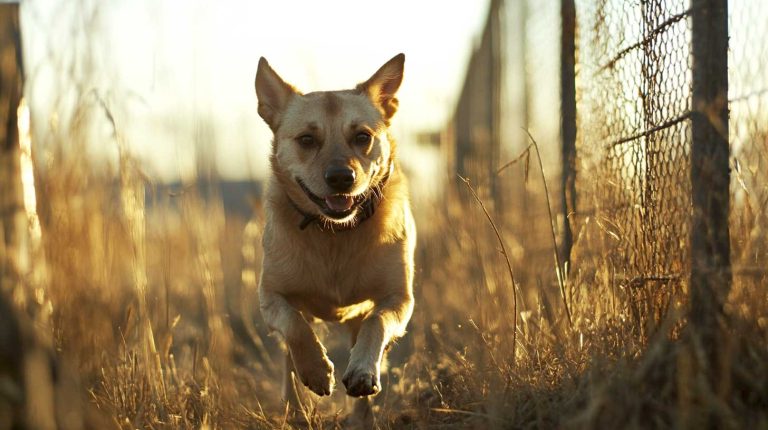

Fence running, where dogs race along the fence line barking at neighbours’ dogs or passers-by, might start as harmless fun but can quickly escalate into serious behaviours like fence frustration, fence aggression, or even redirected aggression. Left unchecked, it can disrupt your home, strain relationships with neighbours, and put your dog at risk of injury or behavioural setbacks.
At Jordan Dog Training, we understand how challenging this behaviour can be. This guide offers practical starting points for reducing fence running. Dogs who lunge, snap or threaten other dogs or people need an individual safety and behaviour plan.
Why Do Dogs Fence Run?
Fence running often stems from instinctual and behavioural triggers. Identifying these triggers is the first step to resolving the problem.
- Territorial Instincts. Dogs are naturally territorial, and a fence amplifies their drive to protect their space. The sight or sound of another dog or passer-by can trigger a strong defensive response.
- Barrier Frustration. When dogs cannot interact directly with what’s on the other side of the fence, frustration builds up. This manifests as barking, lunging, and obsessive running.
- Boredom and Lack of Stimulation. A bored dog with insufficient mental or physical exercise often finds ways to entertain themselves, and fence running can become a self-rewarding outlet.
- Adrenaline and Habit Formation. Repeated fence running can become a well-practised pattern. Preventing repeated episodes is part of helping your dog learn a different response.
- Social Facilitation. When neighbouring dogs engage in similar behaviours, they fuel each other’s reactions, escalating the problem. Behaviour at a fence does not tell you whether the dogs would be safe together. Do not remove the barrier to test their reaction.
- Stress or Anxiety. Fence running can also stem from underlying stress or anxiety, such as separation anxiety, fear of loud noises, or a lack of confidence.
Why You Should Address Fence Running
While it may start as manageable, fence running can lead to serious issues:
- Fence Aggression: Over time, excitement can turn into aggression, with barking, lunging, growling, and snapping becoming the norm.
- Redirected Aggression: Overstimulated dogs may redirect frustration onto family members or other pets.
- Physical Risks: Continuous running or lunging at the fence can cause injuries or lead to escape attempts, putting your dog at risk.
- Neighbour Frustration: Persistent barking and reactive displays can strain relationships with neighbours, potentially leading to complaints or legal issues.
A Comprehensive Programme to Stop Fence Running
Step 1: Manage the Environment
Environmental management is key to reducing triggers and preventing setbacks, especially when you’re not home.
- Block Visual Access: Use temporary barriers such as tarps, bamboo rolls, or landscaping to block your dog’s view of neighbouring dogs or passers-by.Caution: Blocking visibility doesn’t work for every dog and may increase frustration. Test temporary solutions first before committing to permanent changes.
- Create a Buffer Zone: Set up an interior fence or plant shrubs a few metres from the main fence to prevent direct access to the fence line.
- Enrichment When You’re Away: Provide interactive toys, puzzle feeders, or long-lasting chews to keep your dog mentally engaged.Limit unsupervised access to the yard if triggers are present.
- Monitor with Technology: Install a pet camera to observe your dog when you’re away. Identifying triggers can help you adjust your strategy.
Step 2: Work with your neighbours safely
Start with a practical arrangement that keeps the dogs apart. You might agree on separate yard times, keep gates secure and discuss screening or a buffer fence. The aim is a quieter boundary, not making the dogs become friends.
Do not bring dogs together in either yard simply because they seem calmer through a fence or on a walk. Removing a barrier can expose both dogs and their handlers to injury. Shared toys, food and confined spaces can add further difficulty.
If a suitably qualified professional assesses both dogs and recommends parallel walks, use separate capable adult handlers and enough distance for both dogs to remain comfortable. Avoid face-to-face greetings and do not close the gap on a timetable. If either dog stiffens, stares, lunges or cannot disengage, increase distance and stop the session if needed.
Parallel walking is not suitable for every pair and does not establish that off-lead play or shared yard visits will be safe. Some neighbours’ dogs will need ongoing separation, and that is a reasonable outcome.
Step 3: Train to Redirect Behaviour
Training helps redirect your dog’s focus and teach them calmer responses to triggers.
- Impulse Control: Teach commands like “sit,” “stay,” and “look at me.”
- Counter-Conditioning and Desensitisation: Gradually expose your dog to triggers, starting at a distance where they remain calm, and pair the trigger with rewards to change their emotional response.
- Recall Training: Practise calling your dog away from the fence when no trigger is present, rewarding them for coming to you. A recall is not a substitute for secure separation. Do not reach for the collar of a dog who is lunging or snapping.
Step 4: Review Diet and Health
A balanced diet and good health are essential to managing behaviour.
- Balanced Nutrition: Consult your vet if you have concerns about your dog’s diet, appetite or health. A diet change is not a substitute for managing triggers and assessing behaviour.
- Health Check: Speak with your vet about potential underlying health or anxiety issues.
Step 5: Patience, Consistency, and Professional Help
Behavioural change takes time, consistency, and sometimes professional guidance. Contact Jordan Dog Training for expert advice and tailored plans.
Final Thoughts
Fence running can be disruptive and dangerous, but with the right strategies, collaboration, and consistency, you can transform this behaviour. At Jordan Dog Training, we’re here to help you and your dog succeed.
Contact us today for support tailored to your dog’s needs!
If there has been snapping, biting, escape attempts or redirected aggression, keep children and other pets away from the trigger area and seek veterinary advice and qualified behaviour support. Avoid shouting, lead corrections or physically confronting the dog.
Further reading: VCA: Aggression towards unfamiliar dogs.

Justin Jordan is a dog behaviourist and the founder of Jordan Dog Training, a family-owned Brisbane business. With more than 35 years of experience in the pet industry, Justin and his team help families with puppy training, everyday manners and behaviour concerns.