
Separation Anxiety in Dogs
Separation anxiety in dogs involves distress associated with separation. It is more than simply being bored or preferring company. If your dog struggles when left alone, speak with your vet so health concerns and the behaviour can be assessed together. The inevitable truth of owning a dog is that you will have to leave them alone at times, no matter how much we don’t want to! Many dog owners must leave for work for upwards of 8 hours a day, meaning their dogs are left without social interaction and exercise for a large portion of their day.Effects of Separation Anxiety on Your Dog’s Behaviour
Barking, howling, pacing, house soiling, chewing and escape attempts can occur when a dog is distressed. These behaviours can also have other causes, so they do not establish a diagnosis on their own. Notice when they happen and what else your dog is doing.Preventing Separation Anxiety in Dogs & Puppies
Start with manageable experiences of time apart and increase gradually according to your dog’s response. If distress develops, make the next step easier and seek advice. A camera can support observation, but products alone do not prevent or treat separation anxiety.Separation Anxiety Dog Training
An individual plan may include gradual training, changes to the home routine and veterinary treatment. Avoid absences that repeatedly overwhelm your dog where practical, and arrange suitable care while working on the plan.1. Observe before extending an absence
Watch for comfort as well as signs of distress. Our independent Furbo pet camera information explains tracking, alerts, recording limits and practical monitoring. We are not affiliated with Furbo and do not sell its cameras.
2. Build time apart gradually
Practise at a level your dog can manage. Our counterconditioning and desensitisation guide explains the learning principles.
3. Support everyday needs
Provide suitable activity, rest and companionship. Exercise supports wellbeing but is not a substitute for anxiety treatment. If your dog is panicking or risking injury, contact your vet promptly.
Dog Toys for Separation Anxiety
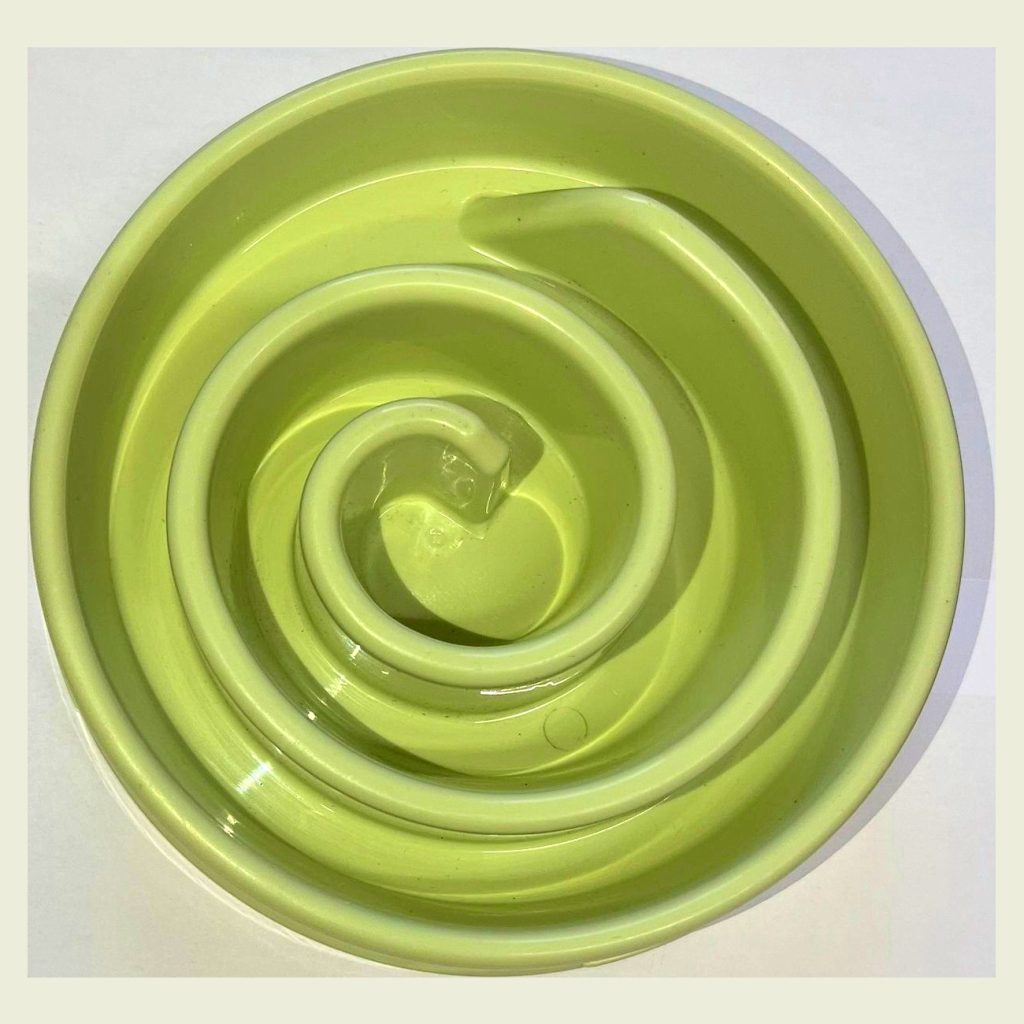
Food toys or licking mats may provide suitable enrichment for some dogs. Introduce and supervise new items first, and check that they suit the dog. They cannot be relied on to resolve separation anxiety, and a distressed dog may not eat. Avoid assuming an item will safely occupy every dog for hours.How Jordan Dog Training Can Help with Separation Anxiety
If you’re struggling to help your dog with their separation anxiety, you can enlist the help of an expert dog trainer from Jordan Dog Training. The team offers home dog training services that can be targeted specifically to help with separation anxiety and other behavioural issues. Contact the team online today.Further reading: RSPCA Australia guidance on anxiety when left alone. Updated 13 October 2026.
Dogs that enjoy close contact still need support to feel comfortable apart. Our Australian Cobberdog profile explains the difference between an affectionate companion and a dog showing distress, alongside practical questions for prospective owners.