
From: $35.00
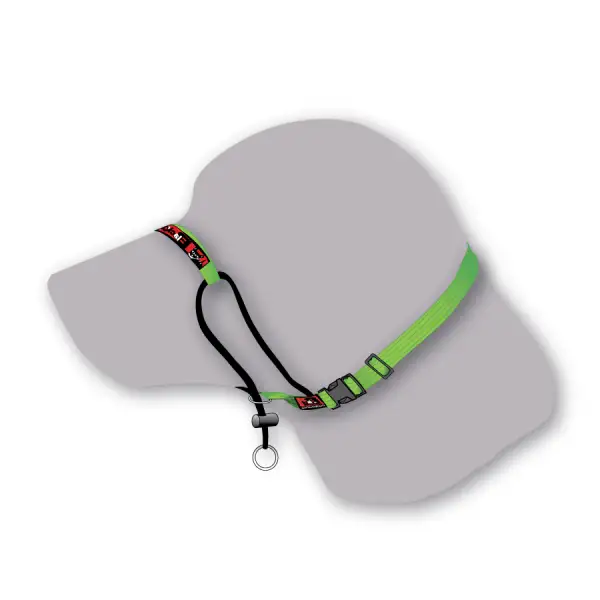
The Black Dog Training Halter is a practical training tool for dogs that pull on the lead. Its adjustable design helps you guide your dog’s head while teaching calm, loose lead walking.
The nose bridge strap is designed to stay in place as your dog moves. The lead attaches to the ring beneath the chin, giving the handler gentle directional control without relying on harsh corrections.
We have recommended Black Dog training halters to our clients for many years. Like any training tool, they work best when fitted correctly, introduced gradually and used alongside consistent training.
Use a soft tape measure around your dog’s neck, high behind the ears. Take a snug measurement and compare it with the chart below.
| Size | Neck measurement |
|---|---|
| Mini | 20–35cm |
| Small | 27–37cm |
| Medium | 35–52cm |
| Large | 43–68cm |
| Extra-Large | 58–94cm |
The size ranges overlap because the noseband and cords allow for adjustment. If your dog falls between two sizes, the smaller size will generally provide the better fit. However, a growing dog may need the larger size.
Do not simply put the halter on and immediately expect your dog to walk normally. Give your dog time to become comfortable with the feeling of something around their muzzle.
Start by letting your dog sniff the halter. Reward them for placing their nose through the noseband, then build up to wearing it for short periods. Keep these early sessions calm and positive.
When first introducing the halter, we recommend using a Double Ended Dog Lead. Attach one end to the training halter and the other to your dog’s regular collar. This provides a separate collar connection while your dog becomes comfortable with the halter.
Check the fit regularly, especially during the first few walks.
Use the training halter during supervised walks only. Keep the lead handling light and avoid sharp jerks or sudden corrections.
Never use the halter to tether your dog. Remove it when your dog is unattended, resting in a crate or playing with other dogs.
A training halter helps provide guidance, but it does not replace training. Reward your dog when the lead is loose and when they choose to walk calmly beside you.
If you need help teaching your dog to walk nicely on lead, our Group Obedience Classes can help.