

You stand up, your puppy stands up. You walk to the kitchen, they follow. Even a trip to the bathroom comes with company.
We often call this a “Velcro puppy”. Following you around doesn’t, on its own, mean your puppy has separation anxiety. What matters is how they cope when they can’t be with you.
You don’t have to stop enjoying your puppy’s company. We want to help them feel comfortable when you step away, as well as when you are sitting beside them.
Begin while you are still nearby
Choose a comfortable resting area where your puppy can relax. After a toilet break, introduce the space while you sit nearby. Reward them for choosing to rest there and offer an appropriate activity if they enjoy one.
Practise at a time when their needs are met. A hungry puppy who needs the toilet is unlikely to settle just because you have put a bed in the right place.
Build time apart in small steps
Make the first step easy enough that your puppy stays comfortable. For one puppy, that may be you standing up from the chair. Another may be happy while you walk a few steps across the room. Return before they become worried, then repeat at a similar or easier level.
Repeat the easy version before asking for more. If you have just walked further away, keep that attempt brief rather than also staying away longer. Some puppies need very small steps, and progress may vary from day to day.
Being comfortable behind a gate while watching you is useful practice, but it doesn’t necessarily mean your puppy is ready for a long absence from the house.
Watch the puppy, not just the clock
A relaxed puppy may continue exploring, eating or resting. Repeated pacing, panting when not hot, drooling, escalating vocalisation or frantic attempts to reach you suggest they are struggling.
If this happens, calmly help them feel safe and make the next session easier. Waiting for an exhausted puppy to stop crying doesn’t tell you they have become comfortable.
A camera can help you see what happens during a brief absence. Watch the whole picture, including movement and body posture. Silence alone doesn’t establish that your puppy is relaxed.
Enrichment can help, but it has limits
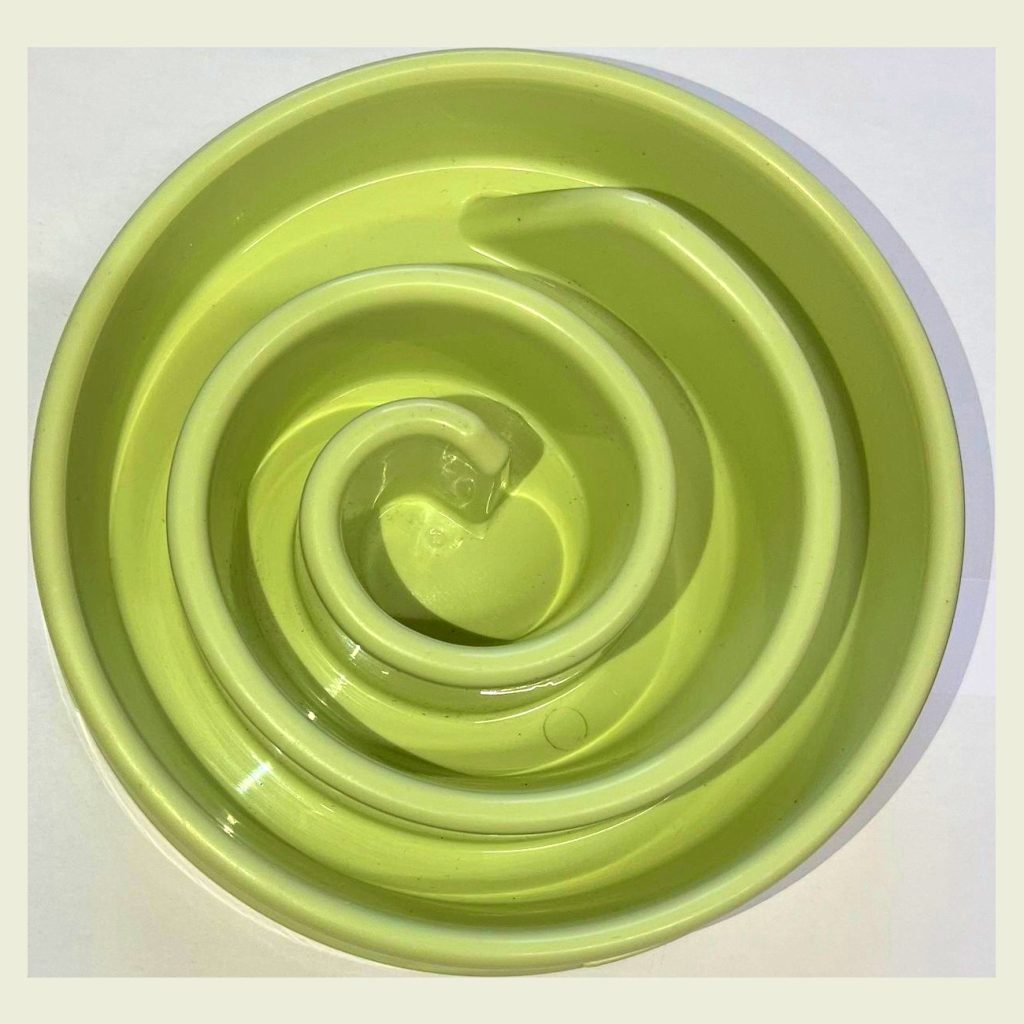
A suitable food toy may make a short practice session pleasant. Introduce it with supervision first and check that your puppy can use it safely.
A puppy who is too distressed to eat needs a different approach. More toys or a longer walk won’t necessarily resolve separation anxiety. Crate training is not for every dog. Crates need a positive introduction, and confinement can make things harder for some dogs.
Get help when your puppy is distressed
Speak with your vet about persistent distress, toileting changes, destructive escape attempts or any injury. They can assess health factors and help arrange an appropriate behaviour plan.
While getting support, use suitable company where possible so your puppy isn’t repeatedly left in situations they cannot manage. There is no single timetable that suits every dog.
Our Puppy School and Puppy Setup sessions can help with everyday foundations and recognising when more individual support is needed. You can enjoy a close relationship while helping your puppy learn to feel secure during time apart.
Have I caused this by cuddling my puppy?
Following you and enjoying affection do not establish separation anxiety or tell us its cause. Look at how your puppy actually copes with time apart, and build from what they can manage comfortably.
Should I leave them to cry until they stop?
Do not use prolonged crying or panic as the training plan. Check their needs, help them feel safe and make the next practice easier. Ongoing distress needs individual support.
Further reading: RSPCA: distress during separation; AVA Vet Voice: separation anxiety; RSPCA: puppy life skills.