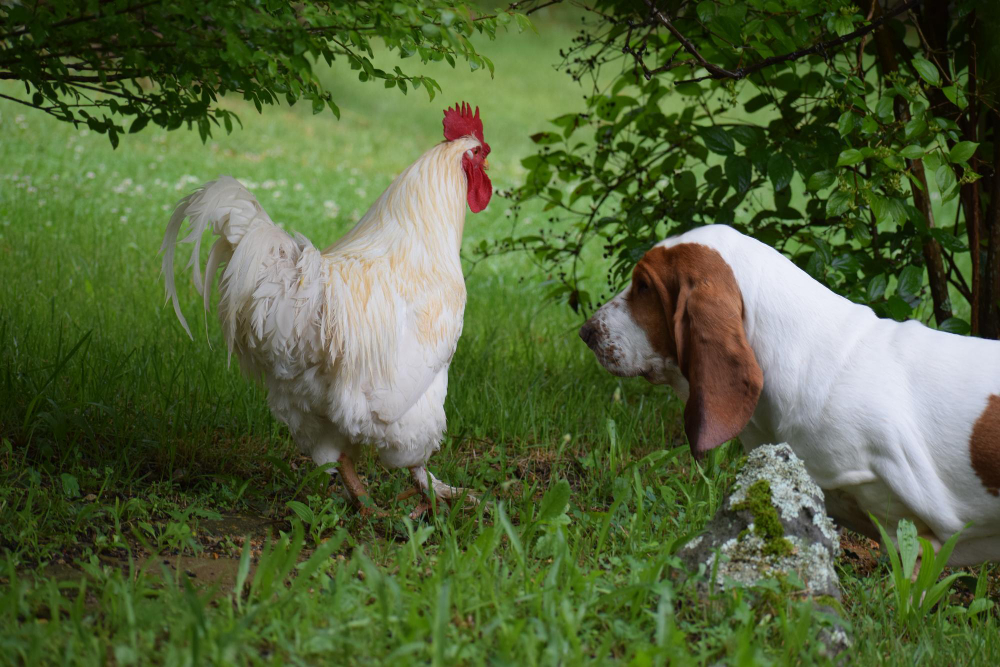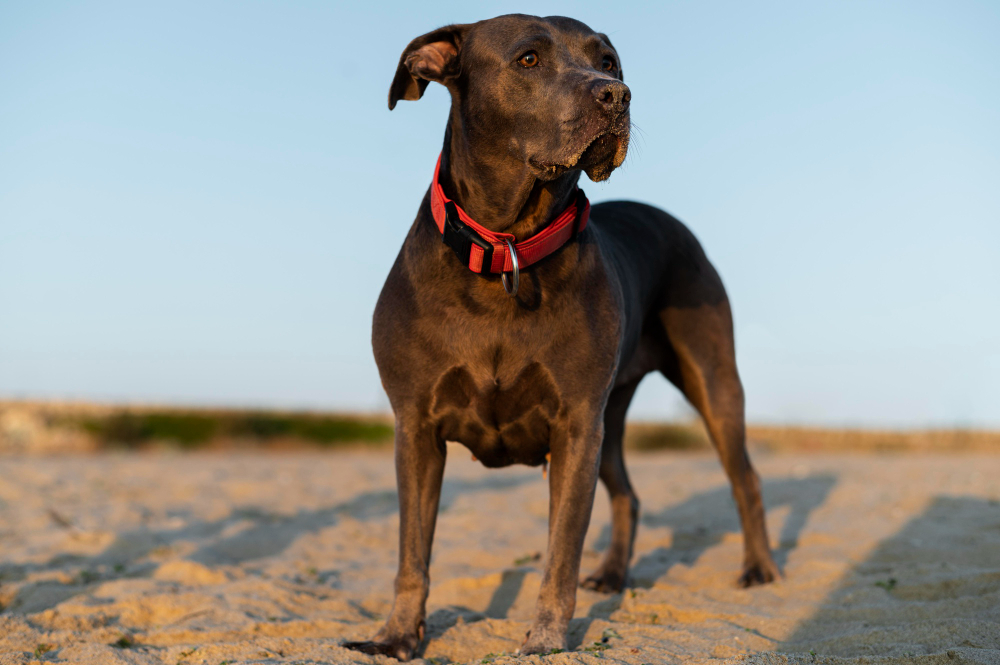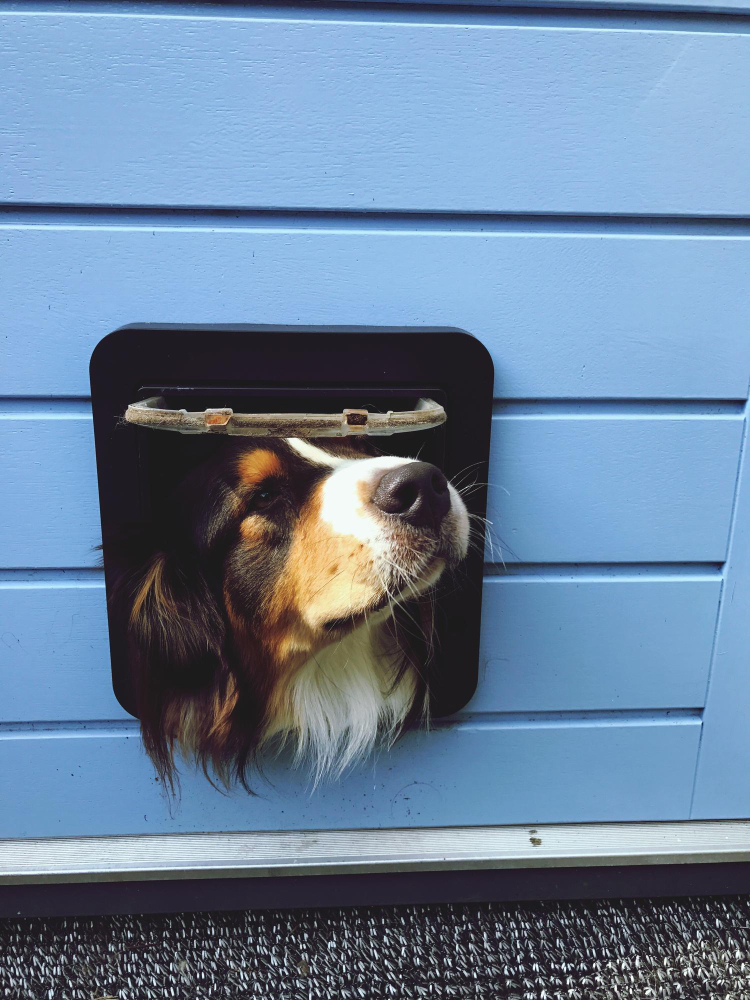
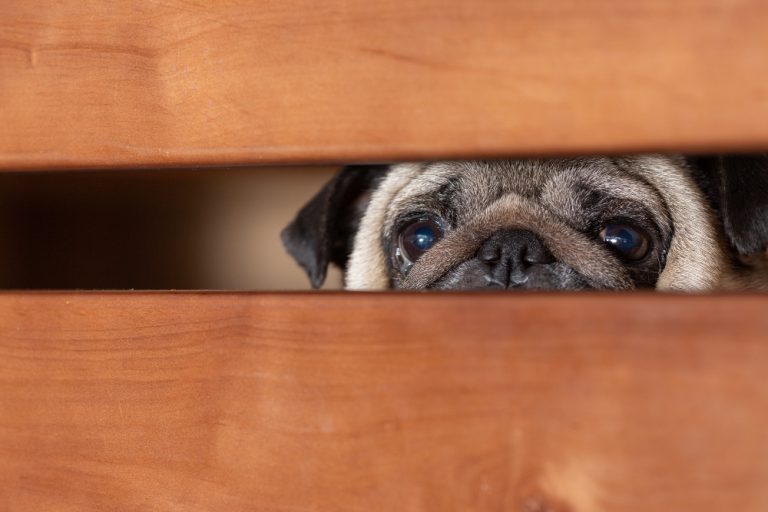
At Jordan Dog Training, we often meet dogs that are shy, nervous, or unsure of the world around them. Whether it’s a puppy going through a fear period, an older rescue dog finding their feet, or a dog lacking social exposure, building confidence is one of the most important (and rewarding) parts of training. And if you have a second, more confident dog at home — they might be the key to unlocking that confidence.
In this comprehensive guide, we explore the role of an “anchor dog,” outline a wide range of confidence-building strategies, examine the science behind fear and recovery, and provide a practical step-by-step framework guardians can start using today.
What Is an Anchor Dog?
The term anchor dog refers to a calm, well-adjusted dog that helps regulate and ground a more anxious or shy dog. When used intentionally, the anchor dog acts as a behavioural guide — showing the shy dog how to behave in new environments or around new people and dogs. The shy dog can borrow confidence from them, much like a young child might look to a parent or trusted adult for reassurance.
In training or at the park, the presence of an anchor dog can:
- Provide emotional stability
- Reduce stress through co-regulation
- Model socially appropriate behaviours
- Help a shy dog come out of shutdown mode in unfamiliar settings
It’s important that the shy dog genuinely likes and feels safe around the anchor dog. They should have a positive, trusting relationship where the shy dog naturally follows or defers to the other. In some cases, a suitable anchor dog might not live in the same household — it could be a calm, confident friend’s dog or even a relative’s dog that your shy dog knows and trusts. The key is that the anchor dog is someone your dog looks up to and feels safe following into new situations.
However, the anchor dog must:
- Be non-reactive and emotionally stable
- Be well-attuned to the handler
- Remain calm in unfamiliar environments
Alternative Terms to “Anchor Dog”
While anchor dog is effective and widely used in training circles, the concept is also described using a variety of terms, depending on the audience:
| Term | Description | Use Case |
|---|---|---|
| Role model dog | Emphasises social learning | Good for educational content |
| Support dog | Highlights emotional support | Use with care to avoid confusion with assistance dog terms |
| Confidence coach | Friendly, informal term | Great for social media |
| Steady dog | Implies calm, grounded behaviour | Informal settings |
| Behavioural buddy | Casual, descriptive | Great for puppy school contexts |
| Emotional regulator | Technical, science-based term | Ideal for professional materials |
Use whichever term best suits your communication style or audience.
How Dogs Learn from Each Other: The Science Behind It
Dogs are highly social animals with a natural ability to learn through observation. This process, known as social learning, allows them to absorb information by watching other dogs and humans — especially when the outcomes they witness are positive or rewarding.
For shy or underconfident dogs, this ability to learn from others can play a transformative role in their development. If a dog observes a calm, confident dog approaching a new person, investigating an unfamiliar object, or calmly walking through a noisy environment — and that dog is rewarded with praise, treats, or affection — the shy dog begins to re-evaluate its own perceptions. It starts to think, “If they’re OK with this, maybe I can be too.”
This is often referred to as social referencing — when a dog looks to a trusted companion to help interpret a situation. This trusted companion, often referred to as an anchor dog, provides both a behavioural template and emotional reassurance.
This process is supported by another important concept: emotional contagion. Dogs are sensitive to the emotional states of those around them, including both people and other dogs. If the anchor dog remains calm and relaxed, that emotional stability can ripple outward, helping the shy dog feel more regulated and secure.
“Social learning and emotional contagion are powerful tools — but they work both ways. Calm confidence in one dog can ripple outward and bring balance to a nervous dog. But so can stress and reactivity.”
This is also why carefully structured environments — such as our controlled group training sessions or tailored home visits — are so effective. They allow shy dogs to witness positive outcomes without being forced into direct interaction, and give guardians the tools to shape behaviour thoughtfully and respectfully.
By staying below the dog’s reactive threshold — the point at which they become overly stressed, fearful, or shut down — we create the conditions for learning. Confidence grows best when dogs are supported just at the edge of their comfort zone, where they can stretch, succeed, and feel safe doing so.
Confidence-Building Strategies Beyond the Anchor Dog
1. Controlled Exposure (Systematic Desensitisation)
Expose your dog to mildly challenging or unfamiliar situations in small, controlled doses. Stay under threshold — meaning your dog remains relaxed and engaged.
Examples:
- Sitting at a distance from a dog park
- Watching children play from across a field
- Hearing vacuum noises or traffic from a distance
Always pair exposure with something positive (e.g., treats, distance, praise). Avoid flooding or forced interactions.
Related reading: Helping a Dog That’s Afraid of Stairs
2. Trick Training as a Confidence Circuit Breaker
Teaching your dog tricks builds confidence through success and repetition. Start with short (5–10 min) sessions in a safe, familiar space. Focus on:
- Touch (nose to hand)
- Spin
- Sit pretty
- Go to mat
- Roll over
- High five
- Find it
- Hide and seek
Once your dog is comfortable performing these behaviours at home, practise in the backyard, then a quiet park, and eventually in low-distraction public spaces.
These known behaviours become a circuit breaker — offering your dog something predictable and rewarding when they feel overwhelmed. It builds their confidence, which in turn can help them deal with more situations more confidently.
“When a dog believes in you and trusts the game you’re playing together, even a scary world can start to feel manageable.”
Related reading: The Benefits of Trick Training
Shop our Healthy Training Treats on the Jordan Dog Training online store
3. Scent Work and Nose Games
Sniffing builds independence and activates the brain’s seeking system, which reduces anxiety.
Try:
- Scatter feeding
- Treats hidden in boxes or under cups
- Using a snuffle mat or towel roll
- Hide and seek with toys
- “Find it” scent games at home or on walks
These games are great for home and outings. Let your dog sniff and explore at their own pace.
Related reading: Let Them Sniff – Why Decompression Walks Matter
4. Routine, Choice, and Predictability
Give your dog structured routines and small choices:
- Let them choose between two walking routes
- Allow them to opt in/out of interactions
- Keep walk, rest, and meal times consistent
Predictability lowers stress. Choice builds autonomy — both key for nervous dogs.
5. Advocate for Your Dog in Public
Actively advocating for your dog prevents overwhelming experiences and builds trust.
How to advocate:
- Calmly step in front of your dog if someone approaches
- Say: “He’s in training, thanks for giving him space”
- Ask your dog for a “sit” or “touch” to redirect focus
- If you feel they’re ready, give a cue like “Friends” to allow a calm, positive interaction
- Use a leash sleeve or vest that says “In Training”
Most people respond positively when you set boundaries respectfully. And when you calmly protect your dog’s space, it reassures them that you’re in charge — they don’t need to worry. It also builds your confidence — creating a calm, positive energy that helps your dog grow braver over time.
Reading Your Dog’s Signals
Before a dog barks, growls, or tries to move away, they’ll often communicate discomfort through subtle body language. Recognising these early signs is essential for helping your shy dog feel safe and supported.
Look out for:
- Yawning (when not tired)
- Looking away or turning the head
- Side eye or “whale eye” (showing the whites of their eyes)
- Licking lips or tongue flicks
- Ears pinned back or held tense and alert
- Sudden stillness or freezing
- Lifting a front paw
- Shaking off (as if drying themselves)
These signals indicate that your dog is unsure or under mild stress. If you see them, calmly increase distance, give your dog something familiar to do (like a “touch” or “find it” cue), or advocate for them by preventing a stranger from approaching.
By responding early, you show your dog that their needs are heard — building trust, reinforcing their sense of safety, and preventing situations from escalating. It’s one of the most powerful ways to support long-term confidence.
Final Thoughts
Helping a shy dog gain confidence takes time, patience, and a thoughtful approach. Whether you’re using the influence of an anchor dog, incorporating scent games, advocating in public, or layering trick training, you’re laying a foundation of trust and emotional safety.
At Jordan Dog Training, our accredited trainers have helped thousands of dogs grow into calmer, happier companions through a positive, practical approach tailored to each individual dog. If you ever feel stuck, know that you’re not alone — and our team is always here to support you.
Give your amazing dog a pat from us
Disclaimer: The information provided in this blog is intended as general guidance and is based on our experience as dog trainers and behaviourists. It is not veterinary advice and should not replace consultation with a qualified veterinarian. If you have any concerns about your dog’s health, wellbeing, or behaviour, we always recommend speaking with your vet or a trusted professional dog trainer.