
Paralysis ticks are a serious concern for dogs in coastal eastern Australia, including south-east Queensland. Keep prevention current and know the warning signs. A dated report about a bad season is not a reliable measure of today’s risk.
Signs that need urgent veterinary advice
Changes in the bark, gagging or regurgitation, weakness, an unsteady walk or breathing difficulties can be signs of tick paralysis. Call your vet immediately rather than waiting for more signs or spending time searching for a tick first.
Keep your dog quiet while arranging care. Tell the clinic about any tick found, recent travel and the prevention product used. Follow its advice about handling, food, water and transport.
If you find a tick
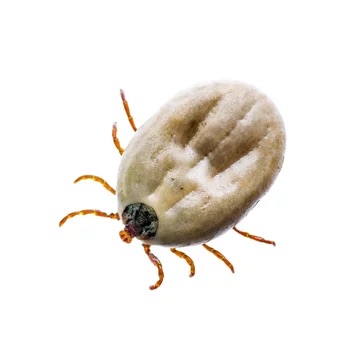
Contact your vet promptly for removal and assessment advice. Removing a tick does not establish that the danger has passed, and another tick may still be present. A dog can worsen after removal.
If you are unsure how to remove it safely, ask the clinic rather than improvising with chemicals or heat. Do not rely on colour or size alone to identify a harmless tick.
Prevention and daily searches
Ask your vet about a registered product that covers paralysis ticks and suits your dog. Follow its age, weight and dosing directions. Do not assume that flea control also provides tick protection.
In tick-risk areas, search your dog daily as well as using appropriate prevention. Ask your vet to demonstrate a thorough hands-on search, including the head, neck, ears, paws and less visible areas. Prevention reduces risk; it does not make concerning signs safe to ignore.
For more on choosing parasite protection, see our Brisbane flea guide.
Veterinary sources

Justin Jordan is a dog behaviourist and the founder of Jordan Dog Training, a family-owned Brisbane business. With more than 35 years of experience in the pet industry, Justin and his team help families with puppy training, everyday manners and behaviour concerns.