
Just like humans, dogs sometimes need blood transfusions to survive — after accidents, during surgery, or when dealing with serious illness. What many people don’t realise is that veterinary hospitals across Australia often struggle to find suitable canine blood donors, especially in emergencies.
If your dog is healthy, calm, and over a certain size, they might be able to help save a life.
Blood Types in Dogs: It’s Not Just Positive or Negative
While humans have four blood types (A, B, AB, and O), dogs have a much more complex system. Dogs have at least 12 recognised blood antigens, grouped into several systems.
The DEA System (Dog Erythrocyte Antigen)
This is the most widely used system and includes:
- DEA 1 (positive or negative) – the most clinically important
- DEA 3, 4, 5, 6, 7, and 8
Other Recognised Blood Types
- Dal – missing in some breeds such as Dalmatians, Dobermans, and Shih Tzus
- Kai 1 and Kai 2 – newer discoveries still under study
Some specialised labs also test for naturally occurring alloantibodies, which can affect transfusion safety after a prior transfusion.
✅ Why DEA 1 Is Prioritised
DEA 1 is the most antigenic (likely to trigger a reaction). That’s why it’s the first — and often only — blood type tested in routine donor screening.
- DEA 1 negative dogs are considered universal donors.
- DEA 1 positive dogs can only safely donate to other DEA 1 positive dogs.
⚖️ How Dog Blood Types Compare to Human Ones
There are two big differences:
- Humans are born with antibodies against other blood types.
- Dogs do not develop antibodies to incompatible blood types until they’ve had a transfusion.
This means:
- The first transfusion a dog receives is generally safe, even without perfect matching.
- Subsequent transfusions must be matched carefully to avoid dangerous immune reactions.
This is why having pre-typed donor dogs available is so critical in emergencies.
✅ Could Your Dog Become a Donor?
Most emergency and specialist vet clinics maintain a list of local dogs who are ready to donate when needed. Your dog may be eligible if they meet the following criteria:
- Aged 1 to 7 years
- Weighs at least 25 kg
- In excellent health
- Up to date on vaccinations, worming, and tick/flea prevention
- Not on long-term medication
- Has never received a transfusion
- Has a calm, friendly temperament and is happy being handled
- Preferably DEA 1 negative, though DEA 1 positive donors are also needed
Many vet clinics will offer a free health check and blood typing for suitable donor candidates.
Breeds More Likely to Be Universal Donors
Some breeds are more likely to be DEA 1 negative, making them especially valuable donors:
- Greyhounds (particularly retired racers)
- Dobermans
- Boxers
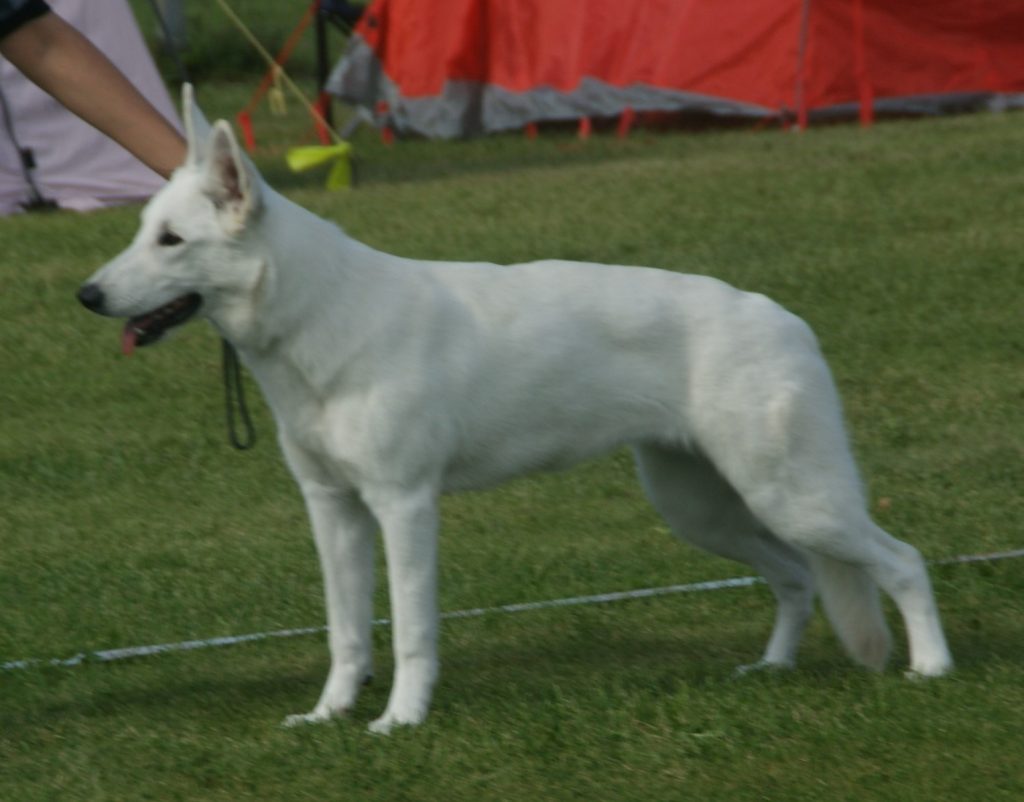
- German Shepherds
- Flat-Coated Retrievers
- Some Labradors, Staffies, and mixed breeds
Regardless of breed, the only way to know your dog’s blood type is through testing.
What Happens During a Blood Donation?
The process is safe and simple when done by professionals:
- Your dog lies comfortably on their side.
- A small patch on their neck is shaved and cleaned.
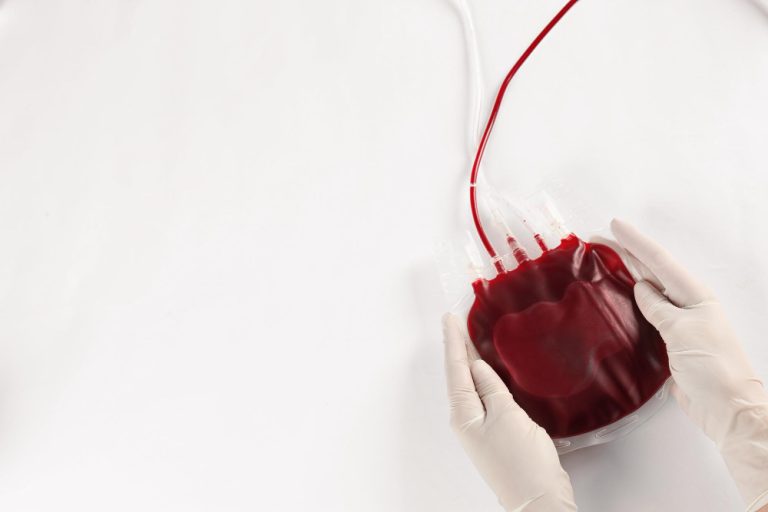
- Blood is collected from the jugular vein — typically around 450–500 mL.
- It takes about 10 to 15 minutes.
- Your dog is offered treats, water, and a chance to rest.
Dogs can usually donate every 8 to 12 weeks, depending on health and haematocrit (PCV) levels.
Sedation is not normally required, but may be offered for dogs who are anxious.
Why Blood Is Always in Short Supply
In Australia, there is no national canine blood bank. Most veterinary hospitals rely on:
- Pre-screened community donors
- Staff dogs
- Urgent public calls for help
Canine blood is needed for:
- Trauma cases (e.g. hit by car, dog attacks)
- Tick paralysis recovery
- Rat bait poisoning
- Autoimmune anaemia
- Major surgeries
- Cancer treatment support
One donation can sometimes be separated into red cells and plasma, helping more than one dog.
Shelf life:
- Whole blood: 28–35 days
- Plasma: Up to 1 year when frozen
Is It Safe?
Yes — blood donation is safe and painless when handled by experienced veterinary staff. Your dog will be fully monitored, and health checks are done at every visit to prevent donor fatigue.
Some donor programs even reward dogs with certificates, bandanas, or toys for being lifesavers.
Real-Life Impact
Here’s a real-world example of how donor dogs make a difference:
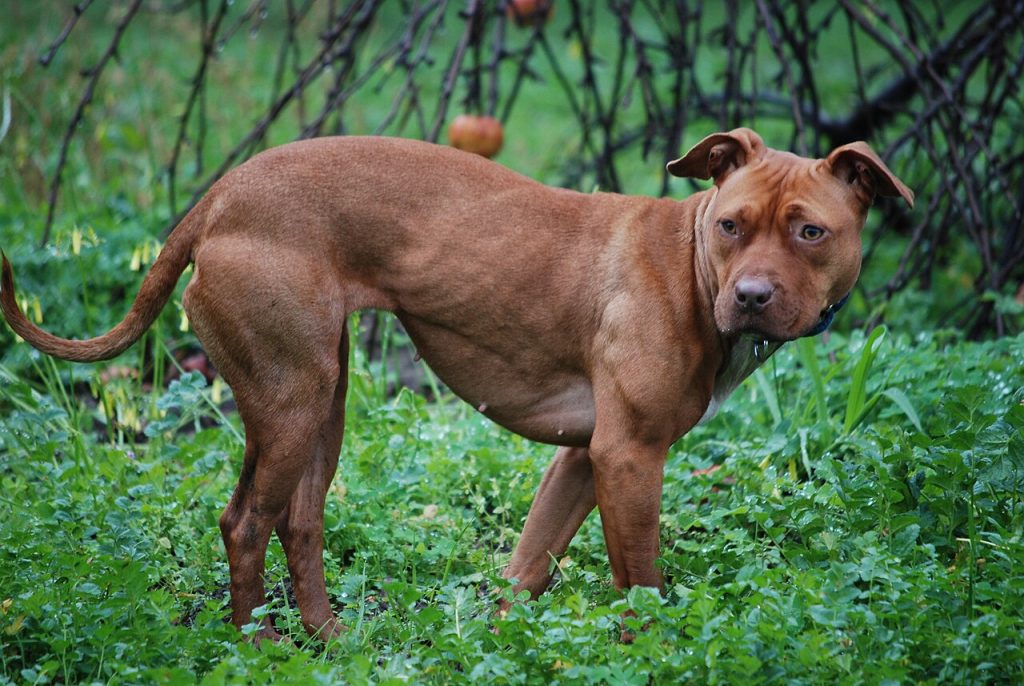
Rosie, a two-year-old Staffy, was rushed into an emergency clinic after being hit by a car. She’d lost a dangerous amount of blood. Thanks to a donor dog on file — a calm, gentle Greyhound named Bruce — the team was able to act quickly. Rosie survived. Bruce’s blood quite literally saved her life.
Did You Know?
- Dogs do not have natural antibodies against other blood types — until they’re exposed.
- DEA 1 negative dogs are the most valuable for transfusion services.
- Most clinics in Australia only test for DEA 1, but more comprehensive testing is available in specialist settings.
- There is no national blood bank for dogs — donor dogs are always needed.
- One large dog can help save more than one life.
Training Tip from Jordan Dog Training
If your dog is calm and enjoys being handled, they may already be a good candidate. If not, start practising calm behaviours like:
- Chin rest
- Handling around the neck and paws
- Lying still for short periods
These are great foundation skills for all dogs — and especially valuable if your dog ever becomes a blood donor.
We teach these behaviours in our obedience programs using positive reinforcement, so don’t hesitate to reach out.
Final Thoughts
Becoming a blood donor is one of the most meaningful ways your dog can help others. It’s not for every dog — but for the right temperament, it’s a safe, positive, and lifesaving contribution.
At Jordan Dog Training, we’re proud to support responsible dog ownership and compassionate care — not just through training, but by helping dogs live longer, healthier lives.
Give your dog a pat from us — and if they end up saving a life, we’d love to hear their story.
Disclaimer: The information provided in this blog is intended as general guidance and is based on our experience as dog trainers and behaviourists. It is not veterinary advice and should not replace consultation with a qualified veterinarian. If you have any concerns about your dog’s health, wellbeing, or suitability to donate blood, please speak with your vet to ensure the best care for your dog.

Justin Jordan is a dog behaviourist and the founder of Jordan Dog Training, a family-owned Brisbane business. With more than 35 years of experience in the pet industry, Justin and his team help families with puppy training, everyday manners and behaviour concerns.