Introduction
When a dog moves from one household to another, a careful handover can make daily care more familiar. This guide focuses on the information to collect, routines to carry over and support to arrange while you get to know your new dog.
Earlier printable factsheet
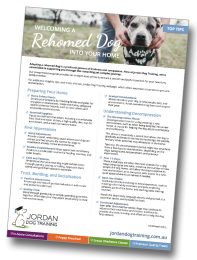
Preparing Your Home
- Home Safety Check: Secure your property by checking fences and gates for any gaps or weaknesses. Inside the home, safeguard against potential hazards such as toxic plants and accessible electrical cords.
- Essential Supplies: Equip yourself with the basics, including a comfortable bed, food and water dishes, a high-quality diet, toys for enrichment, and a leash for secure walks.
First Impressions
- Initial Adjustment: Provide a quiet, welcoming space where your dog can retreat and feel secure. It’s normal for dogs to experience anxiety in new environments.
- Routine Establishment: Dogs appreciate consistency. Establish a predictable routine for feeding, exercise, and toilet breaks.
- Calm and Patience: Understand that your new dog might exhibit stress through panting, pacing, or hiding. Approach them calmly and give them space to acclimate.
Trust, Bonding, and Socialisation
- Positive Interactions: Encourage and reward positive behaviours with treats and praise to build trust.
- Quality Time: Bond through gentle play or simply spending quiet time together. This helps your dog adjust emotionally to their new environment.
- Gradual Introductions: Slowly introduce your dog to new people, pets, and environments. Avoid overwhelming them and respect their pace.
A practical handover checklist
- Collect health records, current medication instructions, vaccination and parasite-prevention details, and the existing vet’s contact details.
- Ask about the exact food, meal routine, toilet habits, sleeping arrangements and walking equipment the dog is used to.
- Discuss handling sensitivities, time alone, escape attempts, guarding and any previous bite or conflict. Ask for an honest account of what happened and what management has helped.
- Arrange the microchip-record transfer and confirm local council registration requirements. Keep contact details for follow-up questions.
Allow adjustment at an individual pace
There is no universal decompression deadline. Keep the early routine quiet and predictable, then introduce changes according to the dog’s response. Do not force a meeting or add more activity simply because a particular number of days has passed. See our settling-in guide for everyday support.
Behavioural Training Tips
- Foundation Training: Start with basic commands such as sit, stay, come, and down. These foundational skills not only help in managing your dog’s behaviour but also strengthen your bond.
- Positive Reinforcement: Always use positive reinforcement techniques such as treats, praise, and play to reward your dog for good behaviour. This approach promotes a loving and trusting relationship.
- Consistency Is Key: Ensure all family members use the same commands and maintain consistent rules. This helps prevent confusion and helps your dog learn more quickly.
Common Challenges and Solutions
- Separation Anxiety: Watch how your dog copes with time apart. Practise only at a level they can manage, and arrange support to avoid repeated distress. Panic, escape attempts or persistent vocalising need veterinary and individual behaviour advice; toys alone are not a treatment.
- Resource Guarding: Some dogs may guard food, toys, or spaces. It’s important to consult a professional trainer if you observe this behaviour. Early intervention can help modify and manage these tendencies.
- Adjusting to Other Pets: Introduce existing pets and the new dog gradually and under controlled conditions. Keep initial interactions short and positive, and slowly increase their duration.
Health, Nutrition, and Exercise
- Veterinary Care: Schedule a health check with a veterinarian soon after adoption to address any immediate health concerns and plan for ongoing care.
- Balanced Diet: Provide a nutritious diet suitable for their breed, age, and health status. Consult your vet for dietary advice.
- Regular Exercise: Tailor the amount and intensity of exercise to your dog’s needs. Physical activity is essential for their well-being.
Emergency Preparedness
- Emergency Contact Info: Keep a list of emergency contacts, including your vet, an emergency pet hospital, and a poison control centre, easily accessible.
- First Aid Kit: Ask your vet what to include in a pet first-aid kit and how to use it. First aid does not replace urgent veterinary care.
- Evacuation Plan: Have a plan in place in case of an emergency that requires evacuation. Ensure your dog is microchipped and wears a collar with an ID tag for easy identification.
Legal Responsibilities
- Registration and Microchipping: Confirm registration and microchip-transfer requirements with your local council and the relevant registry. Check that the registered keeper and contact details have actually been updated.
- Responsible Ownership: Understand and comply with local laws regarding dog ownership, including leash requirements, noise control, and waste management.
Further Support and Learning
Jordan Dog Training is here to support your journey with your rehomed dog. Contact us to discuss individual behaviour support or suitable training classes.
Build on what your dog already knows
Keep familiar routines where practical, teach household changes patiently and stay in touch with your vet and the previous carer or rescue organisation. A thoughtful handover helps, but it cannot guarantee an easy transition. Seek help early if you are concerned.
For preparing the physical space and planning introductions, see welcoming a rescue dog. If food or toys are causing tension, read about resource guarding and arrange individual advice.
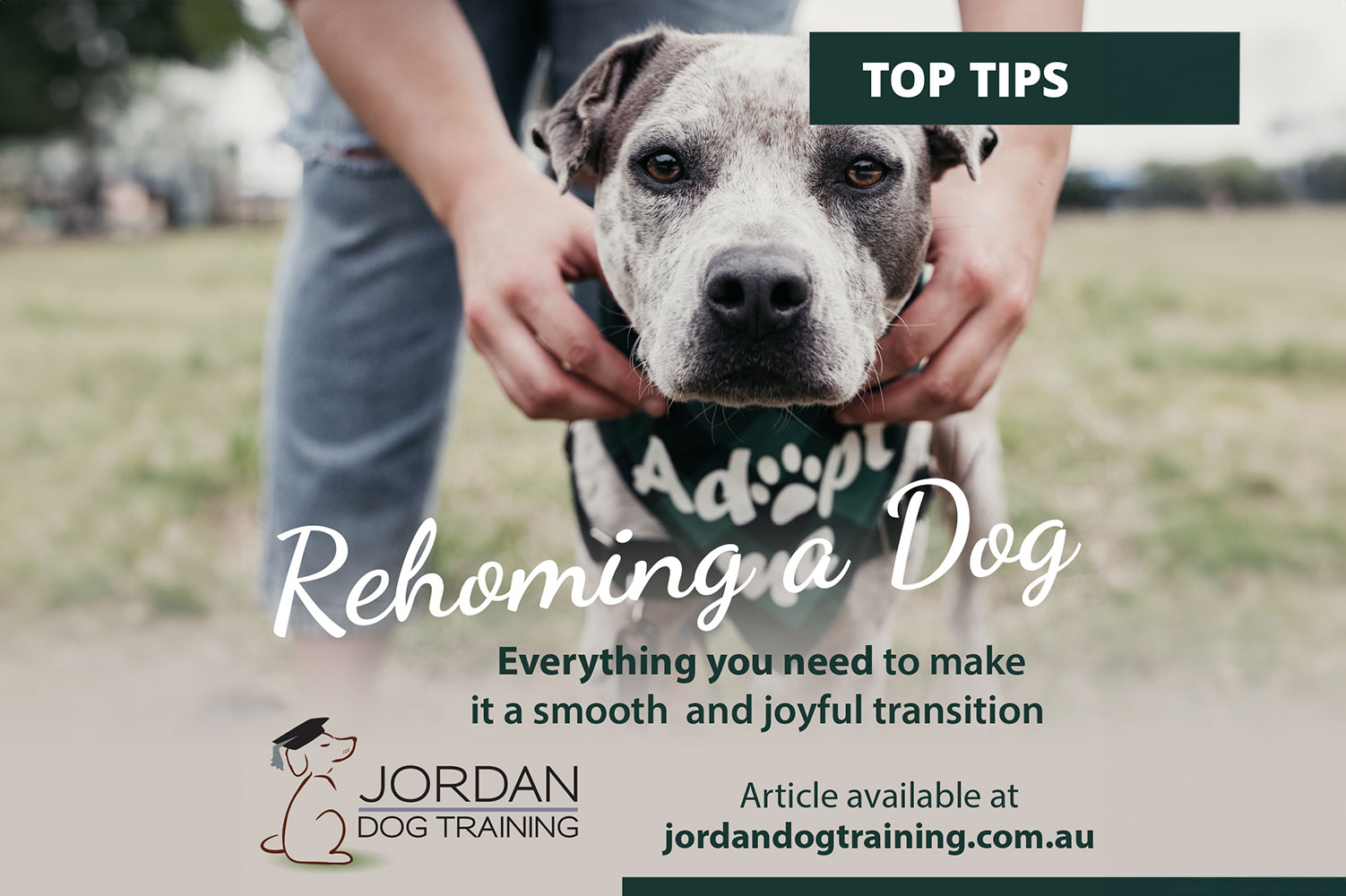
The linked printable factsheet is an earlier edition. Follow this updated article for individual settling-in guidance, distress when alone and checking local registration requirements.
Sources and further reading
Give your dog a pat from us.