
Resource guarding in dogs means behaviour used to keep something valuable. It might involve food, a chew, a toy or a resting place. It can range from becoming still over an item to growling, snapping or biting. Recognising it early gives you an opportunity to make the situation safer.
Notice the quieter signs
Watch for a sudden pause, a tense body, hovering over an item, eating faster as someone approaches, a fixed stare or moving away with the item. These signs need context, but they are reasons to stop approaching and give the dog space. Do not wait for a bite before seeking help.
What to do if your dog is guarding
- Stay calm and move away. Avoid chasing, cornering, scolding or reaching for the item.
- Keep children and other animals away using secure separation. Children should never retrieve guarded items or take part in guarding exercises.
- If the item is harmless, allow the dog space until they have finished and moved away. Retrieve it only when the dog is safely separated.
- If the item could be poisonous, sharp or dangerous to swallow, contact your vet urgently. Do not turn the situation into a physical struggle or prise the mouth open.
Make everyday routines easier
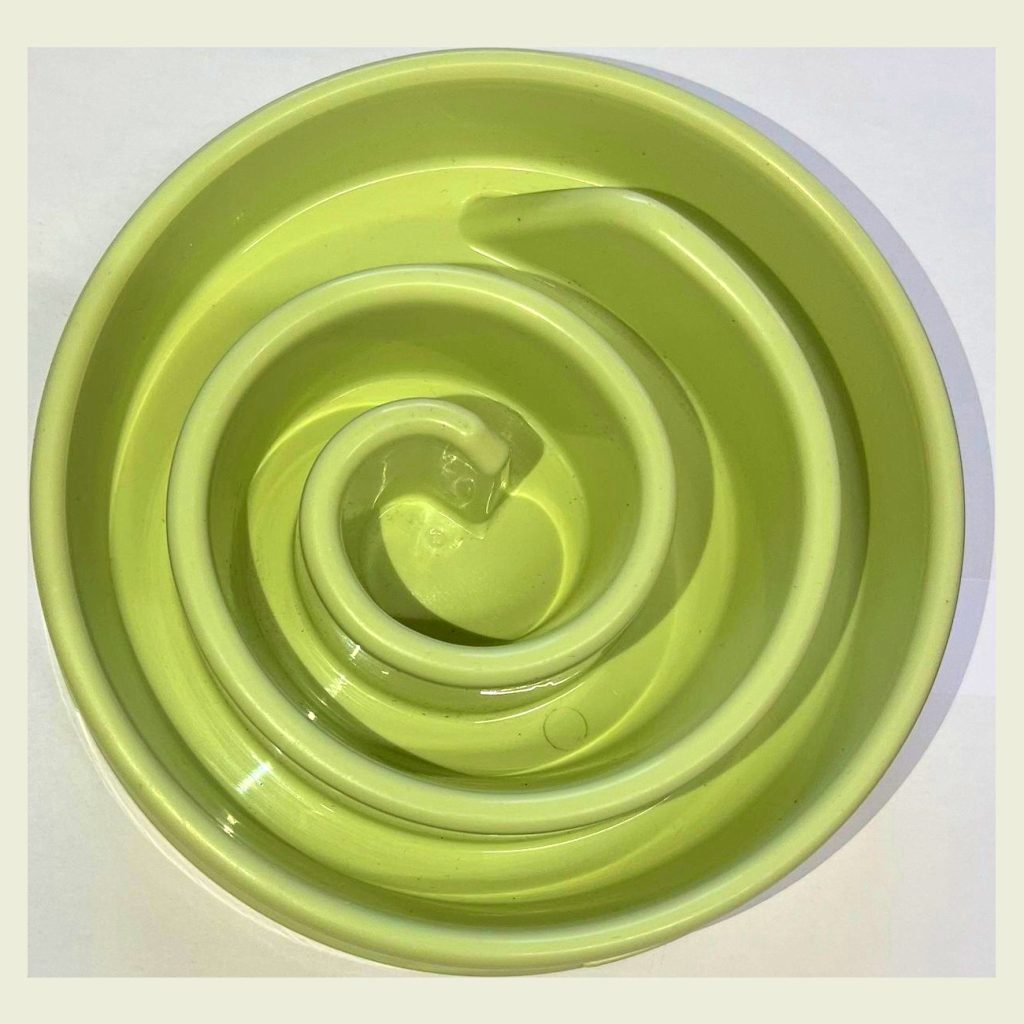
Feed your dog in a quiet area where nobody needs to pass close by. Feed pets separately and remove leftover bowls only after the dogs have moved away and are securely separated. Put laundry, rubbish and other commonly stolen items out of reach before the dog finds them.
Repeatedly taking food away, putting your hand in the bowl or testing whether the dog will tolerate interference can increase worry. A dog does not need to accept being pestered while eating to be well behaved.
Training should build confidence
A voluntary exchange or “drop” cue can be useful when taught gradually in a comfortable situation. It is not a reason to approach a dog that is already guarding. Where guarding is present, a qualified behaviour professional should help choose the starting distance, items and rewards and show you when to stop.
Do not begin by hand-feeding a guarding dog or reaching into their bowl to add treats. Advice that is appropriate for one dog may place another household at risk. The plan needs to account for children, other pets, previous bites and the resources involved.
Include your vet
Arrange a veterinary check, particularly if guarding starts suddenly or changes in intensity. Pain, illness or changes in appetite may be relevant. Keep a brief record of incidents without deliberately provoking them, and share it with your vet and behaviour professional.
Progress varies. Management may remain part of the plan even when training is going well. Contact Jordan Dog Training for individual support, and read our dog-conflict safety guide if guarding is causing tension between dogs.
Sources and further reading
- Dogs Trust: resource guarding food and toys
- RSPCA NSW: recognising resource guarding
- ASPCA: food guarding and professional support
Give your dog a pat from us.
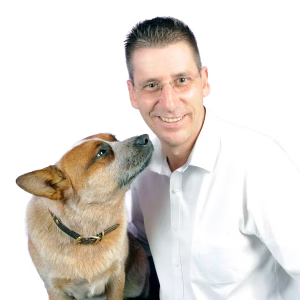
Justin Jordan is a dog behaviourist and the founder of Jordan Dog Training, a family-owned Brisbane business. With more than 35 years of experience in the pet industry, Justin and his team help families with puppy training, everyday manners and behaviour concerns.