

Understanding separation anxiety in dogs
Separation anxiety in dogs involves distress associated with separation. It is more than simply being bored or preferring company. If your dog struggles when left alone, speak with your vet so health concerns and the behaviour can be assessed together.
Most of us need to leave our dogs at home sometimes, whether for work, appointments or everyday errands. The aim is to help your dog feel comfortable during those absences and arrange suitable care while they are learning.
What can separation-related distress look like?
Barking, howling, pacing, house soiling, chewing and escape attempts can occur when a dog is distressed. These behaviours can also have other causes, so they do not establish a diagnosis on their own. Notice when they happen and what else your dog is doing.
Useful observations include what happens as you prepare to leave, how your dog responds after you go and whether outside noises or confinement are involved. A quiet dog is not necessarily a comfortable dog. Look at the whole situation, including their movement and ability to settle.
Helping dogs and puppies feel comfortable apart
Start with manageable experiences of time apart and increase gradually according to your dog’s response. If distress develops, make the next step easier and seek advice. A camera can support observation, but products alone do not prevent or treat separation anxiety.
Keep greetings calm and friendly. Do not punish barking, damage or toileting accidents. If your dog is struggling, the useful question is what support or change to the plan they need.
Separation anxiety training and daily care
An individual plan may include gradual training, changes to the home routine and veterinary treatment. Avoid absences that repeatedly overwhelm your dog where practical, and arrange suitable care while working on the plan.
1. Observe before extending an absence
Watch for comfort as well as signs of distress. Our independent Furbo pet camera information explains tracking, alerts, recording limits and practical monitoring. We are not affiliated with Furbo and do not sell its cameras.
A short recording and a note of the situation can help your vet or behaviour professional assess the pattern. Monitoring is useful information, but it does not replace someone being able to respond when your dog needs help.
2. Build time apart gradually
Practise at a level your dog can manage. Begin with an easy step and return before they become worried. Increase the challenge only when the current step is comfortable. Our counterconditioning and desensitisation guide explains the learning principles.
If even a very brief separation causes distress, pause the exercises and seek individual help. Repeating an overwhelming exercise is not the same as helping your dog become comfortable.
3. Support everyday needs
Provide suitable activity, rest and companionship. Exercise supports wellbeing but is not a substitute for anxiety treatment. If your dog is panicking or risking injury, contact your vet promptly.
Consider whether a trusted person can stay with your dog or provide care in a familiar, suitable place. Company helps some dogs more than others. Choose arrangements around your dog’s actual response, rather than assuming every dog will enjoy day care.
What about a Velcro puppy?
A puppy who follows you around has not automatically developed separation anxiety. Enjoying closeness and struggling with separation are different things to assess. Our Velcro Puppy guide explains how to practise small, comfortable steps while you are nearby.
Our Puppy Setup sessions and Puppy School support everyday foundations. Persistent distress needs an individual plan, with veterinary input.
Adult dogs and older dogs
A dog who has previously managed time alone may begin struggling after a change in routine or circumstances. Keep notes about what has changed and discuss new behaviour with your vet. For an older dog, do not assume new restlessness, vocalising or toileting changes are simply ageing or disobedience.
Can toys or a crate help?
Food toys or licking mats may provide suitable enrichment for some dogs. Introduce and supervise new items first, and check that they suit the dog. They cannot be relied on to resolve separation anxiety, and a distressed dog may not eat. Avoid assuming an item will safely occupy every dog for hours.
A crate is not a treatment for separation anxiety. If your dog is trying to escape from confinement or becomes more distressed in it, seek advice about a safer arrangement. Our crate-training guide explains thoughtful introductions and individual suitability.
How Jordan Dog Training can help
Our home dog behaviour consultations can help you understand the situation and put practical training and management steps in place, alongside your vet’s assessment and any recommended treatment. Contact the team to discuss the support your dog needs.
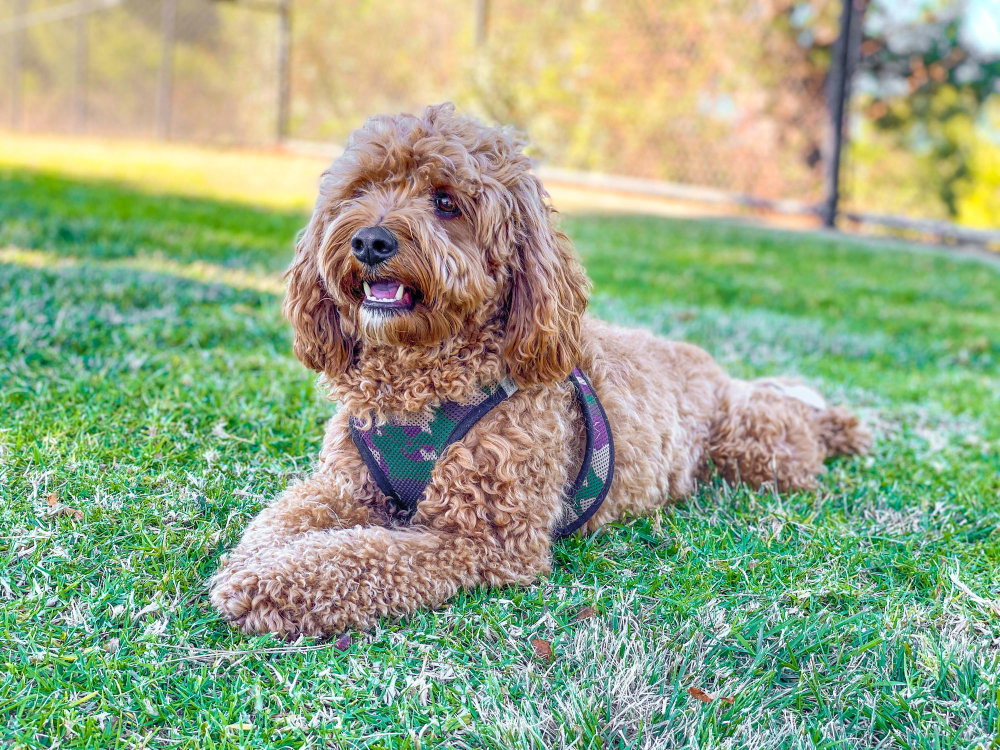
Dogs that enjoy close contact still need support to feel comfortable apart. Our Australian Cobberdog profile explains the difference between an affectionate companion and a dog showing distress, alongside practical questions for prospective owners.
Common questions about separation anxiety
Does barking while I am away mean separation anxiety?
Not necessarily. Barking can have several causes. Look at the timing, surrounding events and other behaviour, then share that information with your vet or behaviour professional. Our barking guide explains why the cause matters.
Should I leave my dog to cry until they stop?
Prolonged crying or panic should not be the training plan. Help your dog feel safe, review their needs and make the next practice easier. Ongoing distress needs professional support.
How long does improvement take?
There is no reliable timetable for every dog. Progress depends on the individual, the practical care arrangements and the treatment plan. Judge progress by your dog’s comfort, and review setbacks with the professionals helping you.
Sources and further reading
RSPCA Australia: anxiety when left alone; VCA Animal Hospitals: separation-related distress; MSD Veterinary Manual: behaviour problems in dogs.
Reviewed 1 November 2026. Original publication date retained.
Give your dog a pat from us.

Justin Jordan is a dog behaviourist and the founder of Jordan Dog Training, a family-owned Brisbane business. With more than 35 years of experience in the pet industry, Justin and his team help families with puppy training, everyday manners and behaviour concerns.