

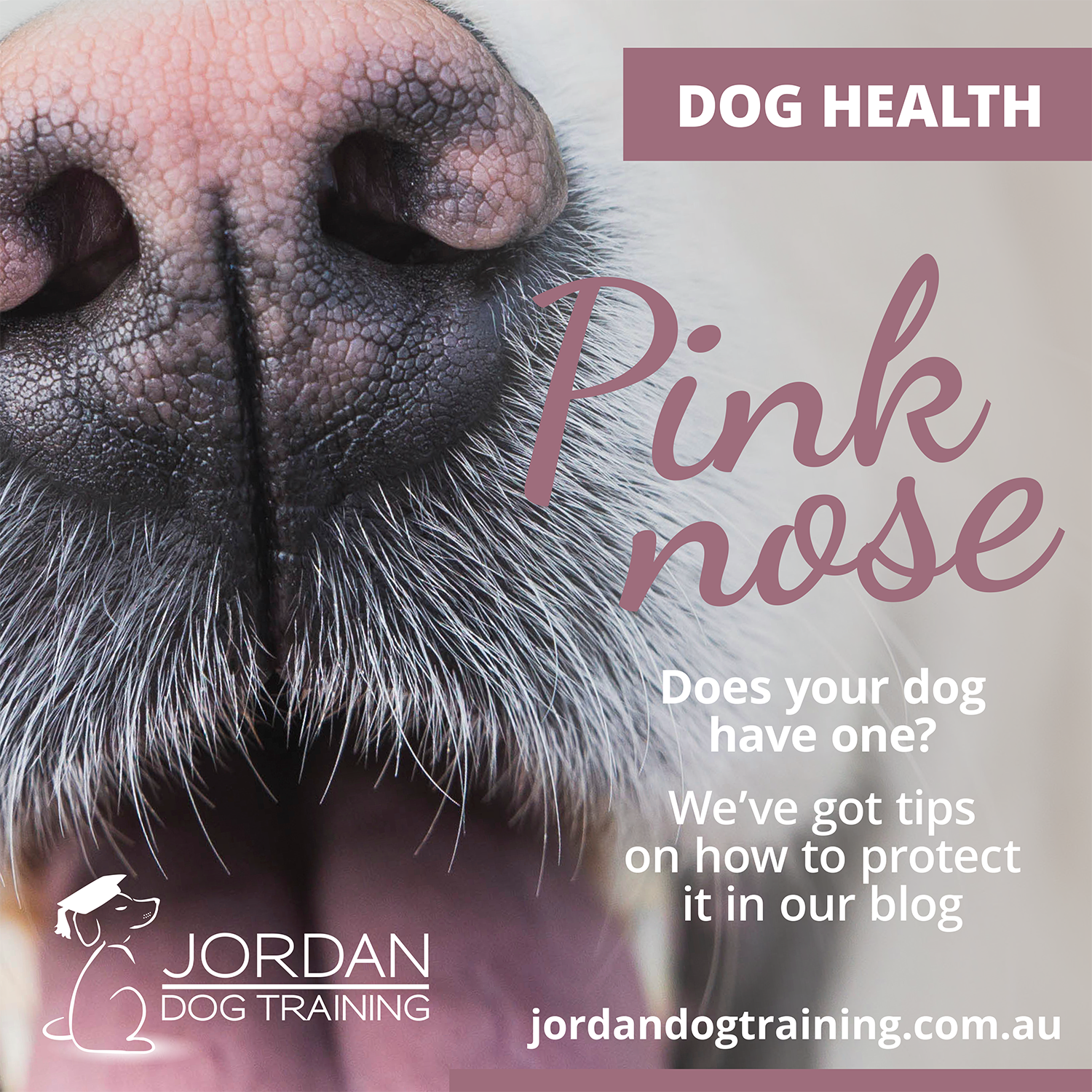
A pink or lightly pigmented nose can be vulnerable to sun damage. Start by reducing direct sun exposure, then ask your vet whether your dog needs a particular sunscreen or other protection.
Make shade the first step
Give your dog a cool, shaded place to rest and limit time in strong sunshine. Plan outdoor activities around the conditions. Sunscreen does not make prolonged sun exposure or hot-weather exercise safe.
Choose a product with your vet
Ask your vet to recommend a sunscreen suitable for your dog and explain where, how much and how often to apply it. Follow that product’s directions, including advice about reapplication after swimming or rubbing.
A “pet-friendly” label is not a guarantee that a product is safe to swallow. Do not substitute your own sunscreen or assume a baby sunscreen is suitable. Some sunscreen ingredients can cause problems if ingested.
Keep products out of reach and prevent your dog from licking freshly applied sunscreen on you or other people. If you cannot apply a recommended product comfortably, ask your vet for another approach rather than forcing it.
Can I use a natural balm instead?
Do not rely on coconut oil, shea butter, aloe vera or a moisturising nose balm as a substitute for sun protection recommended by your vet. A product described as natural or soothing has not necessarily demonstrated protection against sunburn.
If your dog swallows sunscreen
Contact your vet or the Animal Poisons Helpline for advice. Keep the packaging so they can identify the ingredients and estimate the exposure. Do not wait for your dog to look unwell before asking.
When a nose needs a vet check
Arrange a veterinary assessment for a sore, crusted, bleeding or non-healing area, or a new change in the nose’s appearance. Avoid treating it with an assortment of creams while assuming it is only sunburn.
For advice about overheating, see our heatstroke guide.
Sources