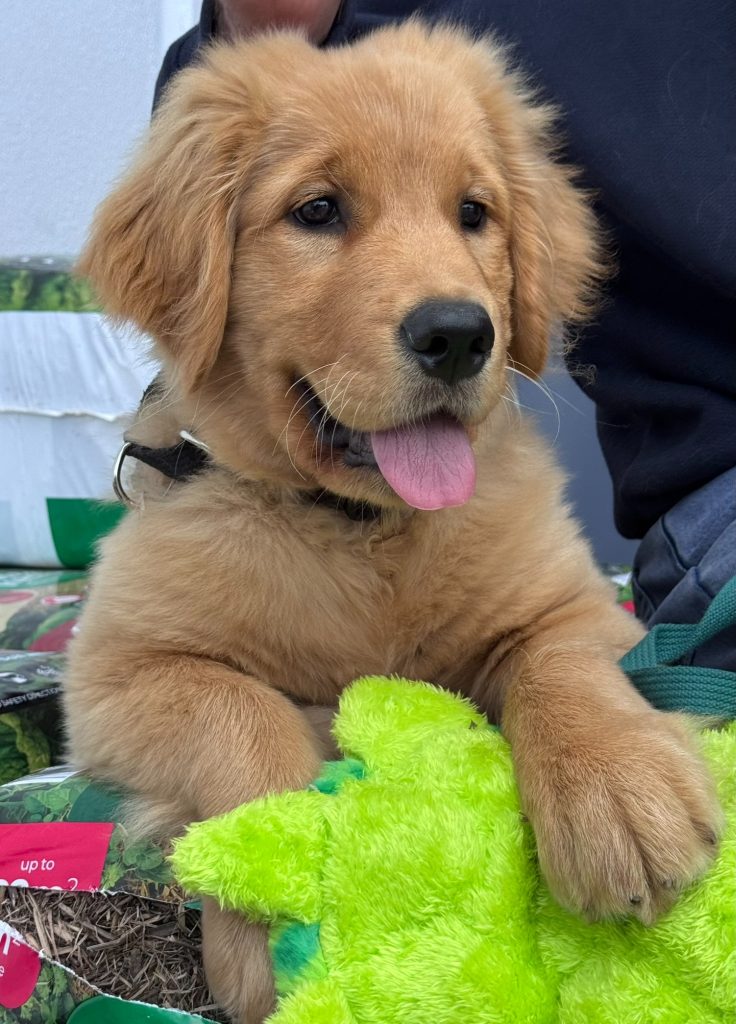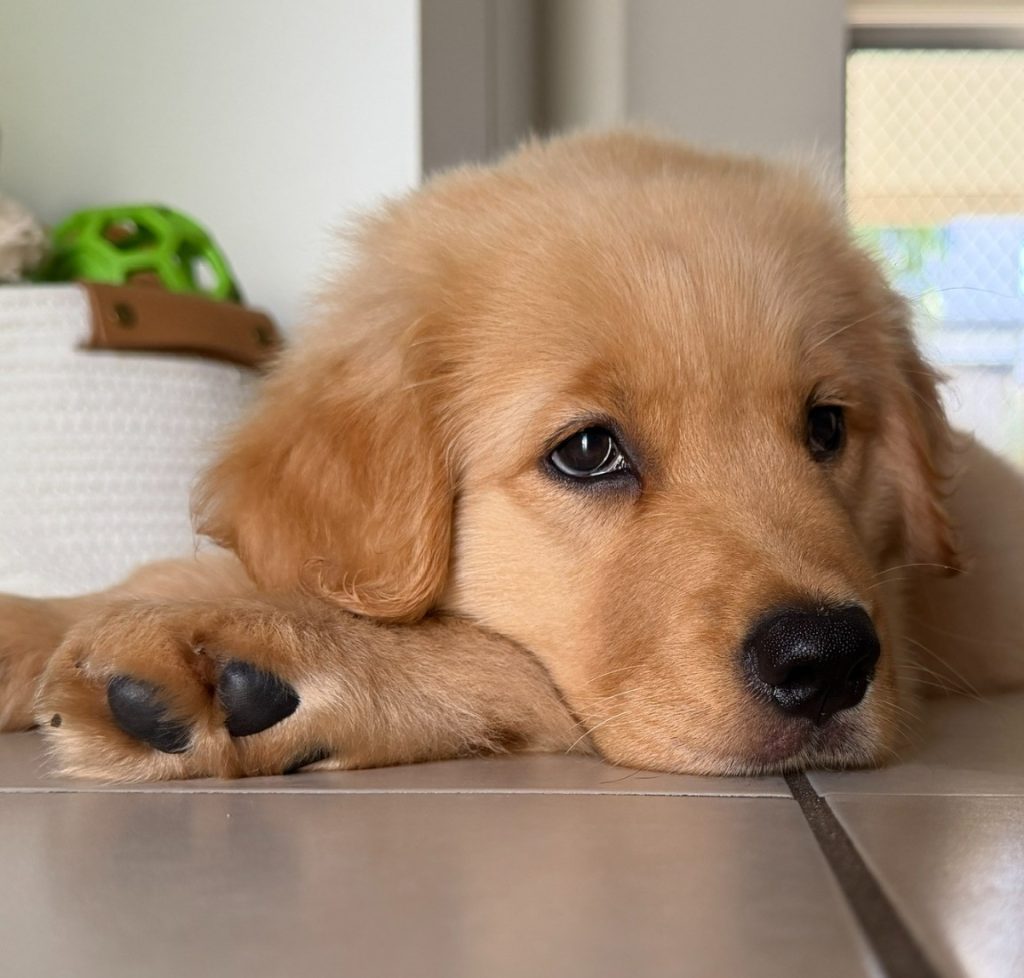

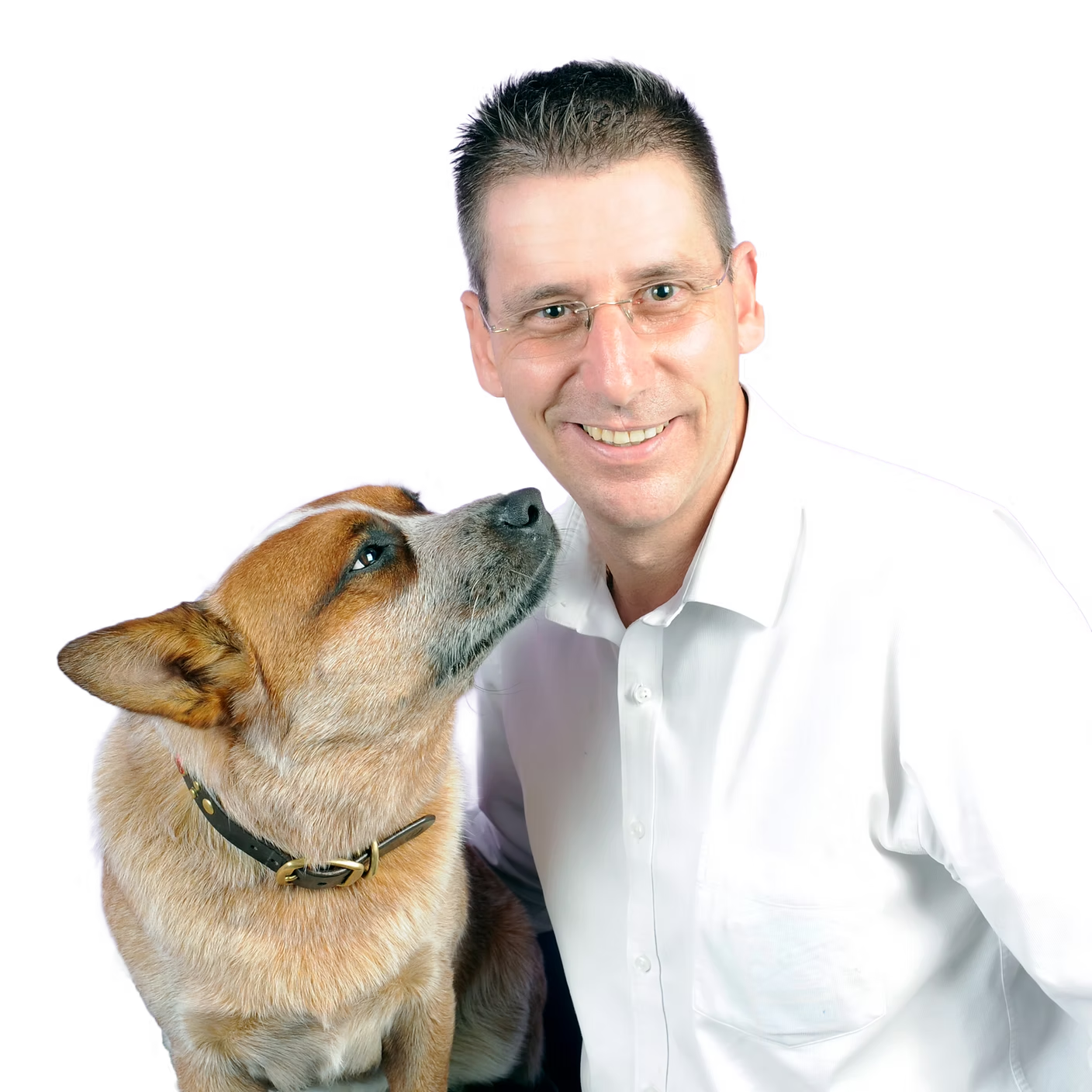
We use hugs to show affection, but a dog may find being held closely uncomfortable. That does not tell us they are trying to dominate anyone, and we should not assume that tolerating a hug means enjoying it.
Let your dog choose contact
Offer gentle interaction the dog appears to enjoy and pause to see whether they choose to continue. Do not hold them in place or pursue them when they move away. A game or time together can show affection without restraining them.
Read the whole dog
Turning away, becoming still or tense, trying to leave, lip licking or growling can be reasons to stop the interaction. A single signal needs context. Do not wait for a dog to growl or assume that warning signs will always be obvious.
Our whale-eye guide explains why an eye movement is not a diagnosis on its own.
Children need adult protection
Prevent hugging, climbing on dogs, pulling ears and close face-to-face contact. An adult must actively supervise. If you cannot supervise, separate the child and dog securely. Give dogs a resting area that children cannot enter.
Never leave a baby or young child alone with a dog, including a familiar family pet. Seek individual professional advice about any safety concern.
Further reading: RSPCA: children and dogs.