

Last updated: 9 October 2026.
Bringing a new puppy home is exciting, but a little preparation makes those first days much easier. In Part 1 of our series, we look at the equipment, safe spaces and household arrangements to organise before your puppy arrives. Part 2 covers settling in, and Part 3 explains toilet training, chewing and rest.
What to organise before your puppy arrives
Ask what food your puppy is currently eating and discuss nutrition with your vet. Having the familiar food ready gives you one less change to manage at the start. Also arrange a veterinary appointment and check vaccination and parasite prevention records.
- Food and water bowls, with fresh water always available.
- A comfortable bed and washable bedding.
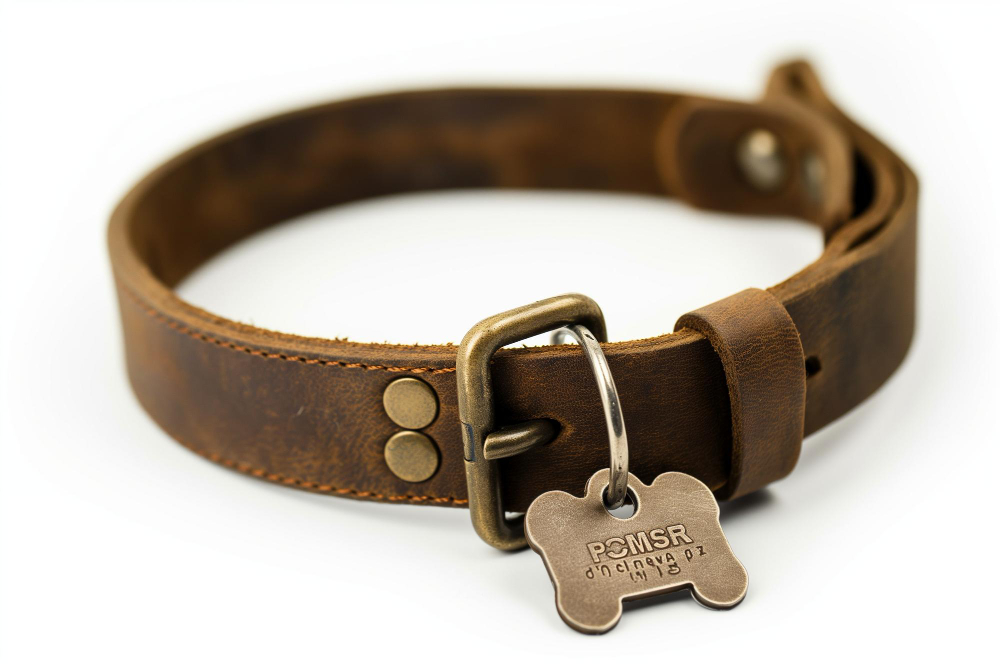
- A correctly fitted collar or harness, lead and identification tag.
- A secure, suitable restraint or carrier for the journey home.
- Puppy toys suited to their size and chewing style.
- Small training rewards that suit your puppy.
- A brush and appropriate pet accident cleaner.
- Gates or a playpen to help manage supervision and rest.
A crate is optional. If you use one, introduce it gradually with positive experiences and choose an appropriate size. It should be a comfortable resting option, never punishment or somewhere a distressed puppy is left to struggle.
Choose a comfortable sleeping area
Prepare a quiet, secure space where you can notice your puppy’s needs overnight. Keep the bed away from draughts and household traffic. Young puppies may need reassurance and toilet breaks. Read Part 2: the first nights and settling in before deciding how you will respond.
Plan the toilet area
Choose a spot you can reach quickly and consistently. An outdoor area may be convenient; a suitable indoor arrangement can help where outside access takes time, particularly in apartments. Plan for your circumstances rather than expect every family to use the same setup. Part 3 explains the toilet routine and how to manage accidents.
Make the home and yard safe
Put medicines, cleaning products, cables, small objects and anything valuable out of reach. Check fences, gates, balconies and pool barriers for gaps a puppy could get through. Check plants and garden products with your vet if you are unsure about their safety.
Supervise exploration and introduce rooms gradually. A yard does not replace companionship or supervision. Provide comfortable rest, shelter and safe arrangements whenever you cannot watch your puppy.
Agree on a household plan
Decide who manages meals, toilet trips, supervision and overnight care. Use the same cues and reward the behaviours you want to encourage. Children need active adult supervision and should leave a sleeping or eating puppy alone.
If you would like help preparing your home, our Puppy Set Up service provides individual guidance. Contact Jordan Dog Training to discuss your arrangements.
Read the puppy home series
- Part 1: Getting ready
- Part 2: The first nights and settling in
- Part 3: Toilet training, chewing and rest
Planning your first class? Read our ten puppy school tips, then check our Puppy School locations and dates.